Wokingham Borough Connect
 What is Social Care?
Gloriously Ordinary Language is a programme we've signed up to with our partners Optalis.
It's about making the words we use in social care and about people who draw on care and support, more human every day.
It isn’t about banning words, it’s about taking a second to think about the meaning of different words and see if they are daft or sometimes even hurtful to others.
Each month, councils from across the country will gather to influence one another on how they use language in social care, focusing on purpose, practice, or people.
The sessions will alternate between these areas. After each workshop, we’ll have a chat with a different participant to talk through the sessions.
This month, we had a chat with Jodie from Optalis about how the first one went.
What was the first session about?
This first session focused on purpose - how we explain what social care is, in strategies, on our website, in our leaflets and the impact our language choices can have.
We explored national examples and reflected on our own use of language locally and within organisations.
The time flew by! It was a great mix of information and discussion. It provided us with ideas for initiating local conversations, and we can reuse some of the session activities to incorporate residents’ experiences into shaping our work.
At the first gathering last month, there was a very big turnout. How was it for the first proper session?
We had a great turnout of around 30 people from across the country. It was a valuable opportunity for our Wokingham team to connect with the other four councils involved in the Gloriously Ordinary Language programme.
Collaborating with other councils will enable us to share ideas, learn from one another and address common challenges.
How would you say it went?
It went well. The main challenge now is figuring out how to share what we’re learning locally and get more people involved - ideally in person, though online helps connect us nationally.
We’re already seeing small changes, such as how Vicky, another member of the core group, is collaborating with Buckinghamshire University to help them integrate Gloriously Ordinary Language into their social work apprenticeship programme. It’s a ripple like which we’re aiming for.
When’s the next session?
It’s the first Tuesday of every month, so the next meeting is on the 3 June and this session will focus on care and support plans.
There will be six meetings in total, and the work will get done at a local level between each meeting.
By December, the aim is to share what tangible changes we’ve made. We’ll use what we learn to inform local work, improve communication and make positive changes in how we describe and deliver social care.
Find out more
If Gloriously Ordinary Language sounds interesting, stay tuned for next month’s interview. Find out more on the Gloriously Ordinary Language website for more information.
 Help us review the Learning Disability Strategy
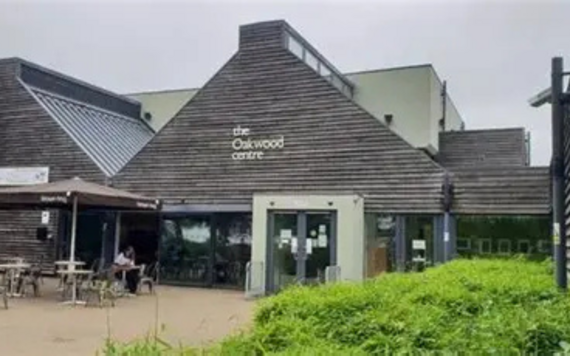
The Learning Disability Partnership are organising an event at the Oakwood Centre in Woodley on Friday 27 June.
The aim of the day is to talk about what’s been achieved from its current strategy and what you would like to see happen next.
The event will be from 10am until 2pm. There will be refreshments, but you are asked to bring your own lunch.
Places are free but please let the Learning Disability Partnership know if you plan to come along
 Community co-created art event
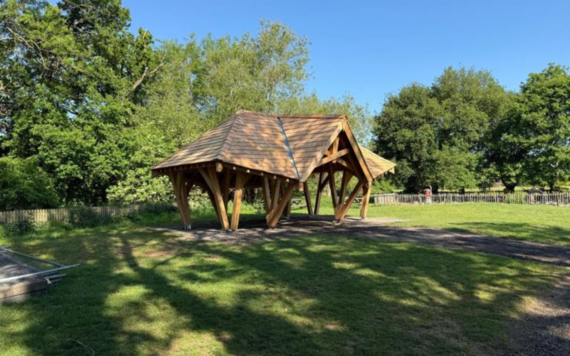
On Saturday 24 May and Sunday 25 May you can visit the Forest of Imagination at Dinton Pastures in Hurst.
Parts of the park will be transformed with new sensory installations that were co-created by professional artists and schools, including ideas from local community groups.
Activities and workshops will run both days and will be free for everyone from the borough and beyond to get involved.
This includes adventures in making, crafting and storytelling, inspired by the natural world. There’s no need to book, you can just drop in, everybody is welcome.
|