 Making simple swaps this National Vegetarian Week
Have you ever thought about going vegetarian, or reducing the amount of meat in your diet? National Vegetarian Week (1 to 7 October) is coming up and is a great way to get inspired about bringing veggies into the spotlight.
Whether you go vegetarian all week or for just one meal, it still has environmental benefits, as the production of meat contributes heavily to our carbon footprint.
National Vegetarian Week's recipes are all carbon calculated and there are lots of tips to help you get started. According to the United Nations Food and Agriculture Organisation, about 14 per cent of all emissions come from meat and dairy production. Simply reducing our intake of these two foods can make a big difference.
Beyond National Vegetarian Week, local inspiration can be found at the Wokingham Vegan Market, which is next being held in Market Place on Sunday 13 October from 11am to 3pm.
The market is held every other month, on the second Sunday and there are lots of stalls with delicious food, eco-friendly gifts, live music and children’s entertainment.
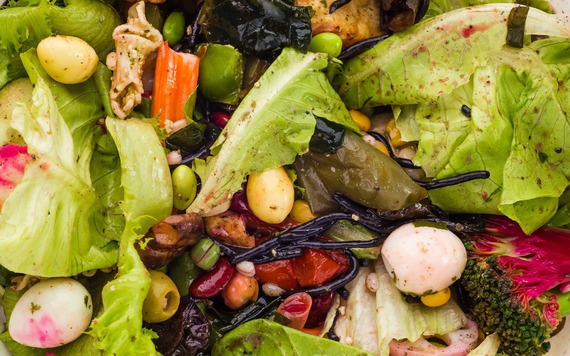 A-peel-ing to you by collecting food waste
New research by the waste reduction charity WRAP shows we are doing the right thing by having a separate weekly food waste collection.
According to its latest report, food waste collections make people more aware of what they are buying, so they throw less away in the first place.
Because food waste can be used to produce energy and make fertiliser for farmers' fields, the collections also help people to feel proud that they aren't throwing food in the rubbish unnecessarily.
When we introduced food waste collections in 2019, our overall recycling rate immediately shot up from 35 per cent to 50 per cent and it is even higher now.
However, food waste is still our biggest area for improvement. Last year, we found it made up about 20 per cent of what some people threw in the rubbish.
Food waste collections are still weekly and they can hugely reduce our environmental impact by reducing the emissions that rotting food gives off. They also keep nasty smells out of your rubbish bin, so use them as much as you can.
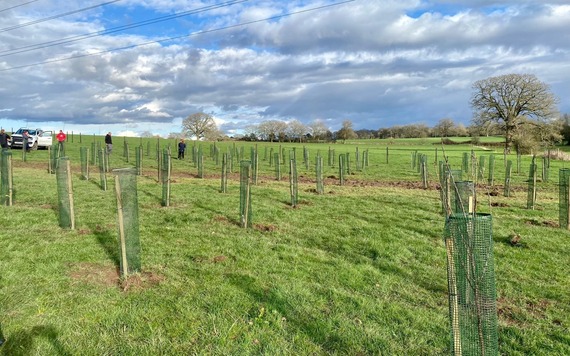 'Growing' charity is put forward for royal award
Freely Fruity has been nominated for the first King’s Award for Voluntary Service.
The charity aims to plant fruit trees in parks and other public open spaces to give people easy access to fruit at no cost.
Last year, we worked with Freely Fruity on a new tree nursery on land between Barkham and Finchampstead. The land, which sits alongside the site earmarked for our first solar farm, is being used by Freely Fruity to propagate new saplings.
In addition to the royal recognition, the charity received a Mayor's Honour Award in 2023 for planting community orchards, working with schoolchildren and helping residents to live more environmentally friendly and sustainable lives.
The winners of the King’s Award for Voluntary Service will be announced on His Majesty's birthday in November. All of the charities nominated were presented with certificates by the Lord Lieutenant of Berkshire at a ceremony held at Wokingham Town Hall.
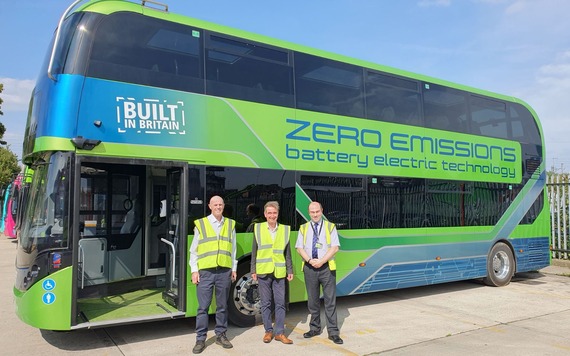 A look at the zero-emissions electric buses coming
Leader of the Council Cllr Stephen Conway and Executive Member for Active Travel, Transport and Highways Cllr Paul Fishwick had a behind the scenes look at a zero-emissions electric bus at a visit to the Reading Buses depot.
The bus is similar to a new fleet of 24 electric vehicles bought by the company following a successful bid to the Government earlier this year, which we supported.
The new buses, expected to enter our network on Route 21 in the winter of 2025/26, will support our ambition to reduce carbon emissions in the borough by providing a cleaner active travel option.
During the visit they were also given a tour by the CEO of Reading Buses Robert Williams and shown the live workings of running the bus network across the area. This included an active map of bus running times and how the fleet of buses are maintained to keep them to a high standard and safe for passengers.
Find out more about the benefits of bus and other types of sustainable travel on our My Journey webpage.
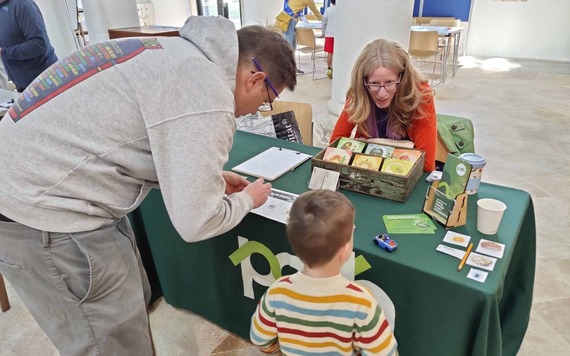 Churches hosting free community events
All Saints Church in Wokingham is hosting an Earth Fayre this Saturday (28 September) following the success of last year's inaugural event.
Come to the church from 10am to 3pm and visit the many stalls that will be taking part and there will also be a number of guest speakers, each with something important to say about the environment.
Look out as well for the set of children's activities that will be on offer, to entertain as well as inform them about the challenges we face to address the climate emergency.
It is free to attend and the café at All Saints Church will be open, serving hot drinks and cakes.
St James’ Church in Woodley is hosting an eco day on Saturday 19 October, from 2pm to 4pm. There will be stalls, workshops on nature photography, natural soap making and how to make your own bug hotel.
There will also be children's activities, such as junk modelling. Hot drinks and cakes will be on sale, along with eco-friendly products.
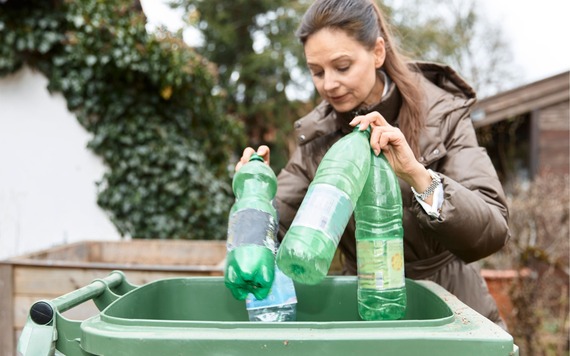 Rescue and recycle: How you can play your part
Now in its 21st year, Recycle Week (14 to 20 October) is Recycle Now’s flagship annual event.
The theme for this year is 'Rescue Me' and will focus on rescuing recyclable items and breathing new life into them, instead of just throwing them away. The campaign also aims to change the perceptions of those who do not understand the benefits of recycling.
We currently recycle 55 per cent of our household waste, an increase from 34 per cent in 2016. This puts us among the top recyclers nationally and we are thankful for everyone’s efforts to get us there, but we need to do even better to meet the Government's expectations and our own climate emergency goals.
We have lots of top tips to help you recycle on our website, where you can also book a visit to your nearest recycling centre and find out where to donate items such as clothing, technology and furniture.
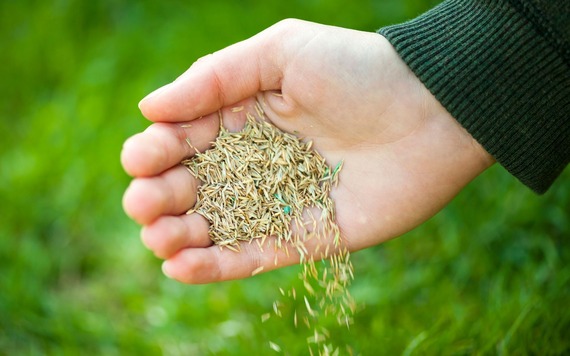 Why collecting your seeds could have major benefits
Seed gathering season typically runs from September to November in the UK, during which time many native trees, shrubs and wildflowers produce ripe seeds ready for collection.
This period is critical for the reproduction and dispersal of native plant species. By gathering seeds, we can help maintain genetic diversity, ensuring the resilience of our natural environment.
Here are some helpful tips to get you started:
As the climate emergency affects seed production and distribution, seed gathering becomes increasingly vital. By banking local seeds and propagating these plants, we safeguard against potential losses.
Different plant species mature at certain times, so it is important to monitor growth. The ideal time to collect seeds is when they are fully ripe and ready to disperse naturally.
Keeping up-to-date
|