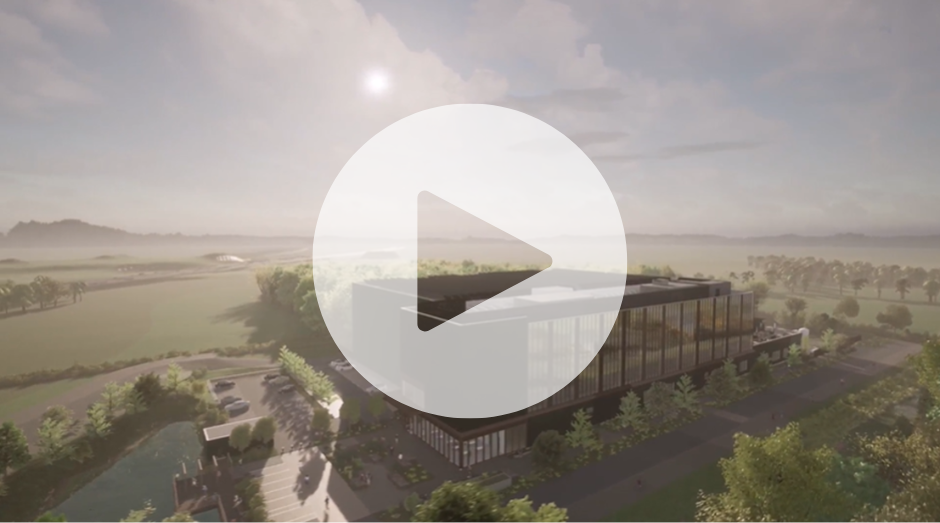
 WATCH MORE: Click the video above for a virtual tour of the planned facility
Green light for museum's high-tech research hub
We've just given planning permission for the Natural History Museum to build a new research centre and access road at Thames Valley Science Park.
This multi-million pound scheme, developed in partnership with the University of Reading, will allow some 28 million specimens from the museum's collection to be stored safely to benefit future generations.
Following our decision, building work will start early next year and should finish in 2027, with everything fully up and running by 2031.
The transfer of the specimens, accounting for one-third of the museum's collection and spanning more than four billion years, will be the largest ever move of natural historical specimens in the world.
 Supporting our shared goals for the planet
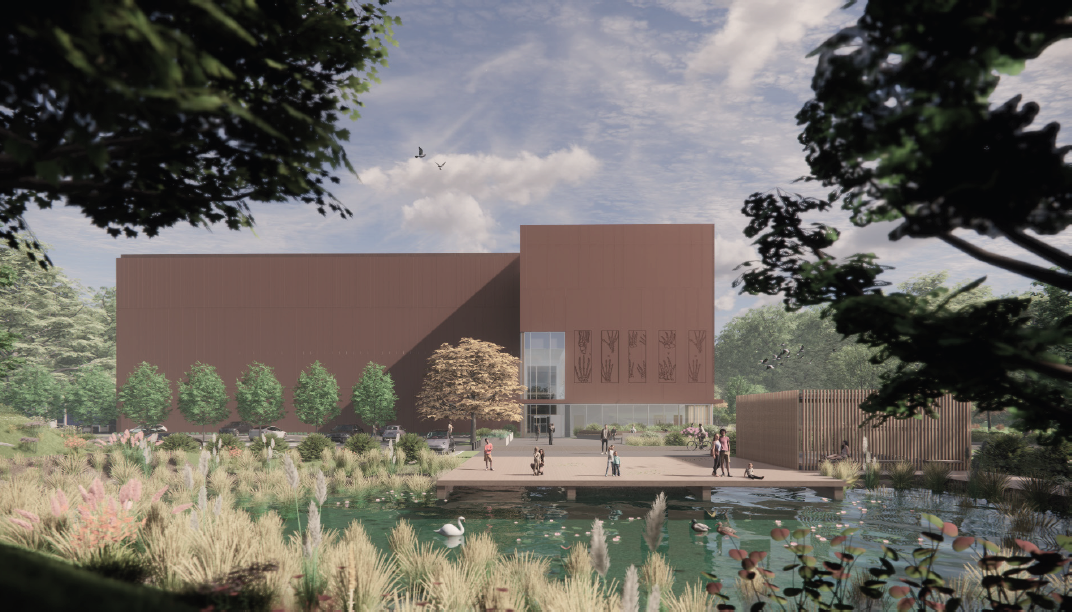
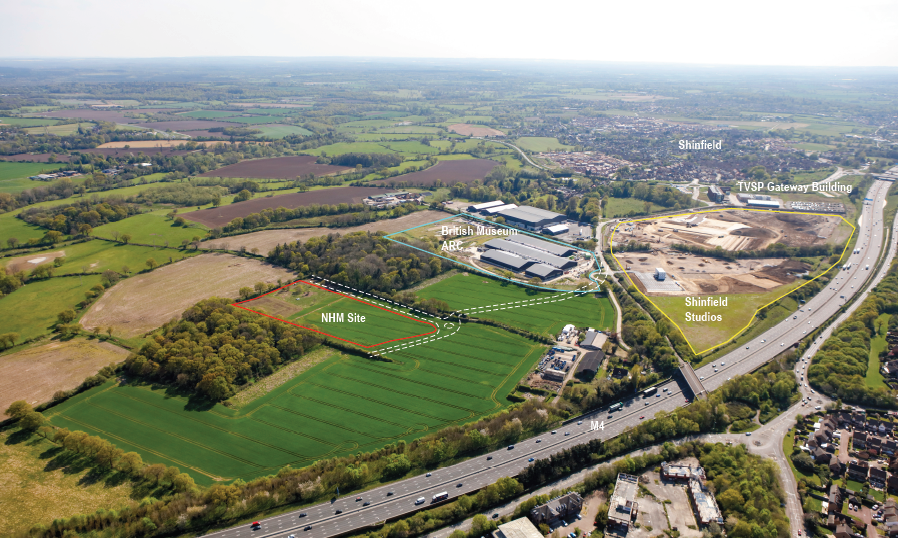
The centre, off Cutbush Lane East near Shinfield, will serve many purposes including digitising data, making it easier to share around the world and identify solutions to some of the biggest health and environmental problems we face.
This includes research into climate change, which we strongly support as we've declared a climate emergency and produced an action plan that aims to support the borough in becoming carbon neutral by 2030.
The project will be funded by the Government and was agreed following a series of public events and consultations, including our statutory consultation as part of the museum's planning application.
 A huge cross-section of Earth's natural history
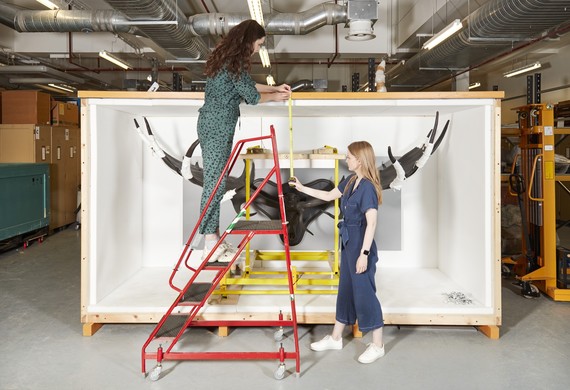
The Shinfield facility will house collections of mammals and non-insect invertebrates like corals, crustaceans, molluscs and worms, as well as fossilised mammals and invertebrates and microscopic speciments.
It'll have an imaging and analysis centre with digitisation suites, state-of-the-art molecular biology laboratories, including ancient DNA labs, cryogenic (deep freezing) facilities for tissue storage and more.
The centre will have the same footprint as about three football pitches, and the museum is aiming for net-zero carbon production both in building and running it.
Although it won't be open to the public day-to-day, the museum will involve the community in a range of activities to learn more about the research being carried out and the natural world more generally.
 Read more about it
You can see all the details of the scheme, and our unanimous decision to approve it, on our website - or read an easy-to-digest summary of the benefits in a previous edition of this newsletter.
Don't forget: The British Museum also has planning permission for an archaeological research centre at Thames Valley Science Park, and work on moving items across from its other sites is progressing well.
Our thanks to the Natural History Museum and its trustees for the above images.
 Stay in the know!
Don't forget that we've got loads of other newsletters on topics from Rubbish & Recycling and Traffic & Travel to What's On, Countryside, Libraries and more.
We also publish our most important announcements twice a week in our increasingly popular Residents' Round-Up bulletin - so be sure to sign up!
Some of these newsletters will be published less frequently in the run-up to the elections on 2 May, because of rules on how we communication with you in this period, but will return to a normal schedule after then.
|