|
Food waste has a big environmental impact. If we waste less food, we not only save the planet, but also money. In this issue, learn more about food waste recycling and why it matters.
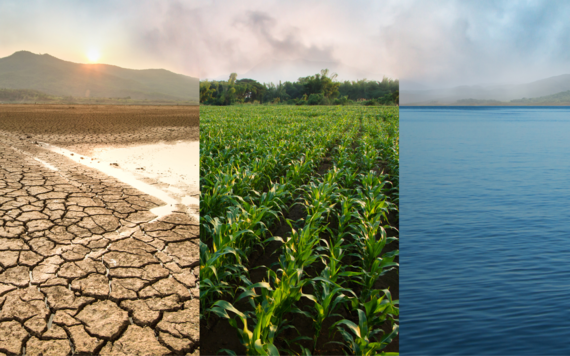 Huge contributor to climate change
Each stage in the lifecycle of the food we eat draws resources from our planet and produces greenhouse gas emissions, therefore contributing to climate change.
The journey starts from ploughing a field ready to plant crops, growing and processing our food, getting it to shops and then our doors, and finally to us preparing our meals and throwing any food waste away.
A study by WRAP in 2021, a climate action non-governmental organisation, shows how food waste feeds climate change:
- The UK produces 9.5 million tonnes of food waste a year, equivalent to 25 million tonnes of carbon emissions (or a third of all cars on UK roads in 2018).
- Households produce 70 per cent of total UK food waste (6.6 million tonnes), even though 4.5 million tonnes of this could have been eaten.
- The amount of edible food waste is worth over £14 billion a year (or £700 for an average family with children), and equivalent to 200 million tonnes of carbon emissions.
- Food waste is back to its pre-pandemic level in 2018.
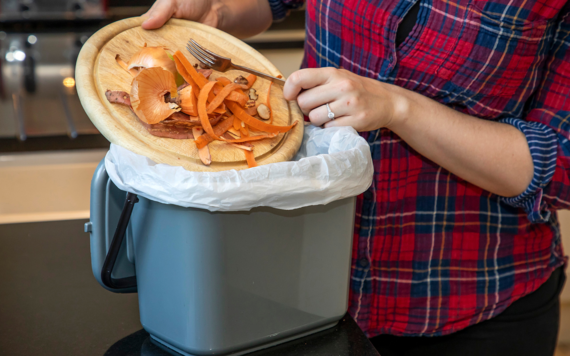 What can be put in your food waste caddy
We know some food waste like banana skins, orange peels, bones and tea bags is inevitable. If you don't compost at home, put it in your food waste caddy so that it can be turned in to energy to power homes and fertiliser for farmers' fields.
A lot of kitchen scraps and unwanted or uneaten food items can be put in your food waste caddy, including:
- All meat and fish - raw, cooked and bones
- Dairy - cheese, yoghurt and eggs including shells
- Tea bags and coffee grounds
- Fruit and vegetables - including peelings, banana skins and apple cores
- Rice, pasta and beans
- Pet food
- Bread and pastries, even if it's mouldy
- Out of date food - not in its packaging
- Cooking oil
Please don't put in:
Did you know?
 |
|
How can I recycle used cooking oil?
You can recycle cooking oil and fat like other food waste. Just let it cool, pour it into a used plastic bottle, put the lid on it and put it out in your outdoor food waste container.
|
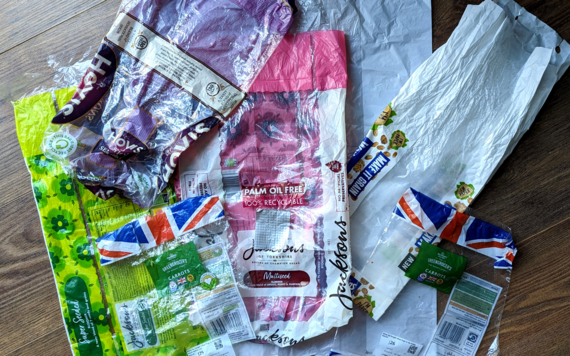 What's the best way to line your food waste caddy
The answer is: whatever way works best for you!
There are a few things that may help you decide what’s best for you:
- Even if you don't use a liner for your food waste, it will still be collected.
- You can use any type of liner. The best choice is to re-use unwanted bags you happen to have at home. Compostable liners or paper bags are also a good choice.
- All bags or liners, including compostable ones, will be removed before the food waste inside is processed at the recycling plant.
How are caddy liners removed?
Our food waste is sent to an anaerobic digestion plant in Oxfordshire, where it is recycled.
At the plant, food waste will first be put through a de-packaging process to remove all liners. The liners extracted are then sent to an 'energy from waste' facility, where they will be incinerated to create electricity.
Watch this video to find out more about how food waste is recycled, especially how caddy liners are removed during the process.
Next issue....
In the next issue, we will talk about how to reduce food waste at home in the run up to Food Waste Action Week. Stay tuned!
Led by WRAP, the Food Waste Action Week will take place from 6 to 12 March. It is a nationwide campaign to encourage food waste reduction.
|