One of the key messages of the ICON programme is that infant crying is normal. Crying is a natural part of a baby's development and one of the primary ways babies communicate with those caring for them. Although it can be distressing for parents and carers, understanding that crying is normal can help reduce anxiety and increase confidence.
What This Means for Practitioners
Professionals are often well placed to reassure families that crying is a normal developmental behaviour.
Parents frequently worry that they are doing something wrong when their baby cries for extended periods. By providing reassurance and evidence-based information, practitioners can help challenge feelings of guilt, reduce anxiety and encourage healthy coping strategies.
When discussing infant crying with families, professionals should reinforce that:
All babies cry.
Some babies cry more than others.
Sometimes there is no obvious cause for crying.
Crying will not last forever.
Support is available when needed.
Using every contact to normalise infant crying can help build resilience and reduce the risk of parents becoming overwhelmed.
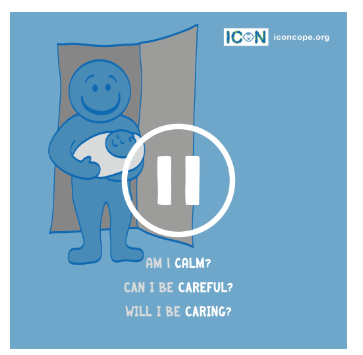
When your baby is crying, it can be easy to react quickly, particularly if you are feeling tired, frustrated or overwhelmed. Encourage parents and carers to pause at the door before entering their baby's room and take a moment to check how they are feeling.
Before going in, ask yourself the 3 Cs:
Can I be careful?
Am I calm?
Will I be caring?
Taking a few seconds to reflect can help parents make sure they are ready to respond safely and positively to their baby. If the answer to any of these questions is "no", it may be a sign to take a few minutes to calm down first, ask someone for support, or use a coping strategy before returning to their baby.
Remind parents that crying can be stressful for everyone, but pausing, taking a breath and checking the 3 Cs can help them respond safely and confidently.