|
|
Having trouble viewing this email? View it as a Web page.

Farm Safety Week: Monday 20 July - Sunday 26 July
Farming is more than a job — it’s a way of life. It brings long hours, physical work, uncertainty, and pressures that can change from day to day. Weather, finances, workload and isolation are all part of farming, and they can affect anyone at different times.
Looking after mental health is an important part of staying safe on the farm. When people are supported and able to take care of themselves, it helps create a safer environment for everyone — including children.
The demands of farming can sometimes make it harder to switch off, rest, or take a break.
During busy or pressured periods, it’s natural for:
-
decision-making to feel more difficult
This isn’t about individuals — it’s about recognising how the realities of farming can affect how work is carried out.
Taking mental wellbeing seriously is part of taking safety seriously.

Life in rural communities can bring unique challenges. Working long hours, spending time alone, and having limited access to services can all add up.
These pressures are widely recognised across the farming community. Talking about them openly helps reduce stigma and reminds people they are not alone.
Organisations like the Farm Safety Foundation (Yellow Wellies) highlight that looking after mental health is just as important as managing physical risks on farm.
|
A safe farm is not just about equipment and processes — it’s also about people feeling supported.
Simple steps can make a difference:
-
taking breaks where possible
-
sharing workload during busy periods
-
keeping in touch with others
-
checking in with friends, neighbours or family
Small conversations can help reduce pressure and support better decision-making on farm.
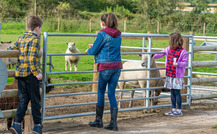
Farms are busy and ever-changing environments, and children are naturally curious about what’s going on around them.
During times when workloads increase or routines change, it can become more challenging to keep track of everything happening at once. Planning ahead — especially during busy seasons — helps make sure children are in safe spaces and away from hazards.
Safer systems support everyone on the farm.
|
Farming is a community, and looking out for one another is part of staying safe.
If someone seems under pressure or not quite themselves, a simple check-in or conversation can make a difference. There’s no need to have all the answers, listening and encouraging someone to reach out for support is a powerful step.
Creating an open, supportive culture helps reduce risk and supports wellbeing across the whole farm.
A safer farm environment is one where:
-
wellbeing is recognised as part of safety
-
pressures are acknowledged and talked about
-
people feel supported, not judged
-
children are kept safe through clear boundaries and planning
Safety grows from a culture where people look after themselves and each other.

Despite taking every precaution, accidents can still occur. In an emergency, it is important to stay calm and put your own safety first.
If you arrive at the scene of an incident:
-
Assess what has happened before taking action.
-
Put your safety first and do not rush into danger.
-
Follow SAFE STOP where machinery is involved:
-
Put controls into neutral
-
Move livestock away from the area where it is safe to do so.
-
Never enter hazardous environments such as slurry pits, grain stores, silos, or animal pens if doing so would put you at risk.
Make the call
Call 999 (or 112) immediately for serious incidents.
When speaking to emergency services:
-
Clearly explain what has happened.
-
State how many casualties are involved.
-
Give your exact location.
-
Use the words "farm accident" so emergency services understand that specialist resources may be required.
-
If the incident involves slurry, chemicals, livestock, or machinery, make this clear from the outset.
Know your location
The What3Words app can help emergency services locate remote farm locations quickly by providing a precise three-word reference for a 3m x 3m square.
One change could save a life
Farm Safety Week encourages everyone to identify one practical change they can make to improve safety on their farm. Whether it is securing a ladder, fencing off a hazard, revisiting emergency plans, or creating safer play areas for children, small changes can prevent serious accidents.
|
|
|
|
|