|
Having trouble viewing this email? View it as a Web page.

Farm Safety Week: Monday 20 July - Sunday 26 July
Some of the most dangerous hazards on farms are not always obvious. Unlike moving machinery or livestock, risks such as slurry gas, water hazards, and chemicals can be silent, unseen, and extremely fast-acting.
Children are particularly vulnerable because they are less able to recognise danger and may be naturally drawn to explore unfamiliar areas. These hazards can appear harmless but can cause serious injury or death within seconds.
The guidance highlights that many of these risks are underestimated, despite being among the most dangerous on the farm.
Today’s briefing focuses on slurry, water, and chemical safety, helping to raise awareness of these hidden dangers and the actions needed to keep children safe.
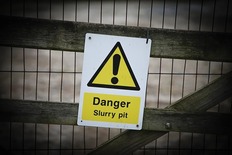
Slurry poses one of the most significant risks on farms, not just because of drowning, but because of the gases it releases.
Slurry gas contains toxic elements such as hydrogen sulphide, which can be fatal very quickly. At higher concentrations, it cannot be smelled, making it particularly dangerous. Guidance highlights that “one breath can kill”, demonstrating how quickly exposure can become life-threatening.
Slurry gases are most dangerous during mixing but can still pose a risk at other times, especially in enclosed or poorly ventilated areas.
Slurry storage and access
Slurry pits, lagoons, and tanks are often present on farms and can be both a gas and drowning hazard.
These areas must always be treated as high risk. Children may be attracted to them out of curiosity, particularly if access points are visible or unsecured.
The guidance emphasises the importance of:
-
Secure fencing and locked gates
-
Covering or protecting access points
-
Removing ladders or anything that could allow climbing
These simple controls help prevent children from accessing extremely dangerous areas.
|
Water hazards, including ponds, tanks, and troughs, are another significant risk. They are often found in everyday farm environments and may not appear dangerous to a child.
However, these areas can be difficult to escape from, and rescue can be challenging even for adults. Slippery edges, deep water, and poor visibility all increase the risk of drowning.
Children may be drawn to water out of curiosity or play, which makes supervision and restricted access essential.
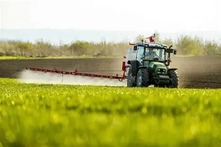
Farms use a range of chemicals, including pesticides, fuels, fertilisers, and veterinary medicines. These substances can be highly toxic and pose serious risks if ingested, inhaled, or handled incorrectly.
The guidance is clear that all harmful substances must be locked away and stored securely, with no access for children.
Children do not recognise chemical hazards and may be attracted to containers, colours, or unfamiliar objects, increasing the risk of accidental exposure.
|
Children are naturally curious and may attempt to explore areas that seem interesting or unusual. Slurry tanks, water, and stored chemicals can all attract attention, but children lack the experience to understand the consequences.
Unlike adults, they may not recognise warning signs, hazard labels, or unsafe conditions. This makes adult supervision and control the most important protective factor.
AgriKids reinforces that while education is important, helping children understand risk, it must always be supported by safe environments and adult responsibility.
Preventing access is the most effective way to manage these hazards. This includes securing dangerous areas, storing substances safely, and maintaining clear boundaries between work and home environments.
Regularly reviewing the farm from a child’s perspective can help identify risks that may otherwise be overlooked.
|