|
Having trouble viewing this email? View it as a Web page.

Farm Safety Week: Monday 20 July - Sunday 26 July
DAY 1 – Farmyard Safety
Cumbria is one of the most rural counties in England, with farming playing a central role in both its economy and community life. Over 12,000 people are directly employed in farming across the county, with thousands more supported through related industries and supply chains. Farms are not only workplaces, but also family homes, meaning children often grow up surrounded by working environments that carry significant risk. This unique overlap between home and workplace is what makes farm safety, particularly for children, so critically important in areas like Cumbria
Despite its importance, agriculture remains the most dangerous industry in the UK. It employs around 1% of the workforce but accounts for approximately 20% of all workplace fatalities. In 2023/24 alone, 27 people lost their lives on farms in Great Britain, including members of the public and children.
Tragically, children continue to be among those killed or seriously injured in farm incidents, often as a result of everyday activities in farmyards that can quickly turn hazardous.
With the support of Cumbria Young Farmers Club, Westmorland and Furness Safeguarding Children Partnership is supporting Yellow Wellies Farm Safety Week with a series of five briefings, each highlighting key risks on farms and the practical steps that can be taken to keep children safe.
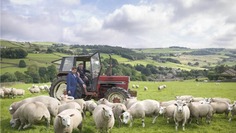
Farmyard risks
Farmyards are busy, unpredictable environments. Children are naturally curious and are often drawn towards vehicles, animals, and activity, without understanding the risks.
Children are particularly vulnerable because they are smaller, less visible, and more likely to enter dangerous areas unnoticed. This is especially true around moving vehicles and machinery.
In addition to obvious hazards, there are less visible or underestimated dangers such as slurry pits, heavy objects, grain storage areas, and electrical risks.
|
Other farmyard hazards – grain storage and bales
Other common features of farmyards can also present serious risks to children, particularly where access is unrestricted and supervision is limited.
Grain storage (towers, silos and bins)
Grain stores may appear harmless from the outside, but they pose a significant and often overlooked danger. Loose grain behaves like a liquid, meaning that if a child enters or falls into stored grain, they can quickly become trapped and suffocated. Although these incidents are rare, they are often fatal and extremely difficult to respond to in time.
Children may be attracted to grain stores out of curiosity, especially if ladders or access points are visible.
-
Keep grain stores securely locked and inaccessible
-
Remove or restrict access to ladders and entry points
-
Never allow children to play in or around grain storage areas

Bales and stacked materials – crush injuries and climbing risks
Large bales and other stacked materials, including fertiliser bags and pallets, can pose a serious crush hazard if they become unstable or fall.
Round bales, stacked silage, and bulk fertiliser bags can all weigh hundreds of kilograms. If stacked incorrectly, stored on uneven ground, or disturbed, they can shift or collapse without warning.
Children are naturally drawn to climb, and stacked materials can appear to be safe play structures. However, if bales or stacked bags move or fall, they can cause severe or fatal injuries. Tragically, fatal incidents have occurred where falling bales or heavy stacked materials have crushed individuals.
In addition to the risk of crushing, fertiliser products may also pose a health risk if handled or exposed, particularly for children who may not understand the hazards.
-
Store bales, fertiliser bags, and other materials securely and avoid unstable stacking
-
Keep stacked materials away from areas accessible to children
-
Regularly check stacks for movement, damage, or instability
-
Ensure fertiliser and other substances are stored in designated, secure areas
-
Make clear to children that stacked materials are not safe to climb
|
Falls from Height – an often-overlooked risk
Falls from height remain a significant cause of serious injury and death in agriculture. Farms contain many areas where children may be tempted to climb, including hay and straw bales, trailers, lofts, ladders, gates, drystone walls, silos, and machinery. What may appear to be a play area or viewpoint can quickly become dangerous if a child slips, loses balance, or a structure gives way.
Children are naturally curious and may not recognise the risks associated with climbing or working at height. Even a fall from a relatively low height can result in serious injury.
-
Do not allow children to play on bales, trailers, machinery, roofs, silos, or storage structures.
-
Remove or secure ladders when not in use.
-
Restrict access to lofts, elevated work areas, and storage buildings.
-
Regularly inspect platforms, railings, gates, and other structures for damage or instability.
-
Ensure children are supervised and kept away from work areas where tasks at height are taking place.
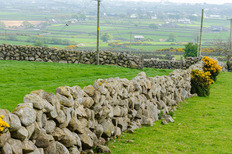
Drystone walls – collapse and climbing hazards
Drystone walls are a familiar feature of the Cumbrian landscape but can present a hidden risk, particularly where they are old, damaged, or poorly maintained.
Walls can become unstable over time, especially if stones are loose or have been disturbed. Climbing or sitting on drystone walls can cause sections to collapse, potentially leading to crush injuries or falls onto hard or uneven ground.
Children may view walls as play features or vantage points, without recognising their instability.
-
Discourage children from climbing or playing on drystone walls
-
Regularly check walls near homes and yards for loose or unstable sections
-
Repair damage promptly to maintain stability
-
Avoid storing materials against walls in a way that could weaken them
|
Creating safer farmyards
The most effective control is separation. Children should be kept away from all working areas, particularly during busy periods. Providing a safe, fenced play area close to the home can significantly reduce risk.
A tidy and well-maintained yard also reduces hazards such as trips, falls, falling objects, and unstable stacked materials.
Children should never be in farm work areas unsupervised.
Useful links:
For further advice and practical resources on keeping children safe on farms, visit:
|