|
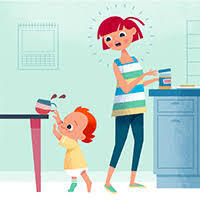
Burns and scalds are one of the most common causes of hospital admission in young children. Hot drinks, cooking, bath water, and seasonal risks such as BBQs and sun exposure can all cause serious injury, often in seconds.
Questions to explore with families:
- Where are hot drinks placed around children?
- How is bath temperature checked?
- Can children reach kettles, pans or hot surfaces?
- Is supervision adequate during cooking or meal preparation?
- During BBQs, are hot surfaces, coals and equipment kept out of reach?
- How are children protected from sunburn (e.g. shade, clothing, sunscreen)?
Cool, Call, Cover – Cool the burn under cold running water for 20 minutes, call for medical advice if needed, and cover with cling film or a clean dressing.
Watch: Burns safety made simple
|
|
 |
 |
|
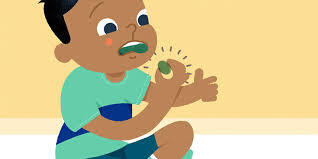
Small coin (button) batteries can cause severe internal burns or death if swallowed, particularly if they become lodged in a child’s throat. This is a medical emergency and requires immediate action.
Questions to explore with families:
- Are devices containing button batteries kept out of reach of children?
- Are spare and used batteries stored safely and disposed of promptly?
- Are carers aware of the urgency and what to do if ingestion is suspected?
If a child may have swallowed a button battery, seek emergency medical help immediately (do not wait for symptoms).
Resources:
BB-display-poster-a4.pdf
Watch: Dangers of Button Batteries | Video
|
|
Choking can happen quickly and silently, particularly in babies and young children whose airways are small and easily blocked. Food and small objects are common causes, and young children are at increased risk as they explore by putting things in their mouths.
Questions to explore with families:
- Are small objects (e.g. toys, coins, balloons) kept out of reach of young children?
- Are foods prepared safely (e.g. cutting grapes, tomatoes and similar foods lengthways)?
- Are children supervised and encouraged to sit still while eating?
- Are age-inappropriate foods (e.g. whole nuts, hard sweets) avoided?
- Are carers confident in what to do if a child starts choking?
Reduce risk by supervising children when eating, preparing food safely, and keeping small objects out of reach.
A choking child may be silent and unable to breathe—act quickly: give back blows and seek emergency help if needed.
choking_factsheet_2024.pdf
|
|
 |
 |
|
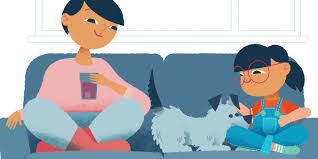
Any dog can bite if it feels threatened or anxious. Incidents often involve familiar dogs and young children, particularly where supervision or understanding of safe behaviour may be limited.
Questions to explore with families:
- Are children supervised around dogs at all times?
- Do children understand how to behave safely around dogs (e.g. not approaching when eating or sleeping)?
- Are there clear boundaries between children and pets (such as feeding areas, toys, and sleeping spaces)?
- How are adults supporting safe interactions between children and dogs?
Never leave young children alone with a dog, and support children to learn calm, respectful behaviour around animals.
Resources:
Dog-Safety-Trigger-Times-Poster.pdf
Child-safety-around-dogs-fact-sheet-2023.pdf
|
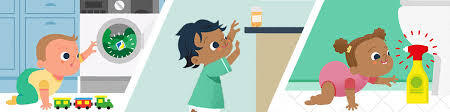 Medicines, cleaning products, and everyday household substances pose a significant risk to young children, particularly when they are easily accessible.
Questions to explore with families:
- Are medicines stored safely and out of reach or locked away?
- Are household chemicals or cleaning products accessible to children?
- Are products kept in their original containers with labels intact?
- Are carers aware of risks from everyday items (e.g. vapes, alcohol, or cosmetics)?
Keep all medicines and hazardous products locked away and out of sight, and seek urgent medical advice if a child may have swallowed or been exposed to something harmful.
Poisoning-fact-sheet.pdf
|
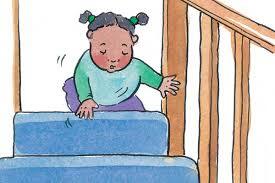
Falls are a leading cause of injury in children, particularly as babies and toddlers develop mobility and begin to explore their environment.
Questions to explore with families:
- Are babies ever left unattended on beds, sofas, or changing tables?
- Are safety measures such as stair gates or window restrictors in place where needed?
- Does the home environment present trip, slip, or fall hazards (e.g. clutter, unsecured furniture)?
- Is supervision appropriate to the child’s age, stage, and level of independence?
Many falls can be prevented through close supervision and simple safety measures in the home, particularly as children become more mobile.
falls_factsheet_2024.pdf
|
|
 |
 |
|
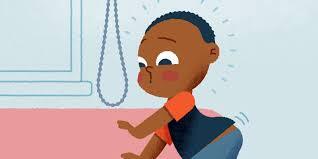
Hazards such as blind cords, chains, and everyday items like nappy sacks can cause fatal strangulation or suffocation very quickly, particularly in babies and young children. These incidents can happen in seconds and often occur in familiar home environments.
Questions to explore with families:
- Are blind cords and chains secured safely out of reach of children?
- Are cots, beds, and furniture positioned well away from windows and cords?
- Are nappy sacks kept out of reach and disposed of safely after use?
- Are carers aware of how quickly strangulation or suffocation incidents can occur?
Keep blind cords secured and out of reach, position furniture away from hazards, and ensure items such as nappy sacks are stored and disposed of safely to reduce risk.
Resources:
a4-nappy-sacks-poster-2024.pdf
a4-blind-cord-poster-2024-2.pdf
250403_BreatheEasyFactSheet.pdf
|
|
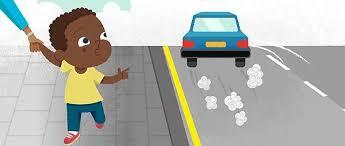
As children become more mobile and independent, their exposure to road risks increases. Young children may not recognise danger or judge speed and distance, making supervision and early learning essential.
Questions to explore with families:
- How are children supervised near roads, driveways, and car parks?
- Are road safety behaviours being taught and regularly reinforced?
- Are age-appropriate boundaries in place for outdoor play (e.g. where children can go independently)?
- Are adults modelling safe behaviours (e.g. safe crossing, use of pavements, car seat/seatbelt use)?
Children need active supervision and repeated learning to stay safe around roads, and adults play a key role in modelling safe behaviours.
250403_SafeAroundRoadsFactSheet.pdf
Road-Safety-Green-Cross-Code-Poster.pdf
|
|
 |
- Use every contact to have brief, purposeful safety conversations
- Ask open, practical questions to understand the child’s environment
- Share clear, consistent safety messages with families
- Be professionally curious where risks are visible or persistent
- Consider injury risk within wider safeguarding and neglect contexts
- Record and share concerns when patterns or repeated risks emerge
Consistent, small interventions can significantly reduce harm.
Think Safeguarding
- Are there repeated or unexplained injuries?
- Does the home environment increase risk of harm?
- Is advice being understood and implemented?
- Are wider vulnerabilities impacting safety?
CAPT offers a wide range of free downloadable resources to help families, settings, and practitioners participate in Child Safety Week:
-
-
Parent Pack: Bite-sized facts and safety tips on main accident risks, including button battery safety, dog safety, and road safety Parents-pack-2026.pdf
-
Activity Sheets and Lesson Plans: Designed for children and parents to learn safety skills together
-
Display Materials: Posters, flyers, and session plans for schools and community settings (some are linked in the relevant sections above)
-
Videos and Webinars: Short clips and full replays to educate and engage
-
Social Media Assets: Ready-to-share posts to spread awareness
|