|
|
Having trouble viewing this email? View it as a Web page.

Drowning Prevention Week
Day 4 focuses on keeping safe when taking part in water activities.
Outdoor activities are popular across Cumbria, but preparation matters.
Remember, natural water, including lakes, rivers, becks and reservoirs, can appear calm, clear and inviting, but conditions beneath the surface or within moving water can create powerful and unpredictable risks. These hidden forces mean that even confident swimmers can quickly lose control.
- Plan before you enter the water
- Wear buoyancy – it saves lives
- Never go alone
|
|
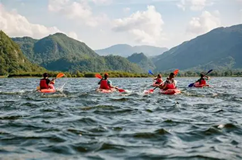
Check weather, wind and temperature
Check the weather forecast before you set out. If the water is too choppy, it may be difficult, especially for beginners. Be aware that conditions can change quickly. If in doubt, don’t go out.
Wear suitable clothing for the time of year
In winter, wear a wetsuit or dry suit. In summer, although it may feel warm, the water is often still very cold. If you fall in unexpectedly, you may experience cold water shock, so consider wearing a wetsuit.
Wear tow floats or buoyancy aids
You should wear a suitable personal flotation device, such as a buoyancy aid or life jacket. Choose one that allows plenty of movement so you can paddle freely. Not only will it keep you afloat, it will also give you time to recover if you fall in — and chances are you will.
Avoid alcohol
Alcohol can seriously impair judgement and reaction time, significantly increasing the risk of drowning.
Tell someone where you are going
Make sure someone knows where you are going and what time you expect to be back. Use what3words to identify your location
|
|
|
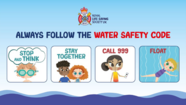
Phone, Float, Throw
- Call 999 for help
- Tell them to stay calm and float on their back
- Throw them something that floats until emergency services arrive
- Do not enter the water yourself
|
|
 |
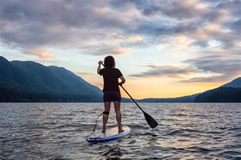
Wear the right leash for the location
Straight leashes should only be used in surf. Elsewhere, use a coiled leash.
Go with a friend if possible
It’s safer, and they can help if you get into difficulty.
Carry a phone in a waterproof pouch
Keep your phone on you (e.g. in a buoyancy aid pocket or around your neck) so you can access it quickly in an emergency.
Tell someone where you are going
Make sure someone knows your plans and expected return time.
Avoid offshore winds
These can quickly blow your paddleboard away from shore, making it difficult and exhausting to return.
Get appropriate training
A few lessons can help you develop the right technique and confidence.
|
- Open the app and wait a few seconds for your location to settle
- Your three-word location will display at the bottom of the screen
- Read the three words to emergency services
Many organised water activity groups such as swimming/rowing/canoeing clubs around Cumbria, follow strong safety rules — copying others without experience, increases risk.
|
|
|
|