|
|
Having trouble viewing this email? View it as a Web page.

Drowning Prevention Week
Day 3 focuses on the hidden dangers within open water environments that are often not visible from the surface.
Natural water, including lakes, rivers, becks and reservoirs, can appear calm, clear and inviting, but conditions beneath the surface or within moving water can create powerful and unpredictable risks. These hidden forces mean that even confident swimmers can quickly lose control.
Understanding what cannot be seen, and how water behaves, is key to preventing incidents.
- Never jump into open water
- Avoid waterfalls and weirs completely
- Cold water + currents can overwhelm even strong swimmers
|
|
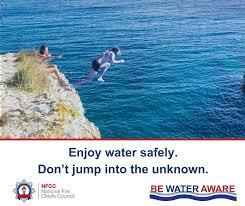
Entering open water from height — including rocks, bridges or ledges — exposes individuals to hazards that may not be visible beforehand.
Key hidden dangers:
- Unknown depth – water levels vary and may be shallower than expected
- Submerged objects – rocks, debris or infrastructure
- Cold water immersion – sudden entry increases the impact of cold water shock
- Disorientation on entry – making it difficult to orientate or swim
Hazards beneath the surface are often not visible and can change, making it unsafe to assume water is deep or clear.
|
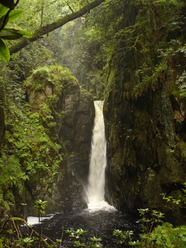
These environments contain some of the most dangerous hidden water conditions.
Waterfalls & Weirs have:
- Recirculating currents (hydraulics) which can trap people underwater
- White water (bubbles) reduce buoyancy, making it harder to stay afloat
- Strong downward and circulating flows which are often invisible can push people under
- Slippery rocks and limited escape routes which increase danger
Reservoirs present unique and often misunderstood risks:
- Extremely cold water due to depth and limited warming
- Steep sides and deep drop-offs, making exit difficult
- Hidden structures such as intake pipes, machinery and underwater currents
- Sudden changes in depth close to the edge
Reservoirs may appear calm, but they are engineered environments with hidden hazards and are not safe for swimming.
|
Across Cumbria’s water environments:
- Water may appear still but contain underlying currents
- Rivers and becks can become fast flowing quickly after rainfall
- Wind can create movement and drift on lakes and reservoirs
- Sudden depth changes (“underwater shelves”) can lead to loss of footing
These hidden elements can quickly lead to loss of stability, control and orientation.
|
- Do not jump into open water unless it is a managed, supervised environment
- Avoid waterfalls, weirs and reservoirs entirely
- Be aware that:
- Natural water is unpredictable
- Hazards are often hidden below the surface
- Safe exit is not always possible
Cumbria Fire & Rescue – Water Safety: https://www.cumbriafire.gov.uk/water-safety
RNLI – Water Safety - https://rnli.org/safety
RNLI Open Water Swimming Safety RNLI Open Water Swimming Safety Advice And Tips
RLSS UK – Drowning Prevention Week - https://www.rlss.org.uk/pages/category/drowning-prevention-week-campaign
Outdoor Swimming Society – Understanding Waterfalls - Understanding Waterfalls – Outdoor Swimming Society Outdoor Swimming Society
|
|
|
|