Cutting our carbon footprint
Good progress is now being made in our efforts to cut carbon emissions from Broadmeadow Sports Centre, Newton Abbot Leisure Centre and the Teignmouth Lido.
Our aim is to replace traditional heating and lighting systems with modern, low carbon alternatives which will cut heating costs and contribute to lowering our carbon footprint as part of efforts to combat climate change.
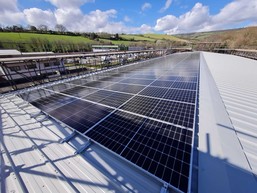
A new roof over the Broadmeadow sports hall is now in place which includes a 65kW solar PV system, consisting of 176 photovoltaic solar panels. This is expected to produce 65,000 kWh of electricity per annum by capturing sunlight – saving up to 13.7 tonnes of carbon per year and producing the equivalent benefit of taking seven cars off the road. Alongside the new roof, LED lighting has also been completed along with the installation of a battery energy store.
The new systems at Broadmeadow are expected to be commissioned and working by the end of the month.
At Newton Abbot Leisure Centre, installation of a 103kW solar PV system is scheduled to start next week and once in operation will save up to 21.9 tonnes of carbon per year, the equivalent of taking 11 cars off the road. The discovery of old buried utilities has delayed installation of the air source heat pump but we expect to complete installation of all decarbonisation equipment before the end of June and have a new power supply and all systems operating in the summer.
At Teignmouth Lido, an air source heat pump installation has been completed and will be commissioned as soon as a new power supply is available. Planning permission has been secured for the pool-side solar pergola and we will soon install the solar PV system which will save approximately 7.1 tonnes of carbon, the equivalent of taking four cars off the road.
We are working to complete the projects as soon as possible before opening the pool for the season. The changes will reduce heating costs and extend the life of the Lido by installing low carbon source heat pumps and other lower energy saving systems.
The above projects are part of a larger pipeline of projects which will begin to reduce our direct carbon footprint by up to 400 tonnes CO2 from 2022 and will feature in our carbon footprint from 2022/23.
|