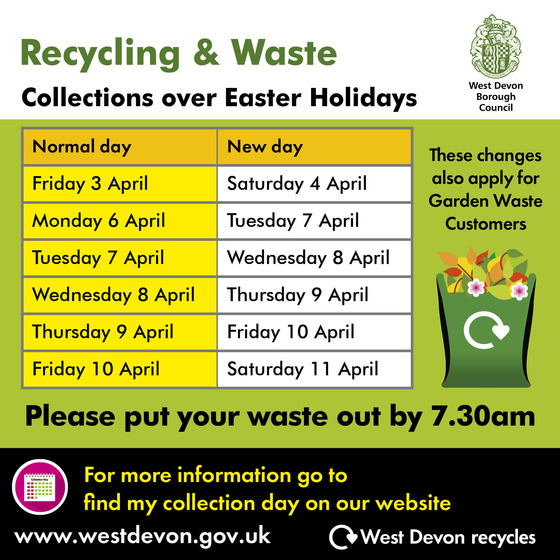
The Easter Bank Holidays will affect when we come to collect your recycling and waste.
Click here to see your collection dates for the Easter period.

Spring is here and gardening is back on the agenda, so have you signed up to for a garden waste subscription yet?
A year-long subscription to West Devon Borough Council’s garden waste collection service will cost £70 for 2026/27. One subscription provides four generous reusable sacks, which are collected every fortnight on the same day of the week as your recycling collections, in the opposite week to your black bag refuse collections.
If you sign up, you can put grass cuttings, hedge trimmings, cut flowers and plants, small branches, weeds, leaves, twigs, and vase flowers in your bags for collection.
You can sign up for 2026/27 collections from now, with collections starting from 1 April 2026. The year’s subscription will run until 31 March 2027.
For more information and to sign up, visit: www.westdevon.gov.uk/gardenwaste
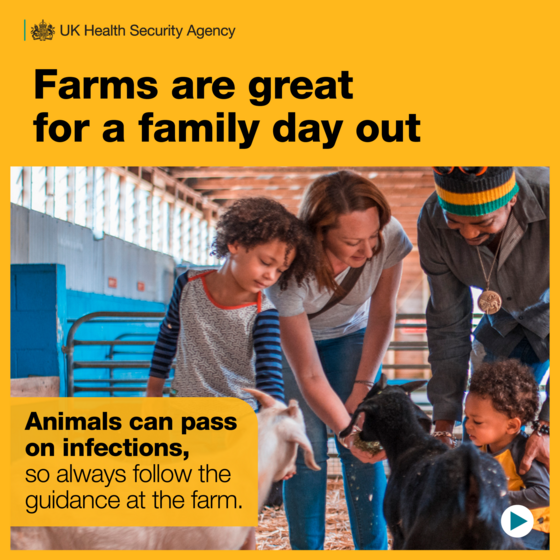
Visiting a farm is an enjoyable experience, particularly children. However, visiting a farm carries a small risk of catching infection from animals or the environment. Farm animals can be the source of bacteria, viruses, and parasites (germs) that can be passed from animals to humans and cause illness. Some can be particularly serious for children or pregnant women.
These germs may not cause animals to look ill, so it is difficult to tell whether an animal is infected, especially when they look clean and healthy.
Infection can be picked up from the animal’s body, its poo or from areas where animals have recently been.
Things you should do when visiting a farm:
- wash your hands thoroughly with soap and water after you have touched animals, fences or other surfaces in animal areas
- wash your hands thoroughly with soap and water before eating or drinking
- supervise children closely to ensure that they wash their hands thoroughly
- only eat and drink in picnic areas or cafes
- remove and clean your boots or shoes if they have become dirty or muddy and clean pushchair wheels. Make sure to wash your hands thoroughly with soap and water afterwards
- follow instructions and signage provided on farm sites
Read more at UKHSA.

Time’s running out to give your views on how to support arts and culture in West Devon.
We’re creating a new Cultural Framework and Strategy to guide how culture, creativity and heritage are supported in the future and we want your help to shape it.
Whether you attend events, volunteer, create, or simply enjoy what West Devon has to offer, your views matter. Please take a few minutes to let us know your thoughts before 27 March. click here to have your say
Tick awareness is an important step towards reducing the chance of getting a tick-borne disease like Lyme disease. Lyme disease is the most common tick-borne infection in the UK.
How to be tick aware:
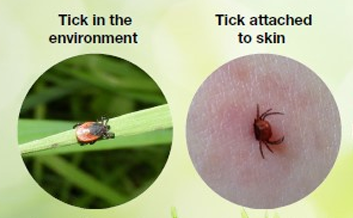
- Look over your clothes and body regularly if you’re outdoors and brush off any ticks you see.
- Carry out a thorough tick check when at home by removing your clothing and having a good look and feel for ticks – look out for anything as small as a speck of dirt or a freckle.
|
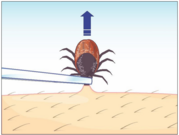
If you do get bitten, removing the tick quickly and correctly can help to reduce any potential risk of infection.
- the safest way to remove a tick is to use a pair of fine-tipped tweezers or a tick removal tool
- grasp the tick as close to the skin as possible and pull upwards slowly and firmly, as mouthparts left in the skin can cause a local infection
- once removed, apply antiseptic to the bite area, or wash with soap and water and keep an eye on it for several weeks for any changes
Being bitten by a tick doesn’t mean you’ll definitely get Lyme disease as not all ticks carry Lyme-causing bacteria. If you are bitten by a tick infected with Lyme-causing bacteria, you can reduce the chances of the bacteria being transmitted by removing the tick quickly.
|
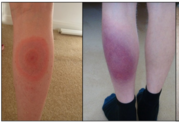
- A characteristic expanding rash is present in most but not all cases of Lyme disease.
- Get advice from your GP or dial NHS 111 if you feel unwell after being bitten by a tick, even when you don’t have a rash.
Contact your GP or dial NHS 111 if you begin to feel unwell and remember to tell them you were bitten by a tick or have recently spent time outdoors.
|

Are you looking for a flexible role in a supportive and open culture? Join the Council! We have a number of exciting roles available for the right person.
Click the button below to see our current vacancies.
|