Hands on at Home from Hanley Park

Having trouble viewing this email? View it as a Web page.

Hanley Park crest banner
Grass head

Indoor Gardening Ideas

Greetings to you all.  Whilst your time outside will be limited right now, we in Hanley Park want to keep in touch with you. Here are some indoor gardening ideas, that you may like to try, either on your own or with children.

Grow Plants from Food 

Growing your own plants from food in the kitchen is a great way to help kids understand where the food they eat comes from.


1. Find out what seeds will sprout by putting them on moist kitchen roll at the bottom of a shallow plastic tray.   You can try lentils, beans and brown rice, as well as seeds you may have in the kitchen such as poppy seeds, mustard seeds or pumpkin seeds.


2. Once the seeds start to germinate, you can transfer them into a jam jar or small pot to allow them to grow. Make sure the roots are well covered in soil and kept moist.


3. Encourage the kids to check back on them every day and water them if the soil feels dry.


4. Another great one to do at home is to cut the tops off carrots and parsnips and place them in a shallow dish of water. Keep them on a windowsill and they should sprout after a few days.

Plant  People

Make your own plant person from a pair of old ladies’ tights, a little bit of soil and some grass seed!


1. Cut a 6 to 8 inch long / 15-20cm piece of ladies tights (any colour will work). If your piece does not include a toe, then knot one end of the hose and turn it inside out. It will end up looking like a little tights bag.


2. Next scoop 2 to 3 teaspoons of grass seed into the closed end. Fill the rest of the tights bag with potting mix and tie the hose closed. Use your hands to gently shape the ball into a head shape.


3. Place the head in a shallow dish with the grass seed side on top. Use craft pieces such as wiggle eyes, buttons, pompom balls, felt and chenille sticks to make eyes, a nose, mouth and arms. Attach with craft glue or a glue gun.


4. After glue has dried/cooled, carefully water your new plant person until the soil is thoroughly moist and place in a warm location.


5. Check on it daily to make sure soil stays moist (if it seems to dry out quickly you can keep a reservoir of water in your dish), and within 3 to 5 days your new plant person will begin to grow “hair.”
 
6. Once the hair is established, you can give him/her a hair cut or just let it grow and see how long it will get. If you have time and supplies, make more than one to create a whole family of plant people.


Experience the Outdoors Indoors this April

Whilst time outdoors is limited this month you can still get your dose of nature by visiting the Wildlife Trust's Live webcams. 

You can chose to follow a wide range of birds and animals in their activities. 

Visit webcams to watch.


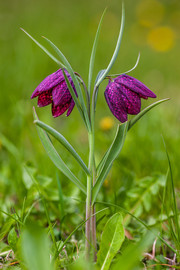
fritillary

Lets Get Physical

Although the weekly Parkrun in Hanley Park is unable to go ahead at the moment, there are ways in which you can keep fit indoors. 


Visit the NHS Fitness Studio for a wide ran of ways to keep fit for all ages and for those with some health conditions.


The city council’s leisure services team are also doing online fitness classes – you can find out more here


To find out more about the Hanley Park restoration project contact Claire Studman on 07584 174465 or email hanleypark@stoke.gov.uk 


Citizen Science logo


Citizen Science – Natural Volunteering Opportunities Whilst You Are at Home


For adults – there are several natural volunteering activities you can partake in from your home.

Naturehood

A citizen science project focused on acting for wildlife in private gardens, this project encourages the implementation and recording of wildlife friendly actions in communities. Take simple surveys to record changes in your garden wildlife.
Visit the Naturehood website for details on how to take part.

Living with Mammals survey

People's Trust for Endangered Species (PTES) is calling for volunteers to take part in spring’s survey of wild mammals in gardens and local green spaces. Choose a site close to home or place of work, and while your out doing your daily exercise, spend a little while each week looking out for wild mammals or the signs they leave behind.
To receive a survey pack contact PTES

Nature's Calendar

What effect has recent weather had on wildlife? Does climate change affect timings in nature? Take part in the Nature’s Calendar citizen science project and help scientists discover answers to these questions. Simply record the signs of spring that you can see from your window or garden. Visit naturescalenderr for details of how to take part. 

Urban Tree Canopy Cover map for the UK

Help build an Urban Tree Canopy Cover map for the UK
Tree cover can vary greatly and many towns across the world have created canopy cover targets to encourage planting and improved care of trees. It is important for us to know where we do and don’t have this resource.


How to get involved?

The Canopy Cover webmap makes it quick to assess any UK ward in three simple desk-based steps.


Step 1: Visit urban canopy coverr to download our detailed User Guide (it’s all the information you’ll need).


Step 2: Visit urban canopy cover web map to view the results so far, and to download the ‘shape-file’ that you need for Step 3 for your ward of interest.


Step 3: Get assessing at , it’ll take 0.5-1.5 hours using the icanopy tools survey info. 


Please remember to only do this as part of your daily exercise and always adhere to the 2 metre social distancing rules.


Email the results to canopycover@forestresearch.gov.uk and we’ll upload them to the map for all to see.


Hanley Park new logos

Stay Connected

If you enjoyed reading this update, why not check out the other updates and newsletters we offer by clicking here