
Welcome to the latest edition of the Early Help Newsletter. In this edition you can find information on the launch of the new Early Help vision statement, details of the understanding your child courses starting soon, how young people can support the recruitment of Early Help staff and an update on the Information, Advise and Support Service (IASS) for families of children and young people with special educational needs and disabilities (SEND).
If you have information on your service area you would like to share in the next early help newsletter, please email Kate.Bentham@shropshire.gov.uk or if you know of a colleague who would also like to receive this newsletter they can also email Kate to be added to the distribution list.
‘By treating our children and young people with respect, love and trust and with the right amount of encouragement we can inspire them to dream big, build relationships and connections that matter and together with kindness and a sense of belonging we can do great things.’
Shropshire Council’s Children and Young People’s vision statement
|

Whether you think a parent or family needs some support, or you are worried a child might be at risk of abuse or neglect, there is only one number you need – 0345 678 9021. From this number you will receive the support you need to get the right help at the right time to support families and safeguard children.
Shropshire Council’s early help team have developed a service vision statement for their work with children, young people and families.
The team wanted a simple statement which not only communicated their shared goal, but which would also act as a constant reminder of their purpose, with a clear focus on children, young people and families.
After a staff vote, the team are please to share the vision statement with you.
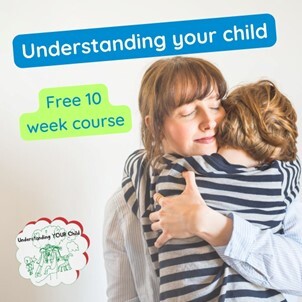
There are a several Understanding your child from toddler to teen groups starting this month, which are being run by Shropshire Council’s early help parenting team.
The groups encourage parents and carers to identify the most important issues in their relationship with their child and to reflect on why things sometimes go well and sometimes do not. It is about looking at what you are already doing well and building on that to make it even better. It is then easier for you as a parent to identify how to work together with your child.
You will explore issues like:
- Having Fun Together
- Behaviour Difficulties
- Sleep
- Communication
- Development Needs
- Parenting Styles
The group aims to:
- Promote understanding of children’s behaviour within the context of how a child develops
- Promote the development of parent/child relationship
- Increase confidence and self-esteem in both parents and children
- Give parents a strategy for repair when things go wrong
- Promote reflective, sensitive and effective parenting.
Groups are aimed at parents of children and young people and are free to attend.
To find out when and where the groups are running please visit the Shropshire Family Information Service directory
|
It’s fair to say that all parents from time to time need some help and support with issues that impact on family life. There is help and support available in Shropshire through our Early Help family drop ins – many of which are also stay and play sessions.
You can get free Information, advice and support on all aspects of family life, at our Family Drop-Ins. You can chat, have a cuppa and see how we can help you with:
- Family life
- Parenting support
- Domestic abuse support
- Money worries
- Housing support
- Special Educational Needs and Disabilities (SEND)
- and much more
To find your local drop in please visit the Family Information Directory
|

Involving the young people we support in the recruitment of the children and young people’s workforce, allows them to have a say in how we deliver services to them and their family. It also provides vital experience and insight in preparation for going into the world of work and attending interviews for themselves, as they can help
- Design interview questions
- Sit on interview panels or
- Meet candidates in a more informal setting and give their feedback about them,
If you know of any young people who are interested, there is a training event for young people, age 10+ will taking place during half term on Tuesday 18th February from 1:30 – 4:30 at the Lantern, Shrewsbury.
Please contact Becky Wells with details of young people wishing to take part – call 07811 971998 or email Becky.Wells@Shropshire.gov.uk
|

A number of Rapid Reviews and Child Safeguarding Practice Reviews have highlighted that not all practitioners are using the Neglect Tools and pathways when working with families and children who may be suffering from Neglect.
The purpose of the practitioner guidance and the Neglect Screening Tool is to help practitioners to:
- Identify signs of neglect at the earliest point possible
- Be clear about what information they have
- Help the child/ren and their family understand their concerns about Neglect and what progress has been made
- Use their professional judgement to make decisions about the level of harm the child is experiencing and what action they should be taking to prevent the situation becoming worse
- Identify any other organisation or team that also needs to be aware of the situation to undertake additional assessment and intervention as needed
Please familiarise yourselves with the documents and that they are used in your practice. Neglect Tools and Pathway
|

The following text was shared with stakeholders about children and young people’s mental health and emotional wellbeing in Shropshire.
We are writing to provide an update regarding the continuation of the BeeU service for children and young people’s mental health and emotional wellbeing in Shropshire, Telford, and Wrekin. The BeeU service, delivered by Midlands Partnership University NHS Foundation Trust (MPFT), provides vital mental health support for children and young people up to the age of 25, including neurodevelopmental assessments for autism and ADHD.
Following careful consideration, the decision has been made to extend the current BeeU contract until the end of September 2025. This additional extension will provide the necessary time to further develop and commission a new and improved Child and Adolescent Mental Health Service (CAMHS). The ongoing extension will also enable MPFT to continue its partnerships with Healios and Kooth to deliver psychological therapies and online emotional support, ensuring continuity of care during this transitional period.
This decision reflects our commitment to delivering a high-quality, sustainable mental health service for children and young people. It also allows us to build upon the transformation work underway, which includes addressing key areas such as expanding capacity, reducing waiting times, enhancing preventative support in schools and communities, and ensuring services are responsive to the needs of children, young people, and families.
We remain committed to engaging with stakeholders, including service users, families, professionals, and voluntary sector organisations, as we shape the future of CAMHS. Feedback gathered through engagement activities has been instrumental in informing both the immediate extension and the vision for the recommissioned service.
For further information or to provide feedback on the BeeU / CAMHS service, please contact: stw.getinvolved@nhs.net
To access emotional wellbeing and mental health services, please contact the BeeU Access Team on 0300 124 0093 or visit the BeeU website - BeeU :: Midlands Partnership University NHS Foundation Trust
|
The Parenting Help and Support Line are here for parents with a friendly listening ear and practical advice on everything from behaviours that challenge to sleep issues. No judgment, just support.
Call 01743 250950 Monday - Thursday, 9.30am - 4.30pm or Friday, 9.30am - 3.30pm or email: parenting.team@shropshire.gov.uk
|

The latest edition of the Family Information Service (FIS) newsletter is now out and on the Early Help website.
This issue focuses on free things – as we know for many families, January can be tough financially.
There’s information on free activities, food, fitness, learning, repairs and books.
Please share with the families you are supporting and encourage them to sign up to receive the newsletter directly by sharing the link below or scanning the QR code on the image. You can also use the link to sign up if you don’t already receive the newsletter.
Sign up to the Family Information Service newsletter
|

The 0-5 team’s referrals have been increasing which means they are reaching more 0–5-year-olds in families requiring support. They have also been attending the Health Visitor team meetings to spread the word about Early Help and attending the Open Access Clinics in the hubs so they can offer families attending advice and support as needed.
They have also been dropping into the antenatal services/maternity outpatients department at Shrewsbury Hospital to promote Early Help. They are also linking with Early Years settings identified by Health Visitors for their Integrated Two Year reviews to offer advice and support to families attending the reviews.
The work of the team is valued by families with the following compliments recently having been received.
I feel that my family have received the right support and that I feel more confident as to where to go to get support in the community and with my son going to Severndale that he is settled and there is the support there if needed in the future along with the support from Early Help Hub.
We were given a lot of good information such as All In and different charities, some we are entitled to but also in case we do become eligible in the future we know about it.
Finding out about early help has been great, doing the benefits was very useful and reassurance has been brilliant overall.
The support that come in place has gone really well, and the support you given, my daughter has really come on well. I’m really happy I’m a proud mum.
Early help has given us the information for local groups, online advice and more information and support for our family. I feel more confidence in going to groups.
|

If you are an early years setting, please could you take the time to complete this short MS Forms Early Help Information.
This will help both Shropshire council and the safeguarding partnership to consider how we both gain and record information as well as highlight where there may be a geographical need for additional help and support for our settings and families.
|

We’re thrilled to share some updates about the future of our service. Following the successful retendering of our contract, we are delighted to continue providing impartial information, advice, and support to families, carers and young people in Shropshire.
To align more closely with other providers across the UK, we will be changing our name to SENDIASS (Special Educational Needs and Disabilities Information, Advice and Support Service). While our name is changing, our commitment to supporting families and young people remains as strong as ever.
What’s New?
- New Website Coming Soon
We’re working hard behind the scenes to launch a brand-new website that will make accessing our resources and information even easier. Keep an eye out for updates through our social networks and local authority newsletters!
- Dedicated Service Manager
We’re excited to welcome a new dedicated Service Manager who will be focused on developing strong working relationships with the local authority. Their aim is to help bring about positive and lasting outcomes for the SEND community across Shropshire.
If you think that Shropshire SENDIASS might be able to help you, please do get in contact with the service.
You can call us on 01743 280 019 where you will be required to leave a message on Citizen's Advice Shropshire's answerphone, or you can email us directly at iass@cabshropshire.org.uk. Please include a contact number so someone can get back to you and take further details regarding your enquiry.
Aged 16-25? You can contact our dedicated youth worker, Lynne directly at lynnetaylor@cabshropshire.org.uk Text her at 07706 069 739 or leave a message with your name and number at 01743 644 807.
|
People in Shropshire have died, and it’s important that we learn from these cases and understand what we can all do to prevent further serious harm and deaths. A series of interactive webinars based upon learning from Shropshire Case Reviews have been developed and include:
You can find out further details and book your place on the courses via the links above. To find out more about the learning and development offer from SSCP please visit their website.
|

Emotional health for an autistic child or young person – just like any child – is nurtured through relationships, feeling heard, understood, accepted. These are the foundations for emotional health for all of us in fact. And in turn, emotional health is the foundation for learning, education, functioning and progressing well through life. You can’t learn if all your energy is taken up with struggling to get through the day or dealing with crippling anxiety.
So being the parent of an autistic child means throwing out the rule book, not holding yourself to the same norms and standards as might be appropriate for normative or neuro-typical parenting. It means learning, listening and really tuning in to what your unique individual child needs.
Yes all children need boundaries, actually did you know that boundaries can often make children feel safe, cared for held. But they may need to be negotiated a bit differently around autistic children and young people. With more flexibility, agility and creativity especially when navigating the usual expectations of nursery, primary school, secondary school, college, etcetera.
In order to really listen and validate children’s feelings and experiences, parents of autistic children need plenty of space for thinking in their own mind, and to create that space you too need to feel heard, validated, ‘contained’ and supported. So taking moments for yourself, sharing how you’re doing with others are so important. So look after yourself and reach out so that you have enough in the tank to pour into your relationship with your wonderful, differently-abled young person.
If you would like to learn more about your child’s stages of development and how to support them to thrive in everyday life our online course, Understanding your child with additional needs, is a useful tool for understanding the world they inhabit.
With 14 modules covering topics from reading behaviours, importance of sleep and developing communication it is accessible 24/7 on inourplace.
|

The latest TREES newsletter has been issued and can be found on the early help website early help website.
The newsletter includes articles on current patterns and emerging themes, places of concern, how to report intelligence as well as information on support services and how to report concerns.
There has been a concerning rise in knife related incidents in this period and so partners are encouraged to access services such as Steer Clear for preventative support. Equally, ensuring any incidents or concerns are reported to the Police is critical. Find out more in the newsletter.
|

13th February 2025 09:30 - 13:30 on Zoom
Our course is an introductory four-hour session to raise awareness of young people’s mental health. By the end of this course you will be Mental Health Aware and will be able to:
- Define mental health and emotional well-being
- Relate to young peoples’ experiences
- Recognise some signs of mental health distress
- Start a supportive conversation about mental ill health
- Practice self care
Learning takes place through a mix of presentations and group webinar chat. Everyone who completes the course gets:
- An MHFA manual to refer to whenever you need it
- A certificate of attendance to say you are Mental Health Youth Aware
Audience: Individuals working with (or supporting) young people who may be in mental health distress.
For more information and booking: Mental Health First Aid (YOUTH) Aware | Shropshire Council
|

The Coram Institute for Children has published a report on local authority support for homeless 16- to 17-year-olds in England. The report is based on interviews with children, legal staff and an analysis of case management and safeguarding alert data.
The report identifies seven key barriers to homeless 16- and 17-year-olds receiving appropriate entitlements and support. It highlights incomplete national data on homeless children and young people and a need for earlier support for children at risk of homelessness and those who are homeless.
Coram is calling for the Government and local authorities to: collect and publish local authority level data on the number of homeless 16- and 17-year-olds; invest in early help and prevention; and ensure they have sufficient safe and suitable accommodation for homeless 16- and 17-year-olds.
Read the report: The door is still closed
|

Action for Children has published a blog post on children affected by homelessness in the UK. The blog discusses the scale of the issue and the main causes of youth homelessness including: family breakdown; leaving care; and mental health problems.
It also highlights minority groups who are at higher risk of youth homelessness due to discrimination or disadvantage and looks at the impact of homelessness on children and young people.
Read the blog post: What is the extent of youth homelessness in the UK?
|

Cafcass has created a new animated film explaining family court proceedings to children and young people. Made in collaboration with young people who have experiences of family court proceedings, the latest Taking Me Seriously film explains to children and young people what court recommendations are and why it is important that they are understood clearly.
While aimed at young people, the film is also useful for professionals to help develop an understanding into what it’s like for children to go through court proceedings.
Watch the film: Cafcass emphasises the importance of explaining decision making to children in new animated film
|

As part of their Think Which Service Campaign, NHS Shropshire, Telford and Wrekin are launching a new podcast series to help residents tackle the challenges of winter. The podcast, featuring leading health and wellbeing experts, offers actionable advice and expert insights into staying physically and mentally healthy this winter. It will cover a wide range of topics, from boosting immunity and managing seasonal illnesses, to combating the winter blues and maintaining overall wellness.
The first episode, Staying Well Over Winter, features Rachel Robinson, Director of Public Health for Shropshire Council. Rachel provides valuable insights into a variety of key topics, including:
- Why winter illnesses spike
- Simple yet effective hygiene practices
- The importance of vaccination and preparation
- Maintaining mental wellbeing during the colder months
- Practical tips for staying warm
- How to manage common winter illnesses
The second episode, Managing Your Mental Health Over Winter, is led by Caroline Dugen-Williams, Clinical Lead for NHS Talking Therapies in Shropshire, Telford and Wrekin. Caroline delves into critical issues surrounding mental health in winter, such as:
- Why mental health can decline during the colder months
- Recognising signs that someone may be struggling with their mental health
- Practical ways to improve your mood during winter
- The role of social interaction in supporting mental wellbeing
- Techniques for managing stress more effectively
- Support and advice for those grieving during the festive season
Each episode provides actionable advice and professional guidance, aimed at helping listeners tackle some of the challenges winter can bring.
Full episodes will be available on the NHS Shropshire, Telford and Wrekin YouTube channel, while shorter snippets of the interviews will be shared on their social media channels.
The Think Which Service Campaign encourages residents to make informed decisions about their healthcare, promoting self-care and appropriate use of services to ensure everyone receives the right help at the right time.
Visit thinkwhichservice.co.uk for more information and resources.
|

The Special Educational Needs and Disabilities (SEND) and Alternative Provision (AP) Change Programme is a national programme designed to test a number of policy changes to systems and processes for children and young people with SEND, and those accessing alternative provision in the UK.
It's being delivered by change programme partnerships in each of the nine regions of England. Each partnership consist of selected local authorities and integrated care systems working alongside families, led by at least one named local authority.
For our region, the West Midlands Change Programme Partnership consists of Shropshire Council, Telford and Wrekin Council, NHS Shropshire and Telford and Wrekin Integrated Care System (ICS), Herefordshire and Worcestershire Councils and Hereford and Worcestershire ICS, with Telford and Wrekin Council being the named lead local authority.
Julie Johnson is the SEND and AP Change Programme Partnership senior lead for Shropshire Council. If you have any questions or feedback you can email Julie: julie.johnson@shropshire.gov.uk
Julie has provided an update on the more recent work happening in Shropshire as part of the programme.
Welcome! We've been focusing on improving our services. Here are our next steps:
-
Develop Inclusion Services: We're enhancing service provision and curriculum development across our schools and services.
-
Develop Alternative Provision support: A new specialist taskforce model is being developed in Shropshire to further develop Alternative Provision.
-
Improve ELSEC Programme: We're working to ensure high-quality services and plan to extend the programme to new schools and nurseries.
-
Develop Inclusive Practice: We are supporting our schools to further develop their Inclusive Practice to support the needs of all learners.
Alternative Provision (AP) Plan:
- A three-level approach to support students in both Alternative Provision and mainstream schools.
- An improved staffing model for Alternative Provision is in development to support students needing support.
ELSEC (Early Language Support for Every Child):
- Children continue to be supported in early years settings and primary schools.
- Talk Boost program is halfway through its 10-week plan in a select number of schools.
- Staff training for schools is ongoing.
Inclusive Practice:
- Further development of SEND Hubs across Shropshire.
- Training to support schools with improving their inclusive offer to all learners.
Completed
- The SENDAP Programme will no longer test EHCP templates, thank you to all families who agreed to take part in the pilot template, your feedback was fed back to Department for Education and proved valuable.
- The Local Area Inclusion Plan has been completed and signed off and sent to Department for Education.
|
|