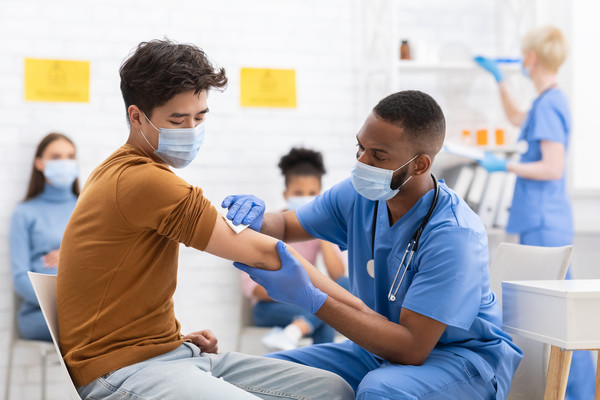
 Since 21 March, the NHS COVID vaccination programme has invited eligible people to come forward for their life-saving Spring booster jab.
The Spring booster jab is available to:
- People aged 75 and over
- People who live in a care home for older people
- People aged 12 and over who have a weakened immune system.
How to get your Spring booster jab:
- People aged 75 and over and those who are immunosuppressed can book their Spring booster jab through the national booking service online at nhs covid vaccine or by calling 119
- The NHS will also invite people to arrange a jab through the national booking service when it is their turn
- If you are over 75 and/or immunosuppressed, you should be offered an appointment around six months (and not before three months) since your last dose of vaccine
- You will be given a booster dose of either Pfizer or Moderna vaccine. Both vaccines boost well and have already been given to millions of people in the UK.
Around five million people will be able to get a Spring booster during the campaign, and this week, the NHS will be contacting over 600,000 people to invite them to book their jab.
If you have not yet had either of your first two doses of the vaccine or the third dose (for those with a weakened immune system), you should have them as soon as possible.
If you missed your first booster, you should have this spring booster as soon as possible.
 COVID-19 hasn't gone away. The success of the vaccination programme across the country and in Redbridge has paved the way for the easing of restrictions. All adults have now been offered at least their first vaccination.
It's vital that, if you're aged 12 or over, you take up your potentially life-saving first and second vaccinations - to protect yourself and your loved ones. Studies have shown that vaccination provides a strong protection boost, including those who have recovered from COVID-19.
Everyone can help reduce risks by acting safely and responsibly. COVID-19 is likely to still be a feature of our lives for the foreseeable future. Every action you take to help reduce the spread will help to keep you and your loved ones safe.
Get vaccinated: The COVID 19-vaccines are the best way to protect yourself and others from becoming seriously ill.
Research has shown that the vaccine will:
- reduce your risk of getting seriously ill or dying from COVID-19
- reduce your risk of catching or spreading COVID-19 to others
- protect against COVID-19 variants
-
Get tested - you should get tested if you have symptoms. To find out where you can be tested or where to collect COVID-19 tests. Please note testing arrangements are changing from 31 March. From 31 March, the general public will no longer be able to access free Lateral Flow Tests or PCR tests unless you are in a specific 'at risk group' or work in certain frontline care roles. the Government will set out further details on which groups will be eligible
- Stay at home if you feel unwell - you should monitor each day for signs of COVID-19
- Keep your distance – Meeting outdoors, and good ventilation remains important to help reduce the spread of COVID-19
- Wash hands regularly - keeping your hands clean helps to prevent the spread of COVID-19
- Travel safely - walk or cycle to school and work if you can to reduce congestion. It's healthier too!
COVID-19 has been difficult for all of us in different ways and now that restrictions are easing there may be new challenges to consider.
The NHS COVID-19 hub gives you tips on how to cope with anxiety. There are also Every Mind Matters resources to help you talk about mental health and the things in your daily lives that can affect it.
If you feel that you need a little more help or may be experiencing a mental health problem, please contact your GP. They can offer advice or refer you to specialist services.
You are receiving this email so you are informed about the latest government and public health information on the COVID-19 pandemic. You can unsubscribe from this email at any time using the unsubscribe link at the bottom of this email. To stay up to date with the latest Council news, COVID vaccinations, COVID public meetings and more, sign up to Redbridge enews.
|