|
A smoke-free life starts with a smoke-free day
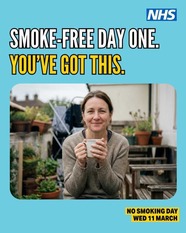
Today is national No Smoking Day. If you’ve been thinking about quitting or decided to give it go, you don’t have to do it alone.
As a Nottingham and Nottinghamshire Smokefree Alliance partner, we’re helping to raise awareness of the support available to help you quit. You’re three times more likely to succeed with help from a stop smoking service.
Your Health Notts offer a free, flexible programme with expert advisors who can provide the tools, support and guidance you need to help you quit for good.
|
Young Carers Action Day
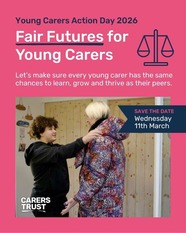
Today is also Young Carers Action Day, a national awareness day dedicated to recognising, celebrating, and supporting young carers, children and young people who provide care for a family member
The theme for this year is 'Fair Futures for Young Carers' which means they should be:
- identified early and supported before caring responsibilities negatively affect their lives
- understood and valued by schools, colleges, employers and services
- given equal opportunities to succeed in education, training and work
- supported into adulthood, particularly during key transitions.
At its heart, the campaign is about fairness, ensuring young carers are not disadvantaged simply because they care for someone they love.
If you’re under 18 and help care for someone, Young Carers Notts is here for you. They offer friendly one-to-one support, group and fun activities to give you a break from caring, and a safe space where you can feel listened to and supported. Visit their website for more information.
Image credit © Carers Trust
|
It's ok to talk about self-harm
Self-Harm Awareness Day, also known as Self-Injury Awareness Day, takes place on the 1 March each year. It aims to raise awareness about self-harm, reduce stigma and highlight support services.
Talking about self-harm can help someone who is struggling to open up and take the first step towards getting help. If you’re worried about them, it’s always safer to ask. They may not be ready to talk but knowing you’re ready to listen might be the sign that they need.
Visit our website to learn more about self-harm, for advice on how to talk to someone about it and details on local support services.
|
Protect your children from HPV
Last Wednesday, 4 March, was International HPV Awareness Day, which aims to raise awareness about HPV and encourage people to get protected.
The Human papillomavirus, or HPV, is a group of common viruses that live in the skin and the cells lining the inside of our body. This includes the genital area, mouth and throat. Almost all of us will have HPV at some point and while it isn’t harmful for most people, HPV is linked to several kinds of cancer, such as cervical, head and neck cancers. Getting vaccinated offers the best protection against HPV.
If you have a child in secondary school, they will be offered a HPV vaccination in year 8 in school or in a community venue during the school holidays. If they have missed out, they can still get a vaccine at the school aged immunisation service catch up clinics to year 13.
After leaving school, girls up to the age of 25 and boys born after 1 September 2006 up until their 25th birthday can request a vaccination through their GP.
While the vaccine reduces the risk of HPV-related cancers by about 90%, all women aged 25 to 64 should still have regular cervical screening.
|
International Women's Day

International Women’s Day was observed on 8 March to celebrate the social, economic, cultural and political achievement of women, and the continued drive towards gender equality.
The 2026 theme ‘Give to Gain’, highlights the strength that comes from generosity, solidarity and lifting one another up. It encourages us to create communities where every woman and girl can thrive, feel valued, and access the support she deserves.
As part of this commitment, we want to shine a light on the dedicated services across Nottinghamshire that offer safety, guidance and hope to anyone affected by domestic abuse. Help is available, you are not alone, and reaching out is an act of courage and empowerment.
Visit our website for information on organisations offering support to women, men, children and young people.
|
Safer Sleep Week
Safer Sleep Week, 9 - 15 March, is a national campaign by The Lullaby Trust to raise awareness of safer sleep advice that reduces the risk of sudden infant death syndrome (SIDS).
Sadly, up to six babies die in Nottingham and Nottinghamshire every year where safer sleep is a factor. With more knowledge about safer sleep practices, these tragic deaths could be avoided.
The safest place for a baby to sleep is in their own space, such as a cot or Moses basket, in the same room as you for at least the first six months. You should also:
- always lie your baby on their back
- keep their sleep space clear of toys, blankets and bumpers
- use a firm, flat, waterproof mattress
- avoid your baby getting too hot by keeping the room between 16 and 20°C.
|
World Social Work Day 17 March
Every year, World Social Work Day is celebrated on the third Tuesday of March. Our social workers and those who work in social care make a major contribution to the people, families and communities they work with. World Social Work Day is an opportunity to thank those in the profession for the remarkable difference they make to people’s lives every day by supporting their needs and helping people to live independently.
If you’re looking for a rewarding career that makes a real difference, there are many roles available in social care.
|
Stay fit on your farm visit
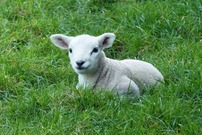
Spring is a great time for a farm visit with lots of baby animals. Make sure you follow the farm rules about keeping a safe distance from the animals for your safety and their wellbeing. You should also avoid germs which can be passed from animals and can cause illness like diarrhoea and vomiting.
To stay safe and avoid germs:
- wash hands thoroughly with soap and warm running water after touching animals, fences or other surfaces where animals may have been, and dry hands with paper towels. Don’t rely on hand gel or wipes, they don’t work against the types of bugs found on farms
- wash your hands thoroughly with soap and water before eating or drinking and always eat in picnic areas or cafes
- avoid wearing open-toed shoes and at the end of your visit, remove and clean boots/shoes and pushchair wheels. Then wash your hands thoroughly with soap and warm running water
- if you hold or have contact with an animal, wash your clothing on at least 40°C when you return home
- don’t touch your face or mouth while you’re petting animals or walking around
- baby animals are very cute but don’t kiss or put your face close to farm animals
- don’t eat anything that has fallen on the floor.
|
|
|
|
|
|





