|
Spotlight on romance fraud
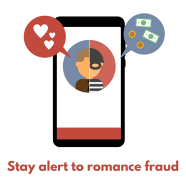
With Valentine's Day approaching it’s important to be on your guard to protect yourself from romance scams.
Criminals are experts at using AI to create fake online dating profiles and will try to establish a relationship with their target quickly. Once they have gained their victim's trust, they will usually talk about their need for urgent financial help, with promises to pay back the money they want to borrow. But they never do, and they may even ask for more.
Don’t trust everything you see online. Be wary of revealing personal information about yourself online and remain on the dating site’s messaging platform if contact was made via a dating site. Alarm bells should be ringing if you are encouraged to keep things from your family and friends. You should also be suspicious of anyone asking lots of questions about you but not revealing much about themselves.
Remember, no matter how long you’ve been speaking to someone online and how much you trust them and even if you’ve met in person:
- Never send them any money
- Never allow them access to your bank account
- Never transfer money on their behalf
- Never take a loan out for them
- Never provide copies of your personal documents such as passports or driving licenses
- Never invest your own money on their behalf or on their advice
- Never purchase and send the codes on gift cards from Amazon or iTunes
- Never agree to receive or send any parcels on their behalf (such as mobile phones or laptops)
Contact your bank immediately if you think you’ve been scammed and report it to Report Fraud (formally known as Action Fraud).
|
Shop safely for electricals
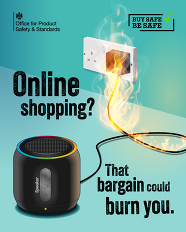
Fake electrical products are everywhere, from e-commerce sites you know and trust, to your favourite social media channels.
Don’t be fooled into thinking you are getting a bargain though, as many of these counterfeit products don’t work properly, or worse, are unsafe and dangerous to use.
Follow these tips to help you stay smart, stay savvy and stay safe when buying electrical items online:
- Research the seller before making a purchase
- Look for UK contact details
- Avoid making a payment by bank transfer
- Look for spelling and grammar mistakes as these can indicate fakes
- Look for EU and/or UK safety markings
- Question the price if it is much cheaper than elsewhere
|
Fraudulent roofers who targeted residents jailed
Eight members of an organised crime group have been sentenced to a combined total of 13 years and six months for defrauding East Midlands residents.
Victims lost more than £133,000 to the gang who attempted to charge more than £208,000 for roofing work that was often unnecessary and overpriced, and in some cases even caused damage to the roofs themselves before demanding payment to ‘fix’ it.
Their successful prosecution follows an investigation led by the National Trading Standards Regional Investigations Team East Midlands, which is hosted by Nottinghamshire County Council.
If you or someone you know has experienced problems of this nature or has concerns about the trading practices of a particular trader, please contact the Citizens Advice Consumer Service on 0808 223 1133.
|
Could you spot a delivery scam?

Be aware that criminals send fake text messages in the hope you are waiting for a parcel to arrive. They want you to click on links which could download malware to your device and steal your information.
Remember that you shouldn’t have to pay a fee for a missed delivery. If you’re unsure and you think you have a package arriving, check delivery notifications carefully to ensure they are genuine.
Avoid clicking on links in messages or emails – visit trusted sites by typing the web address directly into your browser. If you receive a scam text message report it by forwarding it to 7726.
|
New Friends Against Scams app
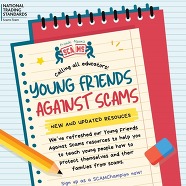
Have you heard about the new app that has been launched by Friends Against Scams? It has been specifically designed to help you stay safe from scams. With the Friends Against Scams app, you can:
- Take interactive training to learn to spot doorstep, mail, and telephone fraud
- Use Ask Silver to check if a website is legitimate
- Use Ask Silver to verify if a message might be a scam
It’s available on both Apple and Android. Simply search for ‘Friends Against Scams’ in your app store.
|
How to avoid TV Licence scams
Unfortunately scam emails relating to TV licences are on the rise, with the dodgy emails encouraging recipients to enter their details on fraudulent websites.
Our friends from TV Licensing have the following tips to check if an email is genuine:
- Check the sender’s email address. Genuine emails will come from donotreply@tvlicensing.co.uk (or donotreply@spp.tvlicensing.co.uk)
- Does it have your name on it? Many scams will simply use your email address or say ‘Dear Customer’
- A legitimate email from TV Licensing will include part of your postcode in it
- Check the spelling and grammar
- Check your licence number – scammers may use a false one and hope you don’t notice
STOP before you enter personal or bank details, especially if a letter, email, text or phone call promises you money, a refund or suggests there is an issue with your payments.
Remember, you can report any scam or suspicious emails to report@phishing.gov.uk. Be scam safe.
|
Register your household appliances

Love your trusty household appliances? Then make sure you are kept up to date if ever a safety repair or recall is needed by registering them with Register My Appliance.
Registering your appliances is free and easy and only takes a few minutes to do. It works for over 70 brands and covers household appliances that are up to 12 years old.
|

|
|
|
|





