Flu is circulating earlier this year - protect yourself now!
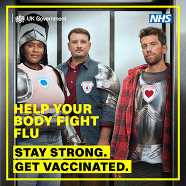
We’re seeing an unusually early start to the flu season, with rising cases in children, young adults, and across all age groups. Flu can be serious, especially for those with long-term health conditions.
Get vaccinated now if you are:
- aged 65 or over
- pregnant
- living with certain long-term health conditions including heart or liver disease, chronic respiratory disease, diabetes, or neurological conditions
- a child aged 2 or 3 years old or school-aged (parents, please return consent forms to school or book a catch-up clinic).
Why it matters:
- flu hospitalisations are increasing
- vaccination can cut your risk of hospitalisation by nearly half
- if you do catch flu, symptoms will be milder and recovery quicker.
Feeling unwell?
- stay at home if you can
- wear a face covering if you need to go out
- wash hands regularly
- ventilate indoor spaces.
You can book a flu vaccine on the NHS website, via the NHS App, or by calling 119.
Let’s protect ourselves and those around us.
|
Staying safe and well in winter
Winter can be a challenging time but there are simple steps we can all take to stay safe and healthy during the colder months. We’ve rounded up some top tips and guidance from the UK Health Security Agency (GOV.UK) and the Met Office:
- try to heat rooms you spend a lot of time in to at least 18°C and reduce drafts by fitting excluders
- check heating systems and radiators are working effectively, and radiators are not obstructed by curtains or furniture
- weatherproof your home and garden by clearing guttering, checking roof tiles and fences, and securing or removing outdoor furniture
- check on elderly or vulnerable relatives and neighbours to make sure they are safe and well
- look after yourself by eating well, doing regular light exercise, topping up Vitamin D and reaching out for support if you need it.
|

Let us have your views on adult social care flat rate charges
The council is reviewing its flat rate charges for adult social care services for 2026/27. Flat rate charges are set fees for specific services such as transport, financial services, and technology-enabled care, that are not means-tested.
These charges are permitted under the Care Act 2014 which allow councils to apply discretionary fees to cover administrative and other costs for certain services.
We’re seeking your views on the fairness, affordability, and impact of these charges. Your feedback will help shape future policy and ensure charges are set in a transparent and sustainable way. The survey closes on 7 December 2025.
|
Local campaign on smoking in pregnancy
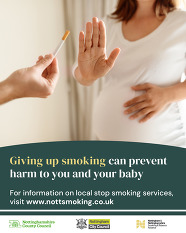
As a Nottingham and Nottinghamshire Smokefree Alliance partner, we’re supporting a local campaign to encourage pregnant women and people planning a pregnancy to give up smoking.
Local data shows the number of pregnant women in Notts still smoking when their baby is due is higher than the national average.
Protecting your baby from tobacco smoke is one of the best things you can do to give your child a healthy start in life. Giving up smoking can prevent harm to you and your baby.
It can be hard to quit, but free local stop smoking services are ready to help.
|
Help stop the spread of norovirus

As we move into the colder months, norovirus - often called the winter vomiting bug - is circulating again. Although more common in winter, it can spread at any time of year.
Norovirus is a highly contagious stomach virus that causes sudden vomiting and diarrhoea. Other symptoms may include fever, aches, and stomach cramps. It spreads easily in places where people are in close contact, such as schools, care homes, and social gatherings.
You can help stop the spread of norovirus by:
- washing hands thoroughly with soap and warm water - hand sanitiser is not effective against norovirus
- staying home until 48 hours after symptoms have completely stopped
- avoiding preparing food for others while ill and for two days after recovery
- cleaning contaminated surfaces with bleach-based products
- washing soiled clothing and bedding at 60°C.
If you become unwell, it’s important to:
- rest and drink plenty of fluids to prevent dehydration
- avoid visiting your GP or hospital unless it is absolutely necessary - call NHS 111 or your GP for advice
- let close contacts know so they can take precautions.
|
Could you look after someone in your home?
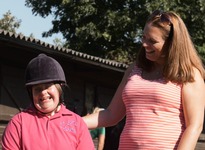
Nottinghamshire County and Nottingham City Councils are launching a campaign to recruit more Shared Lives carers so that more people with additional needs who find it harder to live on their own, can live as safely and independently as possible in their community.
Shared Lives is a scheme in which carers share their homes with adults who have support and care needs and provides an alternative to residential care or supported living.
Unlike traditional care settings, Shared Lives carers open their own homes to the people they support. Individuals become part of a family, enjoying everyday life, building relationships, and doing what matters most to them.
|
Keep yourself safe from meningitis

Meningitis is a serious condition where the protective layers (meninges) around the brain and spinal cord become inflamed.
Although anyone can get meningitis, it’s most common in babies, young children, teenagers, and young adults. It needs to be treated quickly so it's important to know the signs and symptoms, which can happen in any order, and may not all be present.
|

Baby Week
Nottinghamshire is excited to be joining in with Baby Week for the third year.
From 14 to 20 November, there are lots of events and activities taking place across the county for expectant parents, parents and carers, babies, toddlers, and professionals working in maternity and early years services.
There will also be Baby Week Roadshows at venues in Mansfield, Rushcliffe and Gedling with stalls from local businesses and services, talks, demos, taster sessions, and more.
|

|
|





