|
Spotlight on deepfake scams

Do you know about deepfakes? Let us educate you: deepfakes are created by using artificial intelligence (AI) to manipulate existing footage or audio to make someone appear to say or do something. Unfortunately the technology is now being used by fraudsters to create scams that look incredibly realistic.
These are the common deepfake scams to look out for:
-
Investment scams: fake videos of public figures like Martin Lewis promoting “can’t-miss” investment deals.
-
Romance scams: AI-created profiles build fake relationships online, then ask for money.
-
Extortion scams: criminals use voice cloning to pretend to be a family member in trouble, urgently asking for money.
-
Celebrity ad scams: fake ads using public figures to sell products they never endorsed.
If you think you’ve been scammed contact your bank immediately and report it to Action Fraud.
|
Rogue traders alert
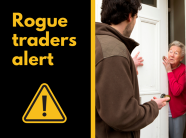
Our Trading Standards team has received reports of a variety of rogue traders in Nottinghamshire cold calling and pressuring residents to buy goods or services from them.
We want to remind you to stay alert to rogue traders and follow our advice:
- Never engage with cold callers knocking on your door or who call out of the blue.
- Be wary of using traders recommended on social media.
- If you need a tradesperson, choose one that is part of the 'Buy With Confidence'
- Get three written quotes from different and independently sourced traders. These should provide the name and address of the trader, along with the work they will undertake, and will help you ensure that you are being charged a reasonable price for the work.
- Be careful of online reviews as these may not be genuine.
- Don’t forget, you can get a free 'no uninvited callers' sign for your door from our website.
If you need to report a rogue trader, you can do this by calling the Citizens Advice Consumer Helpline on 0808 223 1133. You can also contact them for advice prior to entering into a contract to purchase goods or services.
|
Caffeinated chewing gum warning
We’re urging parents and carers to talk to their children about the potential dangers of consuming caffeinated chewing gum.
Concerns have been raised after several youngsters have reportedly become unwell after consuming too much caffeine by eating caffeinated gum, which is relatively cheap and widely available. Although there is not currently any legal age restriction on buying caffeinated gum, a single piece can contain between 40-100mg of caffeine, depending on the brand, which could be the equivalent to drinking a regular cup of coffee!
According to the European Food Safety Authority it is considered safe for healthy adults to consume single doses of caffeine up to 200mg, with a total daily caffeine limit of 400mg. However, children can be much more sensitive to caffeine and consuming excessive caffeine can, in some cases result in a child becoming extremely unwell. Some of the more serious adverse effects of consuming too much caffeine include a rapid heart rate, abnormal heart rhythms, and even seizures.
Please share this information with friends and family who might not be aware of the health risks associated with children eating caffeinated chewing gum.
|
The countdown is on for Black Friday

It’s not long until Black Friday, but before you bag a bargain, beware. Criminals will target online shoppers with fake websites to try to trick them into buying goods or services that never materialise.
Take a moment to stop and think before parting with your money or giving out any personal information. Only give out your personal or financial information to services you know to be official.
Ask yourself if it could be fake? It’s ok to reject, refuse or ignore any requests for money or personal information. Only criminals will try to rush or panic you
Contact your bank immediately if you think you’ve been scammed and report it to Action Fraud.
|
How safe is your electric blanket?
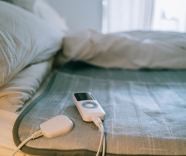
As we head into winter you might be using an electric blanket to keep warm at night. However, did you know that 60% of electric blankets have the potential to cause deadly housefires?
If you use an electric blanket, make sure you check it regularly. If the electric blanket (or its flex) shows any of these ten danger signs it needs to be checked by a qualified electrician or replaced:
- Scorch marks
- Fraying fabric
- Exposed elements
- Creasing or folding
- Soiling
- Damp patches
- Tie tapes damaged or missing
- Worn flex
- Loose connections
- An old BEAB safety mark (a round symbol) – this means it is more than ten years old.
Even without any of these warning signs, it is recommended that electric blankets are replaced every ten years. If in doubt, throw it out!
|
Button battery safety
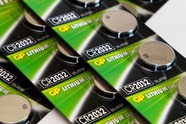
Did you know that button batteries can badly hurt or kill a small child if they swallow one? They look like a coin, and even 'dead' button batteries can still have enough power to badly injure a small child.
Follow our tips to keep children safe:
- Look around your home for button batteries so you can make sure you know what gadgets and toys use button batteries. Think toys, lights, remote controls and more. Always check that the button battery compartment is secure. Check for products with loose backs and button batteries that may have dropped out.
- When you remove a button battery, store it securely, and recycle it properly and promptly.
- Store spare button batteries in a safe place, up high and out of children’s reach. Be careful when opening multipacks of button batteries to ensure they do not fall on the floor.
If you suspect your child has swallowed a button battery, dial 999 or take them to the nearest A&E department.
|
|
|
|
|





