|
Don’t miss out on the Reduce, Reuse, Recycling Fund
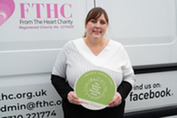
If you have been thinking about applying for up to £1,000 of funding, you have until Friday 4 July to submit your application.
We’re looking for creative and innovative ideas that inspire others to think about waste in a different way.
Community groups, schools and charities are encouraged to apply for funding for projects and activities such as in-person or online workshops, social media campaigns, practical equipment, education activities or even promotion and awareness raising. This could be anything from swap shop events, repair workshops, community gardens (that make use of reused, reclaimed, or recycled materials), food growing, food waste reduction initiatives and composting schemes. These projects could be at home, school, place of work, online or at a local event.
|
Single-use vape ban
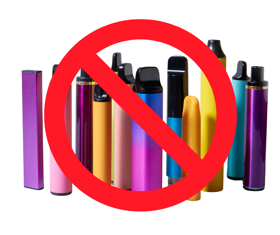
From 1 June, it became illegal for businesses to sell or supply single-use or ‘disposable’ vapes.
The use of these vapes has caused issues. Often they are discarded incorrectly, which spoils communities and threatens biodiversity by contaminating soil, rivers, and streams with harmful substances. Also, as the vapes contain batteries, they can pose fire hazards if crushed or punctured, risking the safety of waste management workers, firefighters and residents.
Never put vapes in any of your household bins.
Any shop selling vapes must offer a ‘take back’ service where they accept vapes and vape parts (such as used pods, coils or batteries) that customers return for recycling. This includes any single-use vapes returned by customers after the sale and supply ban came into force. Recycle Your Electricals has a handy search function on its website so you can find retailers near you that offer a recycling service.
Alternatively, you can take your used vapes to your local recycling centre.
|
Reusable vs. disposable coffee cups

According to the government 2.5 billion disposable coffee cups are used and thrown away each year in the UK but less than 1 in 400 are recycled. Around 500,000 cups are littered every day, damaging our environment.
Many people think that disposable coffee cups can go in recycling bins as they are made of card, but because they are bonded with a plastic liner they need specialist recycling and cannot go in mixed recycling.
Nowadays most of the major coffee chains like Starbucks, Caffè Nero, Costa and Pret a Manger accept reusable cups. In fact, many offer discounts or other incentives for using a reusable cup.
If you want to switch to a reusable cup, our friends at Hubbub have some great top tips to help you make the change.
|
Win a reusable cup and bottle set
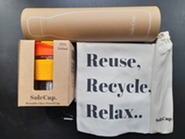
Inspired to make the switch to a reusable cup?
Enter our competition for the chance to win a reusable cup and bottle set.
The cup is made from strengthened, tempered glass with a splash-proof lid ensuring mess-free drinking, keeping your hands dry.
The bottle is made from durable stainless steel and its double-walled design ensures your drink will be kept hot for up to 12 hours and cold for up to 24 hours.
|
The sun is out!

June sees the official start of summer and we have already had some very hot days.
If you have found yourself hunting for last year’s sun cream only to find it empty or expired, maybe you are wondering if it can be recycled. We've put together a quick guide to help you:
- If it is a plastic bottle and empty it can go in your recycling bin.
- If the plastic bottle has a pump or spray top the bottle can be recycled, but please remove the top and put it in your general waste.
- Soft plastic containers like tubes are generally not recyclable and should be placed in your general waste bin.
|
Summer and Wimbledon on the way means strawberries!

2025 is set to be a great year for strawberries – the combination of warmer days and cooler nights during Spring is known to make strawberries sweeter.
But even if you haven’t managed to eat them before they are past their best, don’t throw them away – make our microwave strawberry jam instead.
Our microwave jam recipe is quick and simple. In just six minutes, you can make a batch that's as good as traditional slow-cooked jam. It's an easy way to use up fruit and reduce food waste.
Tip: Clean and reuse your empty jam jars for your homemade preserves – you can find out how to sterilise them in our video (check out the link below).
|
|
|
|
|





