|
Stay scam-savvy when shopping this Christmas
|
With household budgets feeling the pinch, more and more of us are looking to grab a festive bargain when doing our Christmas shopping. But before you reach for your purse or wallet, remember that some deals really are too good to be true and could lead to you being scammed by criminals. New data has revealed that online shopping fraudsters stole £1,000 on average from each victim last Christmas.
So, what can you do to help yourself shop safely and not fall foul of seasonal scams?
- Keep your accounts secure
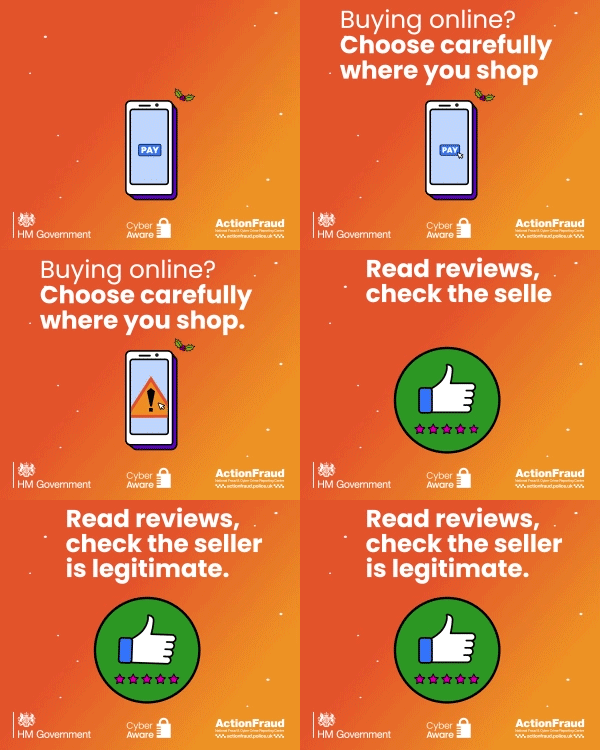
- Choose carefully where you shop
- Use a credit card for online payments if you have one
- Only provide enough details to complete your purchase
- Be aware of emails, text messages or websites that look too good to be true or suspicious
|
|
 |
Don't toy with safety
Christmas really is a magical time of the year, especially for kids. To make sure your Christmas is one to remember for all the right reasons, we’ve got some important advice for you on toy safety.
Making sure you only buy from reputable retailers is one of the most important things when it comes to buying toys.
Look out for fake toys when shopping online. Compare the toy’s price with other online sellers and remember, if it’s a fraction of the cost, it’s likely to be counterfeit.
It’s also important to be age aware. Toys must be clearly marked with age restrictions so check these and make sure they are suitable for the age of the child that will be playing with them. Look out for a UKCA or CE safety mark as well, as one of these must be included on all toys sold in this country.
Finally, be aware of toys with small parts as these could come detached and be a choking hazard.
|
Don’t blow Christmas
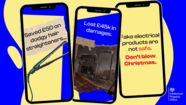
Fake electrical products are everywhere, from e-commerce sites you know and trust, to your favourite social media channels. Don’t be fooled into thinking you are getting a bargain though as many of these counterfeit products don’t work properly, or worse, are unsafe and dangerous to use.
Our friends at the Intellectual Property Office have put together these tips to help you stay smart, stay savvy and stay safe when buying electrical items:
- Research the seller before making a purchase
- Avoid making a payment by bank transfer
- Look for spelling and grammar mistakes as these can indicate fakes
- Look for EU and/or UK safety markings
- Question the price if it is much cheaper than elsewhere
|
Get involved in SCAMnesty 2022
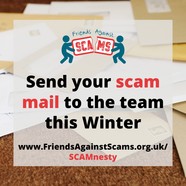
If you, or someone you know has received some scam or nuisance mail, the National Trading Standards Scams Team wants to see it!
Every day criminals send scam mail to UK residents, frequently targeting people who are over 65 years of age. There are many types of postal scams including fake lotteries or prize draws, fake psychics and investment scams. All have the aim of obtaining money from the recipient using deception or fraud.
Throughout December, you can send any scam or nuisance mail to National Trading Standards Scams Team FREE of charge. Simply send to:
FREEPOST, NTSST, MAIL MARSHALS (no need for a stamp)
So, if you're visiting loved ones this Christmas, why not have a chat with them about scams and join the scamnesty!
|
Microsoft Office scam

Computer users are being warned to be on the look-out for fake Microsoft Office products that are being sent out to people in an attempt to defraud them.
The counterfeit packages have been produced to a convincing standard and contain an engraved USB drive, alongside a product key. However, the USB will not install any software when plugged into a computer, instead it will direct the victim to call a fake customer support line. Once connected to the fake phone line, users will be given instructions that will allow criminals to access and control their computer.
While it’s always nice to receive an unexpected present in the post we would urge you to be suspicious of packages that are delivered that you have not ordered or requested.
|
Bank scammers arrested in UK’s biggest anti-fraud operation

Last month the Metropolitan Police made over 100 arrests following the UK’s biggest ever fraud operation. It is believed that there were more than 200,000 potential victims who were targeted through the fraud website iSpoof. The criminals behind the fraud posed as representatives of banks including Barclays, Santander, HSBC, Lloyds, Halifax, First Direct, Natwest, Nationwide and TSB. It’s estimated that they may have stolen £50m or more from victims.
If you receive any unexpected calls asking for personal details, including calls from your bank, our advice is to end the call immediately. We would then recommend contacting the bank, or organisation in question using their official contact details. If it is a bank, these can usually be found on the back of your Debit or Credit card.
Alternatively, you can contact your bank by dialling 159 from your phone. Many banks are now part of a new project called Stop Scams UK. Calling 159 will allow you to be connected to your bank’s fraud team who will be able to offer further advice.
|
What to do if you are scammed

With criminals turning to more and more sophisticated and elaborate ways to carry out fraud, we know that anyone can be the victim of a scam. If you are tricked into giving your financial details or paying money to a fraudster it’s important to act quickly and contact your bank and tell them you have been the victim of fraud.
The National Trading Standards Scams Team has also produced a reimbursement toolkit to help people apply to their bank or building society to ask for their money back if it has been lost to a scam - that is you have been tricked into paying money to someone who was not who they said they were, or who never intended to provide the goods and services that they promised.
|
|
|
|
|





