|
The current LSCB priorities for 2016-2017 are:
- Reduce the harm from child sexual exploitation
- Reduce the harm to children from domestic abuse
- Enhance children's emotional wellbeing and resilience
The LSCB Annual Report will be released in September 2017 which will contain the priorities for 2017-2018. This will be made available on the LSCB website: www.northlincslscb.gov.uk
Both the ‘Wood Report: Review of the role and functions of LSCBs’ March 2016 and the government’s response were published in May 2016. The Wood Report suggested changes in respect of strategic and statutory arrangements for the organisation and delivery of multi-agency arrangements to protect and safeguard children. The report also called for greater flexibility regarding local arrangements and that the three key agencies – the local authority, health and the police should determine the multi-agency arrangements for protecting and safeguarding children in their area. The proposed legislative changes for LSCBs are contained within the Children and Social Work Act 2017 which received royal assent on 27th April 2017.
The Act contains new local and national practice learning reviews to replace Serious Case Reviews and reform of the Child Death Overview Panels. Also within the Act there are important changes in legislation to social work regulation, care leavers, the statutory inclusion of personal, health, social and economic (PHSE) education in schools and other measures.
The government will establish a national Child Safeguarding Practice Review Panel to identify serious child safeguarding cases which raise issues that are complex or of national importance and where appropriate arrange for reviews to be completed under their supervision and published. The purpose of reviews is to identify any improvements that should be made by safeguarding partners or others to safeguard and promote the welfare of children.
Local arrangements for safeguarding and promoting welfare of children will be carried out by three safeguarding partners (local authority, Clinical Commissioning Group and chief officer of the police) for a local authority area in England. These must make arrangements for the safeguarding partners and any relevant agencies that they consider appropriate, to work together for the purpose of safeguarding and promoting the welfare of children in the area.
This allows for streamlining multi-agency working and the LSCB has started to prepare transitional shadow arrangements ahead of the forthcoming statutory guidance. This will include a re-write of Working Together to Safeguard Children which is expected to be available for consultation in autumn 2017.
With the vision SAFE Children SUPPORTED Families TRANSFORMED Lives we agree to offer early help at the earliest
point and lowest level of service required to improve outcomes for
children. Local principles of early help include:
-
supporting children and families to find their own solutions and help them build support networks within the community
-
working with the views and experience of the child and family, being solution focused and building on the strengths of the child and family so that they can be independent of services
-
being clear in our work with children and families about the intended outcomes and how to achieve these
-
providing a reflective approach to supervisory oversight across agencies
- understanding thresholds and applying the threshold document across all services including those which are commissioned
Supporting documents and guidance are also available on the LSCB website http://www.northlincslscb.co.uk/professionals/policies/early-help/helping-children-families-threshold-document/
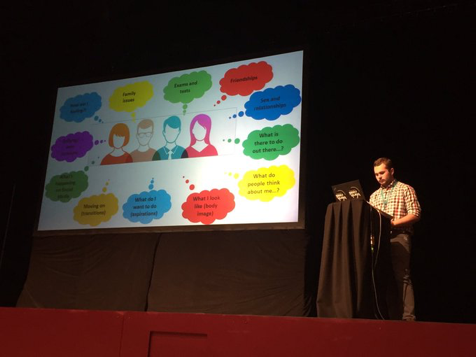
There were 130 people who attended the LSCB Conference on Messages from Research in Practice: A Focus on Adolescents in March 2017.
The North Lincolnshire Director of Children and Community Resilience, Mick Gibbs formally launched the LSCB Helping Children and Families (Threshold Document 2016/20) at this conference to set the focus on working with adolescents within the wider local context. Research highlights weredelivered by the Director of Research in Practice, Dez Holmes. The Young Mayor, Cameron McFarlane presented the North Lincolnshire Youth Council’s perspective on young people. Research calls for changing the narrative and language about young people and the ways in which people work with/care for teenagers based on an understanding of adolescent development and attachment, the risks that they ‘face’ rather than the risks that they ‘take’, developing their resilience and self-efficacy.
Three key areas for further development during 2017/18 are:
• CSE toolkits will be critiqued and reviewed. The challenge raised at the conference was whether these are the right toolkits to use with children and young people. Some toolkits are better than others and the revised government guidance on child sexual exploitation and a recent study by Coventry University will inform revision of locally used toolkits so that they are currently evidenced based. This work will be undertaken as part of the CSE Action Plan for 2017/18.
• Review of the language, narratives, images and perceptions about adolescents. ‘Risk facing’ communicates that we are not holding young people to account for their behaviour. We have to understand the concepts and use of ‘resilience’, ‘self-efficacy’ and ‘relationship based’ and develop them as real golden threads for working with young people. The Young Mayor referred to participation as a right just as protection is a right and both are part of resilience.
• Agencies, services or teams to consider the use of the seven principles tool to audit and action plan about their approach to adolescents. Agencies need to make their work personal to young people and look for strengths and solutions that are meaningful for young people and families.
The LSCB has evaluated 8 children's cases in March 2017 based on children living with neglect.
The feedback from Board members about the value of the audit/evaluation process and Line of Sight meetings has been:
• further improvement in the quality of the audits from a range of different agencies
• case evaluations are beneficial for staff to discuss detail before the Line of Sight meeting and have created a forum for ‘safe challenge’
• impressed with the dedication of practitioners
• staff have appreciated opportunities for multi-agency approaches and feedback over time suggests that they value the line of sight meetings
• reflective learning by the multi-agency team was amplified throughout the process
• forms part of the Board’s commitment to continuous improvement.
Feedback from
professionals has included:
“The line of sight meetings provide an opportunity to reflect on
practice in a multi-disciplinary way with the practitioners 'on the ground'.
This allows for effective challenge but also creates a sense of ownership;
pride and togetherness when showcasing the important work that agencies
undertake to keep children safe”.
What is the impact of the Joint Case Evaluation process and Line of Sight Meetings?
Information from Joint Case Evaluation meetings has demonstrated that:
Referral, assessment and management of risk
• Referral, assessment and management of risk were timely and appropriate across all agencies
• Strategies for reducing risk involved educating and empowering parents
• Strengths of extended families have been maximised
Decision making
• Evidence of multi-agency decision making within assessments, child protection and child in need plans
• Timely decisions which matched the risks and needs - responsive to changing needs
Planning, intervention and reviewing
• Plans were developed with clear outcomes - regularly reviewed
• Plans were dynamic and the pace of plans was proportionate to the needs and level of risk assessed
• Agencies are clear of their expectations within plans - tasks are shared and the child/family are included in planning
Voice of the child
• Views of children and young people were evident within case records: assessment, plans and reviews
• Children’s presentation was considered alongside wishes and feelings
• Children’s needs and experience influenced plans, approach to work and type of support provided
Partnership working
• Multi-agency communication and engagement was a key strength locally
• High levels of collaboration and partnership working were in place
Good practice demonstrated by the multi agency team and identified by Board members at the Line of Sight meeting include:
• Recognition of the extra support necessary for the transition to secondary school
• Empathy and understanding of the parent’s perspective but never losing sight of what this meant for their parenting ability and the child, good post adoption work to support parenting enhancement, robust intervention work with grandparents, bronze/silver/gold model used to give clear goals regarding reducing neglect to parents in parent friendly language.
The areas of development identified by the Board members at the Line of Sight meeting and actions taken were:
Neglect
• Support implementation of the NSPCC’s Graded Care Profile 2 – Neglect Assessment Tool
This will be progressed during 2017 to develop a consistent model of assessing and intervening with neglect across the partnership – in the context of the Helping Children and Families (Threshold Document 2016/20) and North Lincolnshire’s Risk Analysis Framework.
Through the commitment to 'Young Voice' there are high levels of engagement and collaboration with children and young people in North Lincolnshire.
Stay Safe Conferences
The LSCB supports the annual stay safe conferences for primary and secondary school children invited from all schools.
What is the impact of the Staying Safe Conferences?
This year outcomes from the conferences ranged across ideas to tackle anti-bullying, lessons on mental health, poster ideas for sex and relationships education/drugs education and ways for children and young people to talk on a one to one basis and about how to use helplines such as the Samaritans or Childline.
Examples of impact of the wider engagement with children and young people?
- Photo story board for Skater boy on the Not in Our Community Facebook site written by young people to raise awareness of CSE amongst boys
- Positive Steps 2016 event shaped around the five themes within the ‘Positive Steps’ leaflet to give children, young people and families ideas about what things they can do and information they can access to improve their emotional wellbeing in a fun and interactive environment
through the Youth Council’s Positive Steps working group, young people have co-produced a young people’s version of the North Lincolnshire Emotional Health and Wellbeing Transformation Plan
- Life Central is a website and app that has been developed in collaboration with young people to offer emotional health and wellbeing support for children and young people across the area. It also provides targeted information and support for parents, carers and professionals
- The Youth Council took the lead for developing a social media charter for young people by young people about how to BE SMART online. The charter aims to guide young people on safe use of social media, as well as it being a useful resource for schools and parents.
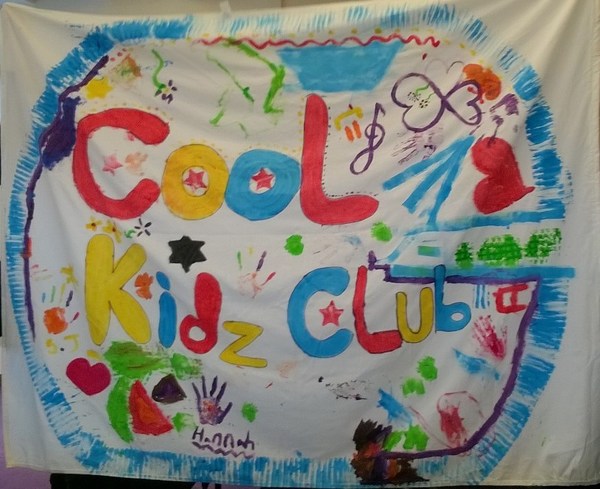
- The impact and outcomes of the Cool Kidz Clubs have included developing knowledge about healthy eating options, positive male role models, creating artwork for family rooms, developing confidence and expression through performances and sport, helping children to say what they think and how to keep themselves safe, linking the positive work into families and social workers getting to know children on their caseload better.
- During Corporate Parenting Week in November 2016 children in care and care leavers attended and contributed to a range of events and activities. These included the Round Table event with Corporate Parents, the Bake Off, the Five a Side Football competition, and the annual Awesome Kidz Awards combined with the talent show to become the Awesome Autumn Factor. Some of the key aims from the event were to celebrate the lives and successes of children in care and care leavers, to increase awareness of the challenges and opportunities for them and to understand what Corporate Parents can do to make a difference. Feedback from the event has been used to inform the development of the Corporate Parenting Promise and to help shape service provision, with the continuing involvement of the Children in Care Council.
- Engagement with children and young people promotes supportive relationships between young people, their families, peers and practitioners
- The Youth Council has previously produced informative DVDs for primary and secondary school children to let them know about the LSCB and how it works
 The LSCB has updated the following LSCB Multi Agency Policies and Procedures:
- Children who go missing from home or care protocol
- Children who go missing from home or care procedures
- CSE: definition and guide for practitioners, local leaders and decision makers working to protect children and child sexual exploitation
- Guidance on working with children and young people who are vulnerable to messages of extremism
- Guide on code of conduct for children working with children and young people
- Complaints procedure
- Good practice use of interpreters
These are all available on the LSCB website http://www.northlincslscb.co.uk/professionals/policies/
|
Places are available on these upcoming courses run by the LSCB:
- 18th July E-Safety
- 20th July Safeguarding Disabled Children
- 20th July Working with Challenging Families
- 18th September Attachment Training
- 21st September Neglect and the Impact on the Child
- 25th September Self-harming Behaviours and Suicide Prevention
- 25th & 26th September Child Protection Level 3 (2 day course)
If you would like to book on to a course please fill out the training request form on the LSCB website.
The new LSCB Training Programme for 2017-2018 is now available on the LSCB website http://www.northlincslscb.co.uk/professionals/training/.

NSPCC and O2 have
teamed together to launch a Share Aware campaign:
To kids, online
life is real life. And, just like in real life, kids need help to stay safe
online.
Share Aware is an
NSPCC and O2 campaign to help parents have regular and informed conversations
with their child about online safety. We’re aiming to get every family in the
UK chatting about their kids’ online world, just like they would about their
day at school.
We tell children
that it’s good to share, but online it’s different and sometimes it can be
dangerous. Through our straight-forward, step-by-step advice and Icebreaker
email series, we’ll show parents how to untangle the web and teach children how
to make the right decisions online, even when parents aren’t there.
-
Our new TV ad – Safety advice from a 10 year old.
-
Icebreakers
email series – We’ve teamed
up with O2 to create a bespoke email series full of tips and information
on different issues eg cyberbullying and inappropriate content, with
activities parents can complete with their child.
- Family agreements – We have created a downloadable
family agreements document for families to complete and fill in together.
-
Share Aware homepage – Read our step-by-step guide to being Share Aware and our TEAM
(Talk, Explore, Manage, Agree) framework on how to stay safe online in
four simple steps.
-
Net Aware – Our guide to the most popular social networks
sites, apps and games that children use. New sites site such as Musical.ly, Kiwi and Pokemon Go have been added this year, along with a breaking news page and top tips from O2 Gurus on blocking, private account settings or
in-app purchases. The new Net Aware can be downloaded on both iOS and Android.
-
Teaching resources – Download Share Aware teaching resources for use in the classroom.
-
Specialised advice –
Advisors at our O2 & NSPCC Online Safety Helpline – 0808 800 5002 – are
here to help with any questions, or anyone can make an appointment with a
Guru in store
|