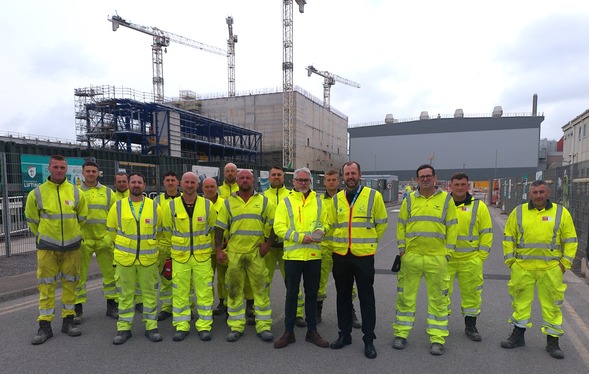
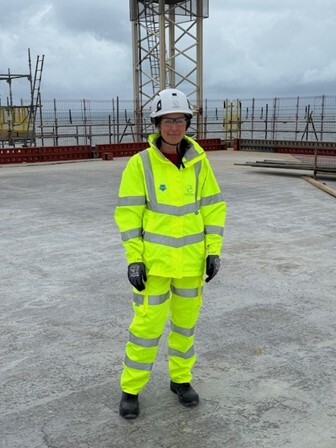
Daniel Gilks, senior project manager – MEICA & SPRS
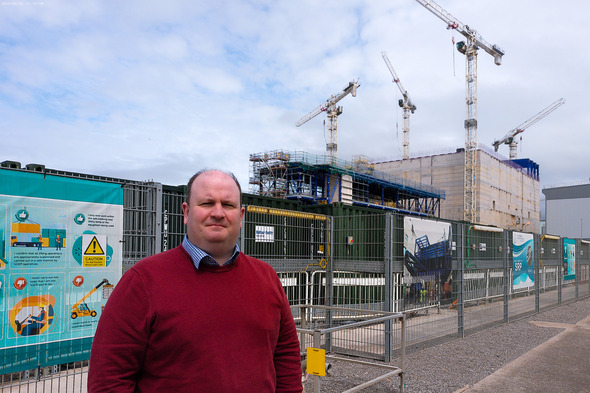 "The strength of SRP lies in its people: focused and committed to doing things right, while identifying and responding at pace on the occasion that things don’t go to plan.
"Every day is a chance to keep each other safe, support one another and make sure we all go home to our families at the end of the day. That’s what matters most. This is only possible through the strong relationships we’ve built across our large and growing supply chain.
"As we progressively move from being a large-scale civils site, to a mixed discipline site and towards a focus on MEICA installation, it’s key that we maintain that focus and continue to deliver safely and successfully together."
 Off-site glovebox testing: CTC1 handover marks major step forward for SRP
Our Sellafield Product and Residue Store Retreatment Plant (SRP) will safely receive special nuclear material packages from existing storage locations across the Sellafield site before retreating them into new 100-year packages for safe storage.
The SRP facility will enable all special nuclear materials to remain safe and secure in its store into the next century and beyond, and therefore plays a key role in delivering Sellafield’s purpose to create a clean and safe environment for future generations.
In May 2025, the new-build plant hit a major milestone when its process building became weathertight. The plant has now entered a new delivery phase to progress its internal and mechanical fit-out, pushing it closer to active commissioning and operations in support of the government’s plutonium disposition strategy.
The facility will contain a number of glovebox lines which are currently being manufactured and tested off-site before being installed in the facility in the coming years. The plant is set to be commissioned in late 2028.
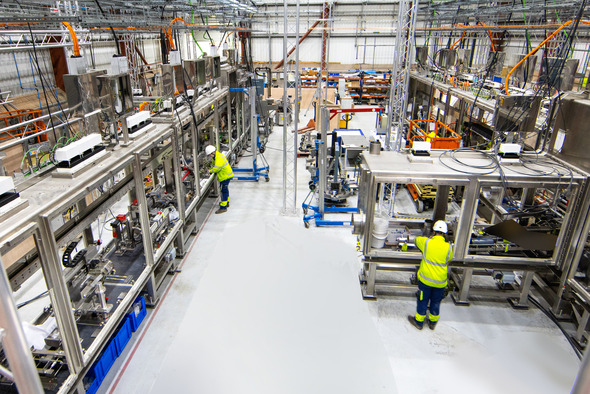
The 400 system process line at NIS.
The group 400 system process line will include a total of 12 gloveboxes, this 23-metre-long repackaging line will deal with a total of 13,923 packages from THORP, Magnox & Sellafield Mox Plant (SMP) Hybrid packages.
It will then be processed into a new product package that is capable of meeting the conditions for acceptance (CfA) of the SPRS store.
This makes up 45% of SRP’s overall throughput.
There are a total of five systems in group 400
-
System 400 - Repack Line 1 Package Transfer.
-
System 401 - Repack Line 1 Glovebox Can receipt and opening.
-
System 406 - Repack Line 1 Can Weigh & Cap Insertion Glovebox.
-
System 407 - Repack Line 1 Intermediate Can Handling Enclosure.
-
System 408 - Repack Line 1 Outer Can Weld & Inspection.
One important step in making this happen is the successful handover of CTC1 (Custody Transfer Certificate 1), marking a significant part in our commissioning journey.
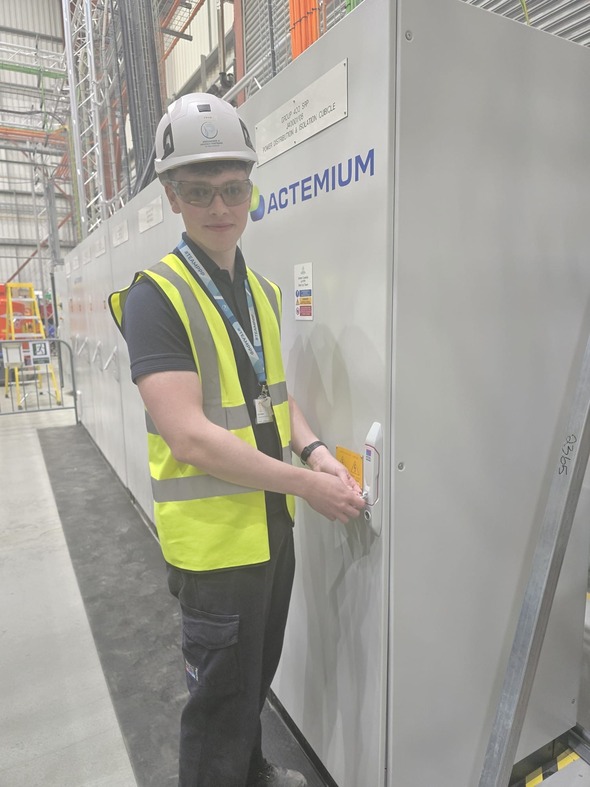
Commissioning apprentice Zack Mason putting the first lock on the Control Systems Panel Suite.
What is CTC1?
CTC1 refers to the transfer of Group 400 main power and control system cabinet suite from the manufacturing and assembly team to the commissioning teams. In practical terms, this handover marks the start of bulk offsite commissioning for SRP.
Who is involved?
The handover is the result of close collaboration between our supplier NIS (based in Chorley,) PPP Aligned Delivery Team (ADT), including project management, design and commissioning teams. These teams have worked side by side to prepare for this significant transfer of responsibility.
What is being handed over?
The handover includes control cabinets which are essential to the operation of the new Retreatment Plant. These cabinets enable the next stage of offsite testing and commissioning to begin.
Why does this matter?
This handover signals the start of a critical 12-month offsite testing schedule. The work will be split across two Integrated Works Testing (IWT) facilities, NIS in Chorley and Ansaldo in Wolverhampton. This will unlock the next phase in preparing the plant for operational delivery.
Manufacturing of the CTC1 equipment has been ongoing for approximately two years across the UK supply chain, with commissioning activity now scheduled to run for the next 12 months before delivery to site.
What comes next?
Following this handover, commissioning will commence in earnest at the Integrated Works Test (IWT) facilities. Equipment will be released in phases, supporting structured and efficient progress through the testing programme.
Chris Jones, SRP Fitout/MEICA installation project manager, said:
“This is a truly major milestone for the project. It marks the first significant step, from design/manufacturing and assembly, into commissioning for the gloveboxes - the heartbeat of the operational plant.
"Getting to this stage has been a tremendous effort from the team (PPP and supply chain) who have worked collaboratively and tirelessly throughout the previous phase.
“That is a fantastic effort. Thanks very much to all involved. I am really pleased with this result. This should pave the way for future CTCs and marks the start of the next phase of the project for this significant scope.”
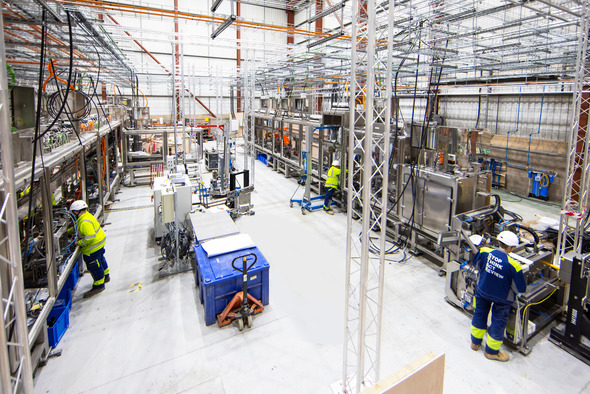
The 400 (left) and the 410 process line (right).
The team has already made key decisions to accelerate progress. For example, by splitting the handover and prioritising facilitation works, they were able to bring forward the start of IWT. Setting up the permit office, safe system of work and careful planning also helped mitigate risks and maintain momentum.
The glovebox systems are the result of world class manufacturing, with a multitude of global suppliers working together to deliver its many components.
- Five commissionable systems.
- 40 electrical panels and four process cabinets.
- 32 machines.
- 26 junction boxes.
- 616 inputs/outputs (I/O) an indication of how complex a system is.
- 392 commissioning tests, captured in 61 commissioning worksheets.
CTC1 is the first handover of a series, which when complete, will signify the milestone Completion of Group 400 Manufacture & FAT to commence energised IWT.
Scheisy Ferrer, package manager, said:
“This achievement is the result of thousands of hours spent designing, planning, documenting, procuring, installing, testing, inspecting – and managing expectations, emotions, and stakeholders. It’s a true testament to the hard work, professionalism, and resilience across the entire team.
“I’m incredibly proud of the quality of both our people and the work we’re delivering. While the journey hasn’t been without its frustrations, it’s clear that everyone is pulling in the same direction – committed to delivering results and doing the job well.
“I’d also like to acknowledge the continued efforts across our FAT scope – in all areas but particularly design, assembly, and testing – which remain critical to our overall success.
“Your dedication and attention to detail are key to keeping us on track and overall collective success.
“Let’s keep this momentum going. We still have a lot to deliver – safely, on time, and to the required standard.”
 4,900 individual pieces of steel to build SRP’s Plantroom
Steel erection has begun on SRP roof.
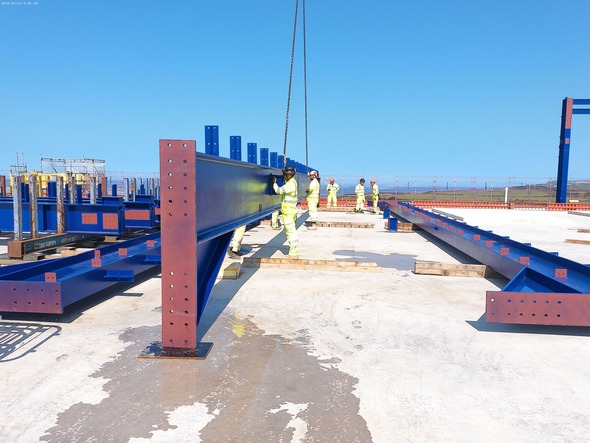
Steelwork erection has begun on our SRP Treatment Plant Room, a two-storey structure that will house essential building services such as fans, filters, and air handling units. Once fully clad, the structure will take the building height from over 29 metres to more than 38 metres.
This new phase of construction started on 16 June and is expected to last for around three months. Located on the slab, the frame will be built with over 4,900 individual pieces, around 500 tonnes of steel - roughly half the weight of the Eiffel Tower!
Some of the 4,900 individual pieces of steel needed to build the plant room.
The work is being delivered through close collaboration between several of our supply chain teams. Severfield are leading the steel erection, with Mammoet carrying out the lifts, and engineering checks being completed by the project team.
Once the steelwork is complete, cladding will be installed by Curtis Moore.
The plant room build will run alongside construction of the east corridor, with coordination already underway to support the delivery of key plant equipment that will eventually be housed inside the structure.
Gerry Coan, construction manager, said:
“Erection has started well, taking advantage of some good weather conditions.
“We’ve got strong coordination across the teams involved and it’s helping us maintain momentum from the outset.”
Scaffold removal continues and east side enabling works underway on SRP
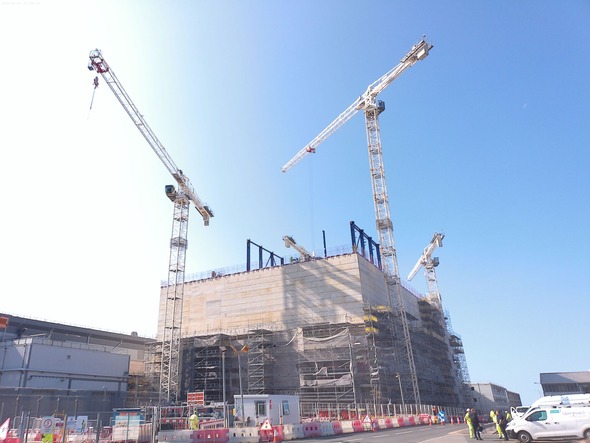
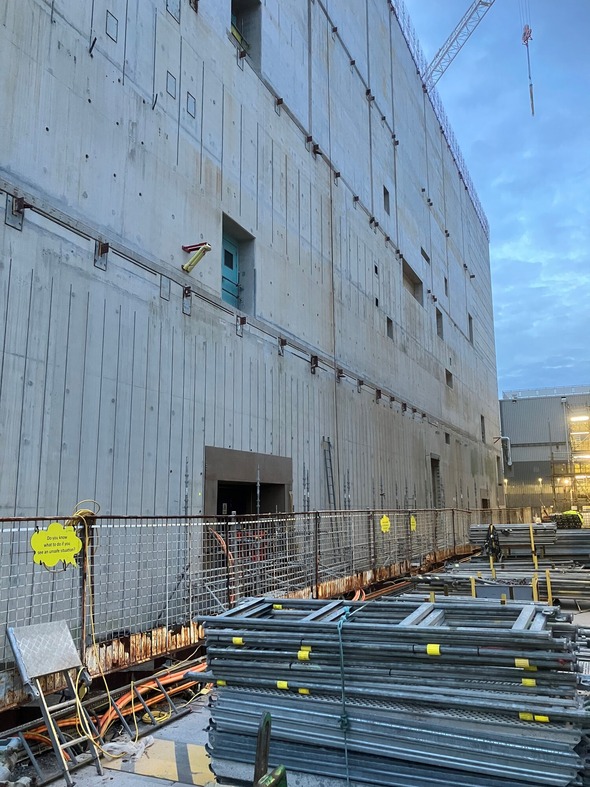
Scaffold removal on our Sellafield Product and Residue Store Retreatment Plant (SRP) process building continues to make steady progress as the team works day and night around the structure, dismantling elevations, staircases and bays.
Our tower cranes continue to support safe removal, as scaffold boards and tubes are carefully dismantled, stockpiled and lowered by the site lifting team, then stored at the north scaffold yard.
Scaffolding removed on the south east side of the process building.
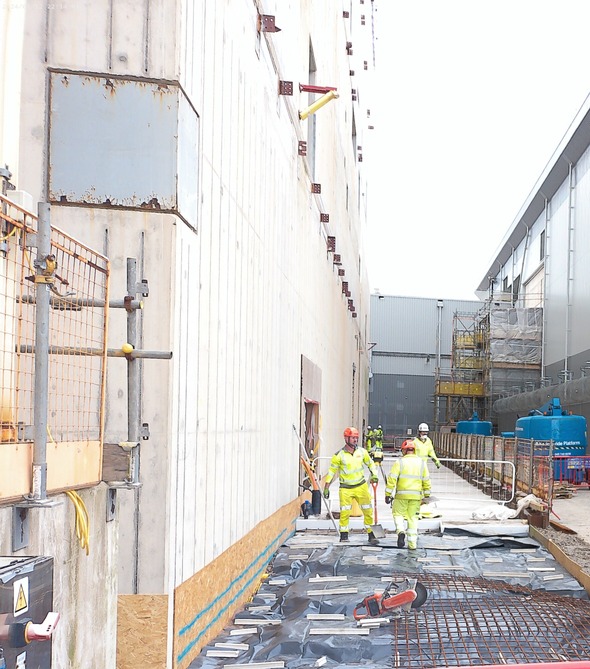
Removing the scaffold has enabled further construction activity on the east elevation of our process building. Ground preparation is underway, marking the start of a key phase that includes re-routing of temporary electrics and levelling the ground around the building.
The team has recently started with installing a working platform for construction of the east-side outer corridor.
This early work supports access to structural steelwork at high level and will see the use of “cherry pickers” with a reach of up to 50m high.
This will unlock the next major stage, installing steelwork and decking on the east, and ties-in with the structural steelwork which is being installed concurrently at roof level.
Ground preparation is underway on the east elevation of our process building.
The work is being led by the process building and welfare building, reinforced concrete and structural steelwork teams, and the wider supply chain, including Severfield, Sir Robert McAlpine (SRM) and Curtis Moore.
Giuseppe La Vigna, project manager, said:
“The next few weeks will see some noticeable changes to the exterior of SRP as major structural steelwork is installed on the east elevation and roof, making the building both higher and wider.
"This work will be another milestone and shows the continued collaborative working across the project team and its partners.”
CCTV installed on SRP
CCTV is being installed on our project as a deterrent against theft and vandalism on the SRP construction site, following lessons learned from the Box Encapsulation Project Delivery Team (BEPDT) project.
The CCTV systems within SRP and B1668 are operated solely for the safety and security of personnel, and to protect the assets of both SRP and the NDA. These systems continuously record digital images, including the time and date, in the areas they cover. Although the footage is not monitored live, it can be reviewed to investigate incidents and gather evidence if needed.
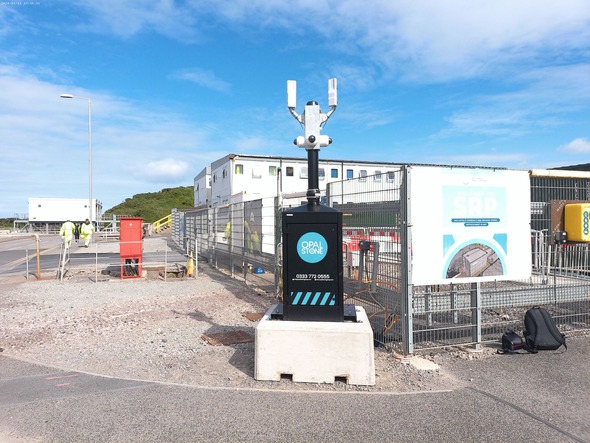 All cameras operate around the clock, every day of the week, providing image quality sufficient to identify individuals within their range. Cameras are strategically placed in visible locations to fulfil their security purpose, while avoiding areas not intended for surveillance. They will not be installed in places where people expect a high degree of privacy, such as changing rooms or toilets. The camera viewing angles are being agreed upon with the Sellafield Protective Security Manager to ensure appropriate coverage. Clear signage is displayed in monitored areas, indicating that CCTV is in use, explaining its purpose, and providing contact details for the system’s responsible person.
SRP does not use high-tech or intelligent video-surveillance technology, does not interconnect the CCTV system with other systems, and does not use covert surveillance, sound recording, or ‘talking’ CCTV.
CCTV images shall be retained for 1 month before being overwritten, unless an incident is recorded which requires further investigation and retention.
Kathryn Rigg, Work Package Manager said:
"As the Work Package Manager overseeing the CCTV installation, my focus has been on ensuring our site remains safe, secure, and protected at all times. By deploying high-quality, state of the art cameras, we’ve not only created a strong deterrent against theft and vandalism, but also ensured we have the clarity and coverage required to identify and respond to any incidents swiftly. The installation of CCTV has given everyone on site the confidence that their safety, and our assets, are a top priority."
Office for Nuclear Regulation visits our SRP project
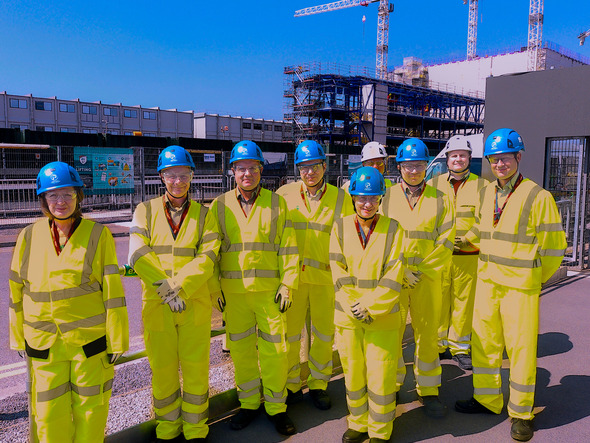
L-R Dr Nicola Crauford, ONR chair; Chris Train, Sellafield Ltd chair; Paul Dicks, Decommissioning, Fuel & Waste Directorate; Euan Hutton, CEO Sellafield Ltd; Pamela Duerden, SHEQ Director, Sellafield, Roderick Miller, COO Sellafield Ltd and Gary Cook, principal nuclear safety inspector, ONR.
Dr Nicola Crauford, the chair of the Office for Nuclear Regulation (ONR), visited Sellafield with colleagues for a look around some of our key facilities.
ONR is the UK’s independent nuclear regulator for safety, security and safeguards, and Dr Crauford took the opportunity to meet some of our employees who are making progress in decommissioning and clean up in the Magnox Swarf Storage Silo facility (MSSS).
The visit also included a look around the Sellafield Retreatment Plant (SRP) construction project and the Main Site Command Facility.
Chris Train, Sellafield Ltd’s chair, said:
“We were delighted to host a senior delegation from ONR. Joint collaboration with our regulators is helping to ensure that we are making strides in cleaning up our site, and we highlighted on-going activities such as MSSS, the most hazardous building on the site, where we are removing the waste and putting it in modern, safe containment packages.”
 Celebrating going above and beyond with Knowingly Safe awards
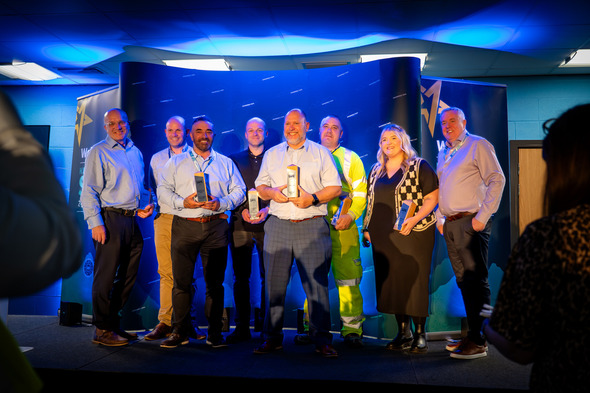
Our SRP Knowingly Safe 24/7 Awards winners, from left to right: John Leslie, John Dunleavey, Paul McCreery, Luke Messenger, Kent Fearon, Robert Mellon, Danielle Bailey and Tom Hill.
Safety is at the heart of everything we do across our Major Projects – it drives our decisions, actions and culture.
The Knowingly Safe 24/7 Awards shone a light on those who truly embody championing safety across our projects and supply chain.
Boots on, Switch on PPI Award: Severfield
Knowingly Safe Supervisor: Robert Mellon
Knowingly Safe Innovation Award: I3 Coating Team
Courage to Care 24/7 Award: Danielle Bailey
Knowingly Safe Supply Chain Award: NG Bailey
Knowingly Safe Leader: John Leslie
Delivery director, Steve Harnwell, attended the awards and said:
"What's important is that we do recognise good safety behaviours and where people, most of the time, will do everything right and keep people safe.
"Sometimes we get too focused on the negative side of safety where somebody is hurt, or something hasn't gone to plan.
"It's really important to look and learn, but what we shouldn't lose sight of is when people are doing it well, and we should thank people for it because that's how we get a better culture, a better attitude and ultimately a better form of safety."
SRP stand down reinforces importance of PPI
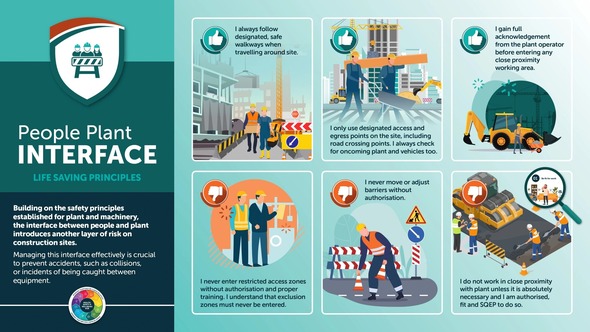
In an industry where people and machinery operate side-by-side every day, reinforcing the importance of the People Plant Interface (PPI) Life Saving Principle is essential to keep us Knowingly Safe.
Recently, our SRP project team paused operations for a Safety Stand Down, focusing on PPI, bringing together teams from across our supply chain to focus on staying safe around plant and equipment.
Companies across the project set up practical PPI stations, with live demonstrations of operations, showcasing systems, technologies, and behaviours used to manage and mitigate PPI risks.
From spotter communication methods to proximity sensor demonstrations, each session offered hands-on, real-world insights into preventing harm where it matters most.
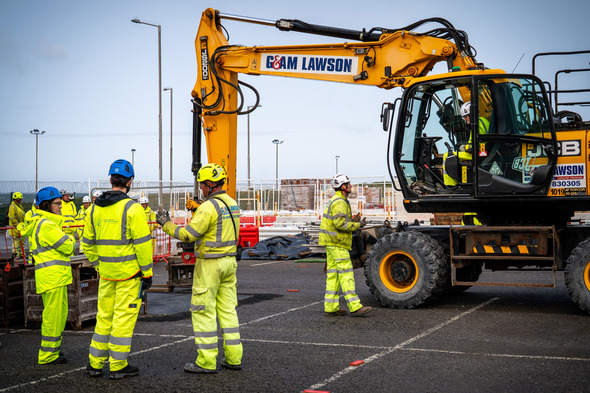
Andrew Lawson (centre) discussing the Spillard PPI system with the machine driver.
Andrew Lawson was demonstrating the Spillard PPI system which helps reduce plant-related risks by alerting both vehicle operators and personnel when they are in proximity to moving equipment.
He said:
“The most important thing to me about PPI as a plant operator is people sticking to footpaths and not encroaching on work areas. People can sometimes come into areas that they don’t need to be in. Stick to the footpaths and you won’t come into contact with the plant.”
Mark Atkinson, SRP health & safety manager, said:
“To enhance site safety and operational understanding, the SRP People Plant Interface (PPI) Safety Stand Down was organised with a strong emphasis on being contractor-led, ensuring that the valuable expertise and real-world experience of our plant operators and contractors were at the forefront.
“The day focused on engaging directly with those who work daily with plant machinery, using their insights to identify key interface risks, share best practices, and develop practical solutions for improving safety around plant operations.
“Refresher training, demonstrations, and open-floor discussions allowed contractors to lead the conversation, demonstrating best practice whilst giving voice to those most affected by PPI challenges.
“Recognising the size and influence of our management team, we also arranged for a plant simulator to be positioned on site for two days. This provided non-operational staff with a hands-on opportunity to experience the challenges of operating heavy machinery within the constraints of a tight, live construction site.
“The simulator exercise significantly improved empathy and understanding of the spatial awareness, concentration, and skill required to operate plant safely in dynamic environments. This is understanding is key for safely planning future works.
“The Stand Down promoted collaboration, strengthened relationships between management and site teams, whilst reinforcing our commitment to safety through mutual respect and shared learning.
“I would personally like to thank everyone involved with the Stand Down.”
Greg Doran, SRP SHE lead, added:
“Following the Stand Down, the SRP leadership team took the opportunity to mandate close proximity working by exception only, for example, for specific and very necessary reasons and this will be implemented from 9 June.
“The reason for the mandate is to discourage people from defaulting to close proximity working initially; instead, we believe people and plant should be separated wherever possible.
“However, we also recognise that there will be exceptions where people and plant need to interface due to the nature of the task.”
Steve Harnwell, delivery director, said:
“On busy construction sites, like SRP, where we are doing 5.2 million hours of high hazard construction work, one of the biggest risks to people is moving machinery, whether you are using it or are a pedestrian on the site.
“It’s important to follow our Life Saving Principle for PPI. We have segregated walkways to protect people from moving vehicles but, equally, if you are involved in the work, it’s important to follow the rules around the safety measures that we put in place.”
Powerful PPI demonstration highlights the dangers of falling objects
As part of our continued focus on the Plant People Interface (PPI) Life Saving Principle, teams gathered recently for a live safety demonstration on our SRP project led by John Dunleavey, SHE advisor for Severfield, part of our supply chain.
Held on site, the demonstration was attended by around 40 members of our workforce including operatives, supervisors, and safety advisors, many of whom regularly work in close proximity to plant and machinery.
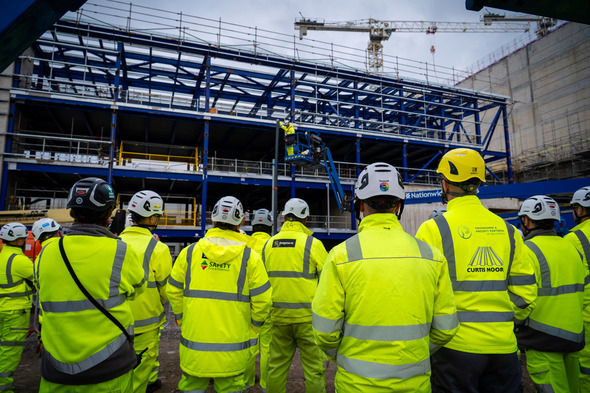
SRP teams gathered for live safety demonstration.
The purpose of the demonstration was to show the serious risk of entering a live PPI zone.
Using a MEWP, operating at approximately 10 metres high, the session highlighted what can happen if an operative walks into an active exclusion area beneath plant or equipment.
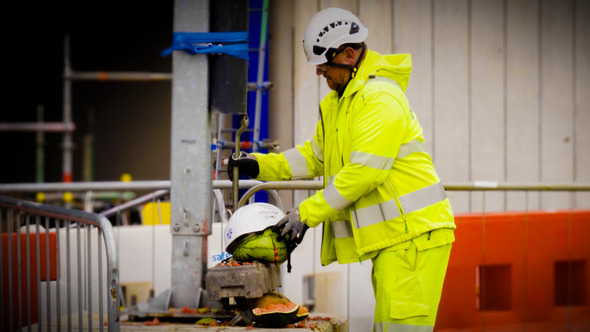
Watermelons were used to replicate the impact of falling tools or materials. The effect was immediate and powerful, clearly showing the force a small item can generate when dropped from height.
It reinforced the risk of serious injury or fatality for anyone who enters a restricted zone without authorisation or without the correct controls in place.
Watermelons replicating the impact of falling tools.
John Dunleavey said:
“This was not about shock tactics. It was about showing the real-world effects of what happens when we do not follow basic control measures. Seeing the damage caused to a watermelon helps make that risk tangible. We need everyone to respect exclusion zones and think twice before walking into a live work area.”
Anna Henney, NG Bailey trainee safety advisor, added:
“As safety professionals, we talk about the hierarchy of controls and the importance of physical barriers, but seeing it demonstrated like this really hit the message home.
"You cannot watch that and not think about how easily someone's life could change from a single mistake. It is a behavioural safety moment that sticks with you. Everyone on this site has a role to play in keeping each other safe. At the end of the day, the goal is simple, we all go home safe.”
Mark Atkinson, SRP health & safety manager, said:
“People Plant Interface (PPI) and falling objects remain one of the leading causes of serious injury and fatality in construction. This demonstration forms part of a wider campaign to reinforce the importance of maintaining clear separation between people and plant.
“Whilst the focus has been on PPI, we thought it would be pertinent to refresh the falling objects risk associated to the works, because the segregation serves two purposes for this scope of work."
Feedback from those in attendance was positive, with many commenting that the demonstration made the risks more real than any poster or briefing ever could.
This session is another example of how we are putting real safety conversations into practice, bringing people together, using simple visuals to reinforce serious messages, and making sure our workforce stays Knowingly Safe.
The Life Saving Principles were launched by the Health, Safety and Wellbeing Hub to supplement our Golden Rules.
To access materials relating to the Life Saving Principles you can go to: Life Saving Principles - All Documents or here: MoC Website: Folder ‘Life Saving Principles’.
SRP Safety Energy contractor of the month: Altrad
The SRP Altrad team.
Congratulations to Altrad, this month’s Safety Energy contractor of the month on our Sellafield Product and Residue Store Retreatment Plant (SRP) project. The award was presented by Jon Muir, SRP construction manager.
Altrad earned this recognition for their open and honest approach to safety. The team used a section of the recent PPI Stand Down to reflect and share key lessons.
This level of transparency and learning demonstrates Altrad’s commitment to safety and their proactive attitude to maintaining high standards on site.
Jon Pyne, Altrad senior project manager, said:
"I’m proud of the team for stepping up and showing leadership during the PPI Stand Down. We didn’t shy away from a difficult conversation, we used it to reinforce our commitment to learning, raising standards, and most importantly, keeping people safe.
"Everyone on our team has a role to play in driving safety forward, and this award is a credit to their efforts."
Well done to everyone involved.
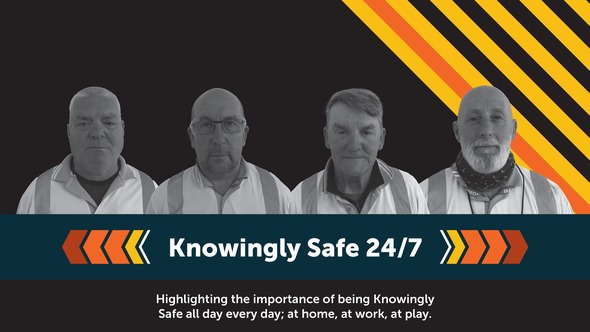
Knowingly Safe 24/7: The team that stepped up
What began as a typical workday on our project - a routine scaffold lift on the East Zone of the site - quickly took a dramatic turn.
The Mammoet lifting team, working as part of the PPP supply chain, were just finishing a planned lift using tower crane TC3 when the emergency unfolded.
The radio crackled to life with an urgent message: "Man down on the scaffold!”
 A scaffolder had collapsed without warning. And in that moment the lifting team shifted swiftly from routine to response – thanks to the on-site training they had received.
What followed was a textbook example of quick thinking and coordinated action.
Crane co-ordinator Liam Dobson was first to hear the call. Acting fast, he informed the incident controller that the rescue basket was available for use. Fortunately, the team had already fitted the basket earlier as a precaution. A decision that proved vital.
Liam said:
“We’d just finished a lift when the call came through. I told the lads to get the rescue basket on the crane, just in case, and let the incident controller know it was ready if needed.
“The training always sticks with you. You fall back on what you’ve practised. That’s what kept everyone calm. We knew what to do and how to do it."
Crane supervisor Bill Smith immediately stopped the job, briefed his crew, and got them into position. The team stood by, waiting for permission from the incident controller.
Bill added:
“We stopped work instantly. The basket went on and the crew got into place without hesitation. We just waited for the go ahead and carried out the lift.
“You have to keep up with the drills. Even if you never use it, when the time comes, it needs to be second nature. That’s what this team had – they were calm under pressure because of the work they had done beforehand.”
Slinger Michael Sice was on the scaffold during the lift. His quick reaction helped trigger the immediate stop and get attention to the collapsed worker.
Michael explained:
“I saw him go down and shouted straight away. We stopped the job and switched focus. Everyone just got on with it.
“That regular training gives you confidence. You don’t want to be figuring things out when someone is hurt. We knew what to do because we’ve done it before.”
Slinger Tim Justice had helped prepare the lift earlier in the day and made sure the rescue basket was attached before the job began – a proactive decision that made all the difference.
Tim said:
“We’d already fitted the rescue basket earlier that day. We said let’s get it on, just in case. It turned out that made all the difference.
“Knowingly Safe isn’t just a poster. It’s about being switched on and having each other’s backs. We train for this so that when it happens, we’re ready.”
The swift reaction was no accident. Regular rescue drills conducted on site played a vital role in preparing the team for moments like this.
These exercises not only sharpen response times but also reinforce our Knowingly Safe culture — ensuring that when real emergencies occur, everyone knows exactly what to do.
Every action, from early communication, proper use of equipment, instinct and working together when it mattered most.
When asked what advice they would give to someone in their position:
Liam Dobson: “Stay calm. Follow instructions. Be ready. That’s Knowingly Safe 24/7.”
Bill Smith: “Train like it matters, because one day it will.”
Michael Sice: “You don’t rise to the occasion, you fall back on your training.”
Tim Justice: “Look out for each other. That’s what this is all about.”
This real life rescue stands as a reminder of what Knowingly Safe 24/7 means on site. It shows that regular rescue drills, trust in your team, and clear communication can be critical, and can save lives when the clock is ticking.
SRP supply chain lead REAX rescue training demo
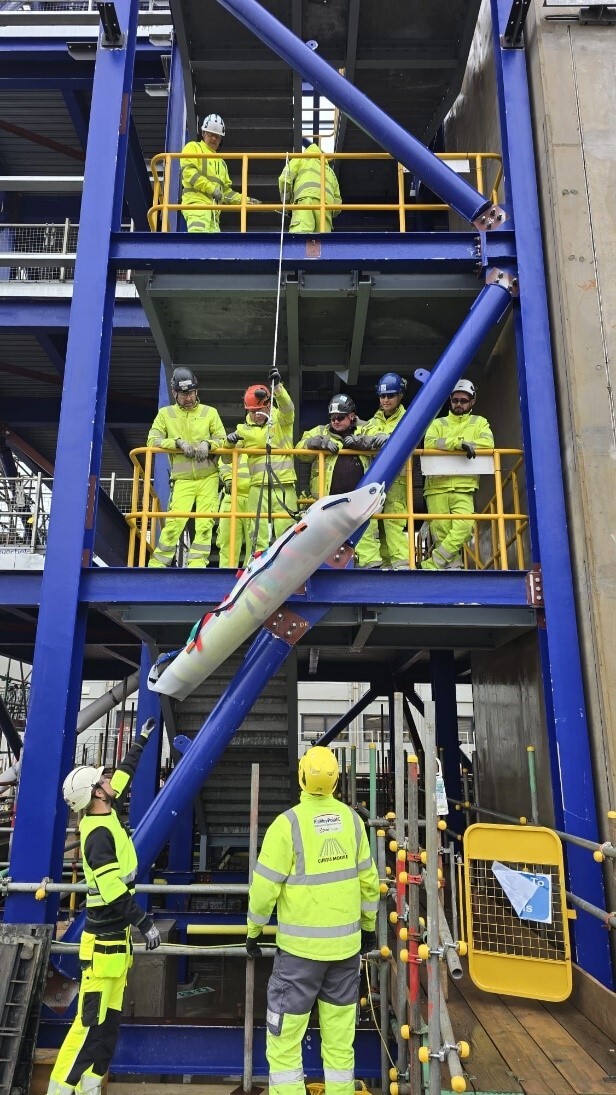
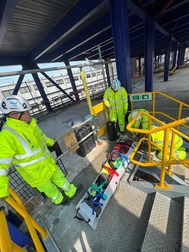
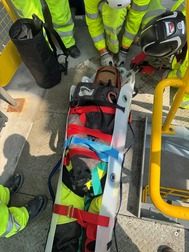
Recently, Severfield and Curtis Moore operatives, key members of our SRP supply chain, delivered a hands-on demonstration and training session on the use of REAX rescue equipment.
 |
|
The session was part of SRP’s ongoing commitment to high safety standards, and focused on ensuring operatives are trained and confident in using the REAX system, across varied work environments.
As part of this effort, 12 ‘train the trainers’ sessions have begun, delivering REAX rescue training across the project to strengthen response capability and consistency.
|
|
The REAX system is designed to be flexible and configurable, allowing teams to adapt it to different rescue scenarios as required.
The demonstration included a full tower crane descent and highlighted recent improvements suggested by operatives, such as using a dropped bag with a guide rope to avoid snagging, following a previous drill where the rope was affected by wind and caught on scaffolding.
|
|
 |
Mark White, SHE manager, said:
"This latest REAX demonstration shows how our supply chain partners are actively helping to raise the bar. The knowledge and experience shared by the Severfield and Curtis Moore teams give us confidence that rescue capabilities on site are robust and improving all the time.
"The willingness to reflect and adapt, from adjusting descent techniques to improving equipment handling, shows a safety-first mindset in action."
SRP conducts at least four rescue demonstrations per year, each followed by a team debrief to identify improvements. This structured approach continues to sharpen the project’s emergency preparedness across all disciplines.
Keep submitting observations to stay Knowingly Safe
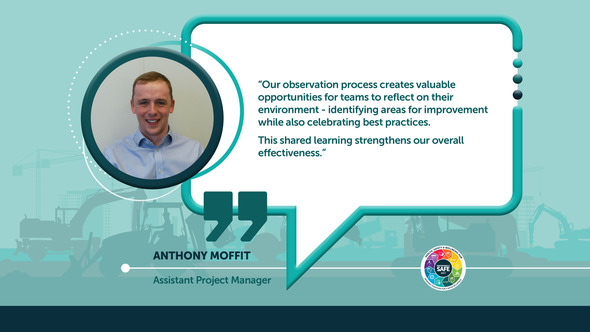 Observations and 'courage to care' conversations play a vital role in ensuring no harm comes to our people and promoting our Knowingly Safe culture on PPP.
|
Our observation cards were updated last year to include environmental, security and quality/nuclear safety categories, with the aim to make the scheme more accessible and inclusive for all.
To raise an observation you can either scan the QR code (right), fill in a report card situated at one of the reporting stations across our workplaces, or you can report online via the SharePoint Intranet.
|
|
 |
Fire marshal volunteers wanted on SRP
 We're looking for volunteers interested in becoming fire marshals on site. This is an important role in fire safety and emergency response.
Please contact clare.a.atkinson@sellafieldsites.com for more information.
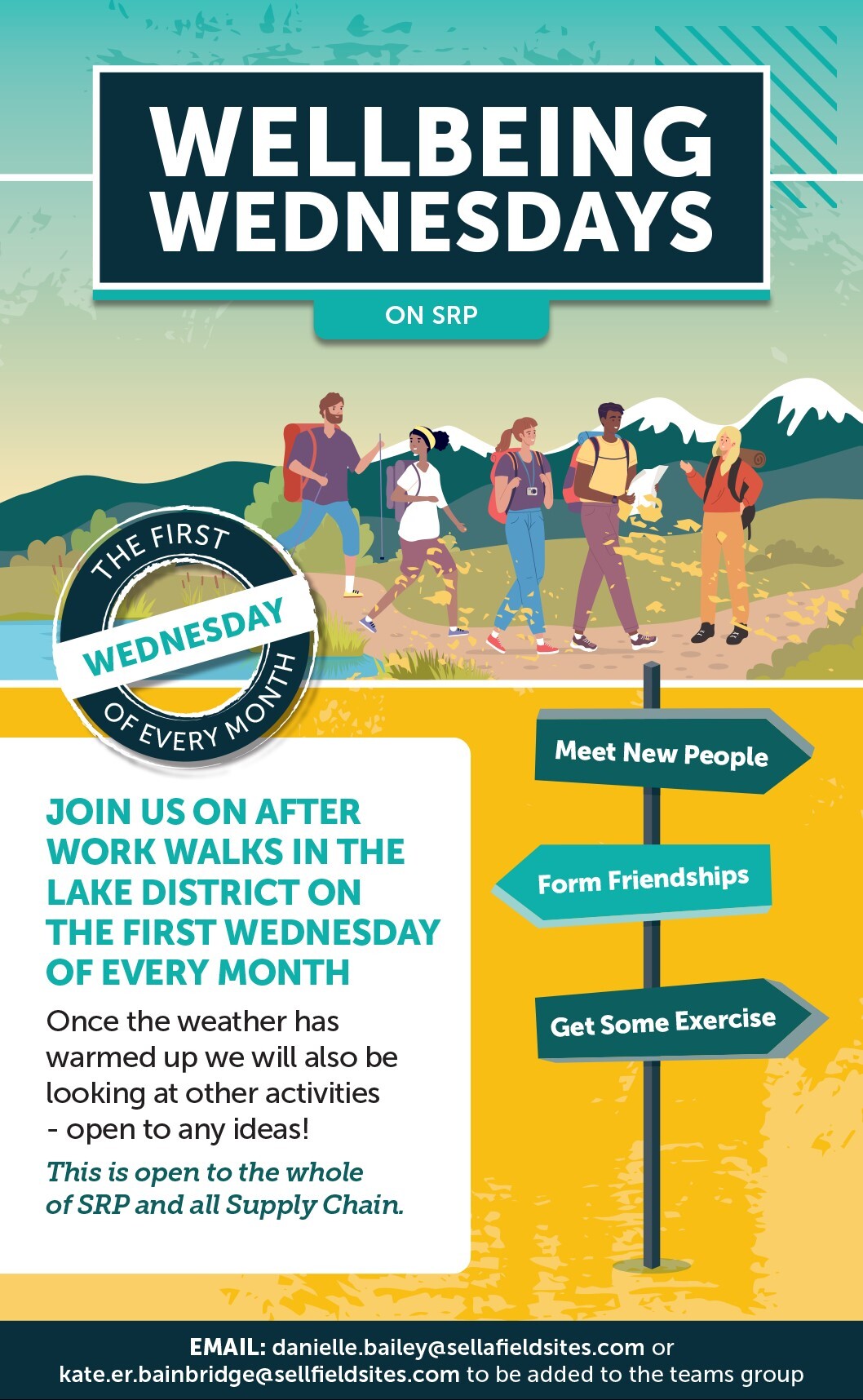 Wellbeing Wednesday walking group continues to grow at SRP
This initiative continues to be open to all across SRP and the wider PPP project, including our supply chain colleagues. It’s a great way to get outside, meet new people, and take a break from the day to day, all while doing something good for your physical and mental wellbeing.
Danielle Bailey, environmental advisor, who helps coordinate the walks, said:
“It’s great to see people getting involved and taking time out to connect with others in such a beautiful setting. We want this to be something everyone feels welcome to join, whether you’re part of SRP, the supply chain or from elsewhere on PPP.
"It’s a great way to meet new people and see new places in the Lake District.”
For more information on how to get involved please email danielle.bailey@sellafieldsites.com or kate.er.bainbridge@sellafieldsites.com
Promoting employee health checks on SRP
Occupational health nurse Val Saxon.
SRP is dedicated to promoting employee health through regular on-site health and wellbeing lifestyle clinics. The clinic, from UK Screening Solutions, led by Val Saxon, an occupational health nurse, offer comprehensive assessments including cardiovascular, respiratory, and diabetes checks, along with tailored lifestyle advice.
At the recent SRP clinic, 15 employees participated, receiving guidance on diet, exercise, and stress management. Feedback was overwhelmingly positive, with many appreciating the convenience of receiving health advice directly at the workplace.
The clinic provides critical data that informs ongoing health strategies and continuous improvements in our team's wellness. Our proactive approach not only identifies potential health issues early but also equips employees with the support they need to thrive.
The next clinic on SRP is 10 July.
Banna Court on 24 July.
Hinton House on 6 August.
Lend your support and become a mental health first aider at Hinton House
 We’re looking for volunteers at Hinton House to become mental health first aiders. If you’re an empathetic, good listener, and want to support your colleagues, this could be an important role for you.
Mental health first aiders provide a safe space for people to talk, offering guidance and support when someone is struggling. Just as we look out for physical safety, we need to look after mental wellbeing too. Having trained colleagues who can recognise signs of distress and provide early support makes a real difference.
Poor mental health affects one in four people in the UK each year – it’s something that impacts all of us in some way. With the right training, you can help break the stigma and be there for those who need it.
If you’re interested in stepping up and making a positive impact, please email: srp.project.admin@sellafieldsites.com.
Our integrated way of working - Updated organisational charts
 In recent months, many of our teams have been transitioning to a more integrated way of working. This evolution, supported by a refreshed operating model, supports our shared goal to help Sellafield Ltd deliver projects more effectively than ever before.
To help colleagues understand the operating model and team structures, click here to access the PDFs. These will be updated on a quarterly basis. Please email any queries or update requests to pddmanagementsupport@sl-ppp.co.uk.
The operating model and explainer briefing pack, which was shared earlier this year, can also be downloaded here.
 Proud to Lead: Celebrating our supervisors on SRP
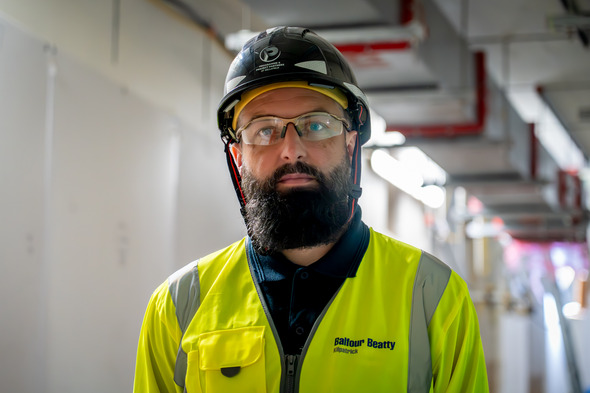
Mark Hilton, heat, ventilation and air conditioning (HVAC) supervisor for Balfour Beatty Kilpatrick (BBK) on SRP.
For one supervisor on our Sellafield Product and Residue Store Retreatment Plant (SRP), leadership isn’t about titles - it’s about trust. He sees his role as the vital bridge between management and the workforce.
With boots on the ground and an ear to both sides, Mark Hilton, heat, ventilation and air conditioning (HVAC) supervisor for Balfour Beatty Kilpatrick (BBK) on SRP, ensures that communication flows, expectations are clear, and people feel heard.
He takes pride in leading a dedicated team with a positive and collaborative approach. Coming from a hands-on background, Mark started his career as a mate, moved into installation, then became a chargehand, and finally a supervisor. His journey through the ranks has given him a deep understanding of both the technical and human sides of the job.
Mark's leadership philosophy is simple but powerful: take care of your team, and they’ll go above and beyond. It’s a mindset that’s helped shape a culture of respect, accountability, and shared success - the very essence of what it means to be Proud to Lead.
Mark said:
“I see myself as the middleman between management and the lads. I make sure the team is looked after because that’s where I came from.”
One aspect of working at PPP that Mark particularly values is the culture of listening and collaboration.
He explained:
“The management here actually listen and work with us. That makes a massive difference compared to other places I’ve worked. It is not just their way or no way - they genuinely take on board what we say.”
Mark appreciates the strong sense of teamwork at PPP, where contractors and teams collaborate effectively, even when space and logistics are challenging.
He added:
“It can be a bit crowded on site with different trades working together, but we always find a way to sort things out and get the job done. It is about communication and cooperation.”
Mark is proud to be part of a project of national significance, contributing to essential decommissioning work. He said:
“This is a massive project and it is essential because of the end goal, making the site safer for the future. Being part of that makes you realise how important our work really is.
“As a supervisor, you are only as good as your team.”
Mark Hilton’s leadership is a shining example of what makes PPP’s supervisors stand out. Dedication, teamwork, and a genuine commitment to making the SRP workplace safer for everyone.
SRP duo tackle the Macmillan Mighty Hike
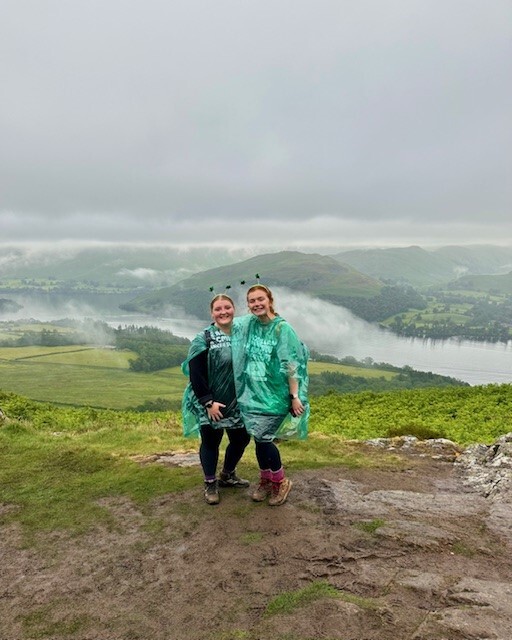
Danielle Bailey (left) and Kate Bainbridge (right).
Two of our Sellafield Product and Residue Store Retreatment Plant (SRP) team members swapped out their PPE for walking boots, to take on a 26 mile charity challenge around Ullswater Lake, in aid of Macmillan Cancer Support.
Danielle Bailey, environmental advisor, and Kate Bainbridge, quality manager, completed the Macmillan Midlands Mighty Hike in stormy weather, with both sharing very personal reasons for taking part.
Danielle, who was recently bereaved, took part in memory of her aunt.
She said:
“Raising money to help people living with, or affected by, cancer means a lot and even more now that it has affected me and my family directly.”
Kate also had close personal motivations, taking on the hike in memory of her husband’s parents.
Kate said:
“I have seen first hand the amazing support Macmillan offer to people suffering from cancer, as well as their family.
“Macmillan were there to support them during a very hard time.”
Both had planned to take on the half marathon version but soon decided the full hike was worth the extra challenge. SRP wellbeing walks helped Kate prepare, but Danielle admitted she had not trained much and both were caught out by just how difficult the conditions would be.
Kate added:
“We finished. That’s all that matters. The storm throughout the first half made conditions very tough with rain and thunder.
"In moments when things got really tough the signs of other walkers reminded us of the reason we were doing it and kept us going.”
Danielle said:
“I was ready to pack in at the halfway point but my uncle phoned me and reminded me why I was doing it, and the lasses encouraged me every step of the way. Without Kate I would not have completed it.”
Well done to Danielle and Kate for taking on this challenge for such an important cause. Great work from both of you.
 Let's hear it for the girls! Celebrating our Women in Engineering on SRP
We are proud to highlight our brilliant women contributing to the success of the SRP project. From planning and testing to cost engineering and quality assurance, these five women represent a range of disciplines across the project, each bringing expertise, drive and fresh perspective to their work.
 Hannah Devitt-Swain, pre-operations operator.
Hannah enjoys hands on challenges and has played a key role in SRP testing. She was recently recognised with a Project Excellence Award for her technical input and teamwork.
Hannah said:
"I might be in the minority as a young woman, but my skills and dedication are what people see — I’ve always felt supported."
Marina Penn, civils construction cost engineer.
Marina’s non traditional route into engineering led her to project controls, where she combines strategic insight with technical delivery. She played a major role in achieving weathertight status on SRP.
Marina said:
"I’ve been on the SRP journey from slab to structure. Being part of something this complex and high profile has been hugely rewarding."
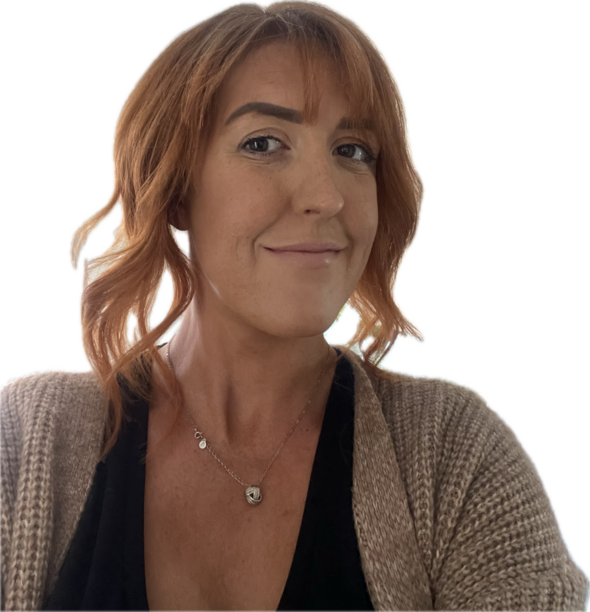 Rosie Shaw, quality engineer.
Rosie started her career through the nuclear welding inspection technician apprenticeship and quickly developed a passion for hands on inspection and problem solving. She now supports SRP’s glovebox scope and has helped the team reach a key milestone: Integrated Work Testing.
Rosie said:
"Engineering has helped me grow professionally and personally. Every day is different, and I’m constantly learning from the people around me."
Laura Tomlinson, senior quality engineer.
Laura moved into engineering from a support role and has since built strong relationships across the SRP project. Whether on site with installation teams or off site with suppliers, she values collaboration and variety.
Laura said:
"I’ve always felt supported at SRP, and the relationships I’ve built have been central to everything I’ve achieved."
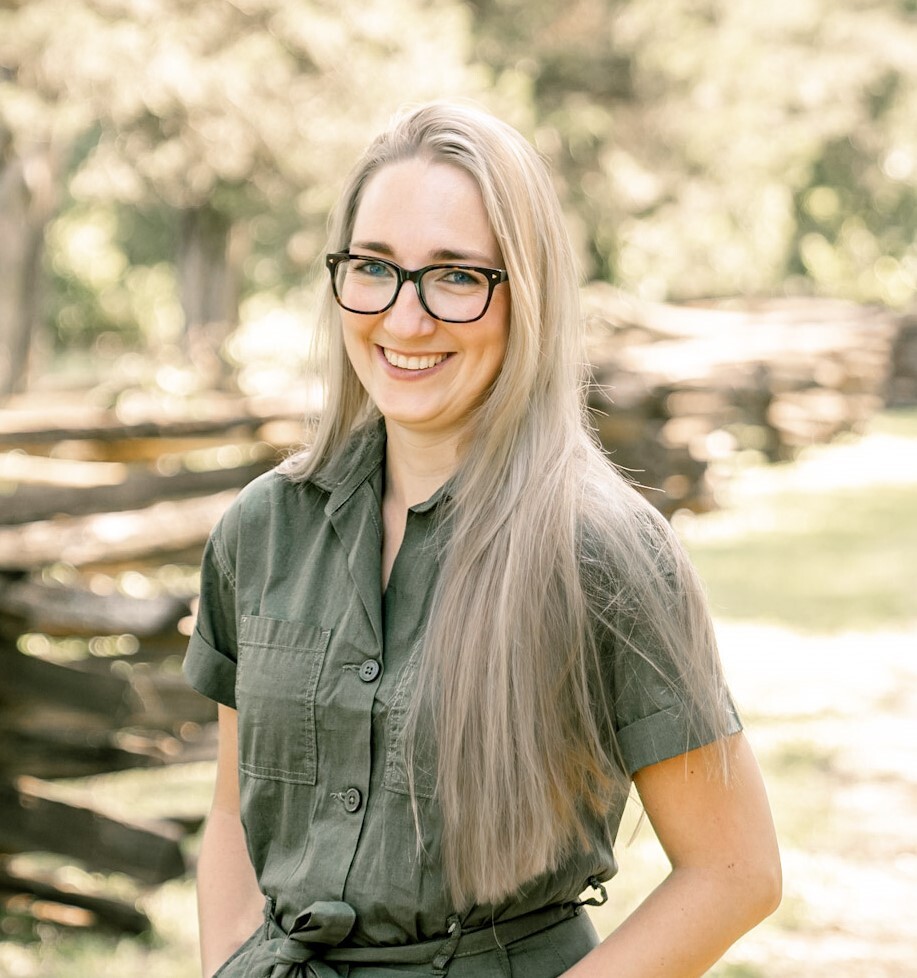 Stephanie Steele, assistant planning engineer.
Looking for a family-friendly career change, Stephanie transitioned into project controls and hasn’t looked back. Her role combines technical understanding, strategic thinking and team trust.
Stephanie said:
"Engineering is broader than people think, and women bring a lot to the table.
"We absolutely belong here."
Hannah, Marina, Rosie, Laura and Stephanie, your work, resilience and collaboration set a great example for others and make SRP stronger.
We are proud to celebrate the women helping to shape the success of our project and the future of engineering.
Marking International Non-Binary People's Day
 We’re proud to mark International Non-Binary People’s Day as part of our Inclusion Calendar. Observed annually on 14 July, this day raises awareness of the challenges faced by non-binary people around the world.
First celebrated in 2012, the date was chosen to fall midway between International Women’s Day (8 March) and International Men’s Day (19 November) - a symbolic reminder that not everyone fits within the traditional gender binary.
What does non-binary mean? Non-binary (also spelled nonbinary) is an umbrella term for gender identities that are neither exclusively male nor female - identities outside the gender binary.
Want to learn how to be a better ally? Click our Inclusion Share to learn more and share with your teams.
 Follow PPP on LinkedIn

Follow our PPP LinkedIn page.
|