According to research by the Government’s waste advisory body WRAP, one of the things stopping people from recycling is the belief it takes a lot of effort. This is particularly true when it comes to the need to wash cans, bottles etc before they go in your green bin/cherry sack.
A survey conducted by the group found 19% of people binned items they knew to be recyclable because they didn’t want to wash them out and 7% admitted having to clean items was one of the things that put them off recycling altogether as they found it too time consuming.
One of the questions we are often asked is how clean do we mean when we say items must be washed or clean? To answer that it’s important to understand why we say they must be washed in the first place.
Because we collect a range of items in the same bin/sack if they are not clean then there is a risk that food residue or liquid could leak out onto paper, card and other material contaminating it. That could result in not just your recycling being contaminated but a whole lorry load of other people’s recycling as well, resulting in it being rejected and having to be sent to the Energy from Waste plant rather than being turned into useful products once more.
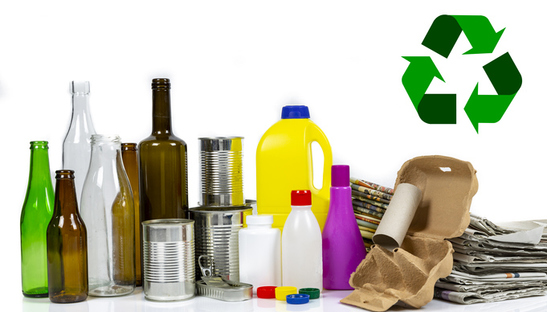
When we say washed though, we don’t expect you to scrub them into pristine condition. A quick rinse is fine either under the tap or use old washing up water once you’ve finished doing the dishes.
Other recycling instructions you might find useful
Labels – these can be left on as the reprocessing machines will ensure these are removed
Lids back on glass bottles and jars – these should be put back on to ensure they do not get lost or cause issues when being sorted
Ensure bottles are empty – if they contain liquid, the extra weight could result in them being sorted into the wrong waste pile and cause issues with the machinery
No bottles that have contained hazardous chemicals (eg anti-freeze bottles) - this is because it poses a risk to staff and could damage equipment
Squashing – you shouldn't squash plastic bottles, pots, tubs or trays. You should squash, card, cardboard and cartons. This is because the sorting machinery works by separating out flat things (eg cardboard and cartons) from 3D objects (eg plastic bottles).
Cans – please do not squash. Push sharp lids inside
Envelopes with windows – no need to remove the window just put in the green bin/cherry sack
Shredded paper – is so small it can get mixed up with other materials and become difficult to separate. Ideally this should go in a home compost bin or be re-used for packaging or animal bedding. If you do put it into your green bin/cherry sack please ensure it is in an old envelope, cereal box or paper bag to keep it together.
Grease contaminated paper and card – such as pizza boxes. If heavily stained with grease these should go in your black bin/sack. This is because the grease clogs the fibres together in the card making them shorter and more unstable, so they become difficult to recycle.
It's recycling week
From Monday (25 March) we will be collecting green bins/cherry sacks.
Remember:
Please put your bin/sacks out by 7am on your usual collection day
If your green bin is full then additional recycling can be placed next to your bin in a recyclable container such as a cardboard box
There is no limit on the number of cherry recycling sacks that can be put out for collection
Our recycling and waste reduction guide is available to view here
You can keep track of which colour bin/sack to put out by referring to the 2019 collection calendar here.
You can also use the online collection day look up calendar here.
Any disruption to our collection service will be reported here.
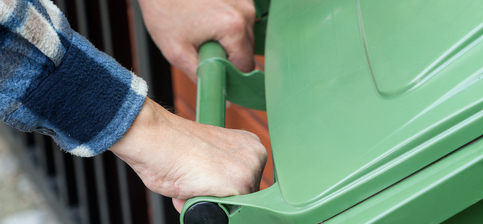
Struggling to move your bin? You may qualify for an assisted collection. Click here for more information.
We know home composting is not an option for everyone which is why we offer our garden waste collection service. Collections take place fortnightly, throughout the year. Click here to find out more.