Glass is a very useful material when it comes to reducing our impact on the planet and helping in the fight against climate change. That is because it is easy to recycle and can be endlessly reused without losing quality.
New glass is made from sand, soda, ash, limestone and other additives included for colour or special treatments. These have to be quarried which can damage the landscape, affect the environment and it uses more energy than recycled glass. In fact it is estimated that recycled glass reduces related air pollution by 20% and related water pollution by 50%.
Container glass (used to make bottles and jars) is particularly easy to recycle but it is also often overlooked when we are recycling around our home. In the UK we recycle about 50% of container glass. However, we still lag behind other countries such as Switzerland and Finland that recycle more than 90% of their glass.
Fun fact: We have a long glass recycling history. Glass became widely available in England following the Roman conquest. As the majority of glass made in the Roman Empire was produced in big centres in the Eastern Mediterranean and then transported around the world, glassworkers were keen to use old glass to make bottles. There is even evidence they sorted it by colour, much as we do today. If you want to know more click here.
It probably won’t surprise you to learn though that not all glass is recyclable and not all glass can be put into your green bin. We’ll have a look at some common glass items and briefly explain why.
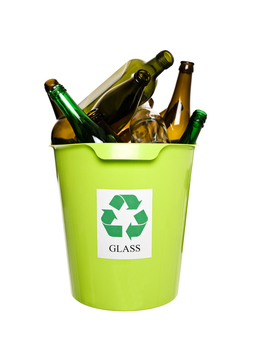
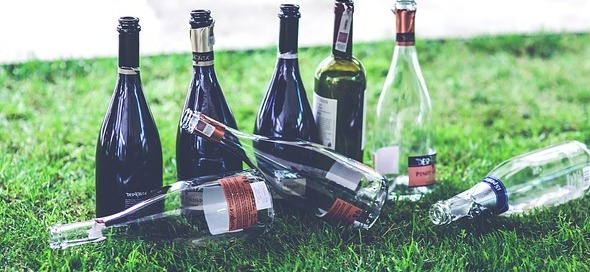
Glass food and drink bottles and jars , fragrance bottles, moisturiser jars, make up jars – these are mostly made of soda-lime-silica glass. They can all go in your green bin for recycling.
Glass cookware such as Pyrex dishes, heatproof jugs etc – these are made from borosilicate glass to help it withstand high temperature changes. It won’t melt properly in most ordinary glass furnaces and if mixed in with your glass recycling could cause serious issues with the recycling process. If in good condition these type of items can be donated to charity shops, given away online or pass them on to friends and family.
Light bulbs – These are made from a heatproof glass and may contain metallic components. These cannot go in your green bin. However, low energy light bulbs and fluorescent tubes can be recycled at some Household Recycling Centres. Click here to check what your local site accepts. The older incandescent bulbs cannot be recycled.
Window glass – this has been laminated or treated to make it tougher so needs to be processed separately from other glass. If you are having your windows replaced check with the company whether or not they will recycle your old windows via a commercial service.
Mugs, plates, crockery – ceramic items cannot be put in the green bin as they won’t melt in a glass furnace and will cause serious issues. If in good condition they can be donated to charity shops, given away online or passed on to friends or family.
Drinking glasses – Some of these have a different composition to container glass and melt at different temperatures. They should never go in your green bin but if in good condition again they can be donated to charity shops, given away online or passed on to friends or family.
Vases – see drinking glasses above
Mirrors – the metallic coating on mirrors will cause contamination if mixed with other glass types. These should not go in your recycling but if in good condition could be donated to charity shops, given away online or passed on to friends or family.
Nail varnish bottles – while the glass might be the right type, due to the hazardous chemicals in nail varnish they cannot go in your green bin.
Spectacles – a different type of glass to bottles and jars and they contain hard to remove metal components. The charity Vision Aid does work with opticians though to recycle them. You can click here to find your nearest one or request a recycling pack through the post.
Top tip - There is no need to remove labels from glass bottles and jars, lids can be left on and all colours are accepted
Sack customers
For health and safety reasons we cannot accept any type of glass from households where recycling is collected in cherry sacks. Glass bottles and jars can be taken to your nearest Household Recycling Centre or a bottle bank. A list of sites is available here.
It's recycling week
Waste and recycling collections are now back to normal after the disruption caused during the Christmas and New Year period.
From Monday (14 January) we will be collecting green bins/cherry sacks.
Remember:
Please put your bin/sacks out by 7am on your usual collection day
If your green bin is full then additional recycling can be placed next to your bin in a recyclable container such as a cardboard box
There is no limit on the number of cherry recycling sacks that can be put out for collection
Our recycling and waste reduction guide is available to view here
You can keep track of which colour bin/sack to put out by referring to the 2019 collection calendar here.
You can also use the online collection day look up calendar here.
Any disruption to our collection service will be reported here.
Struggling to move your bin? You may qualify for an assisted collection. Click here for more information.
From cookers to cupboards and mattresses to sofas our bulky waste collection service can deal with those difficult to move items so you don't have to. Click here for more information.