|
 |
Climate newsletter |
|
|
Issue 126 | 25 November 2026 |
|
|
Earlier this week, the UN Climate Change Conference, COP31, came to a close in Antalya, Türkiye. World leaders, scientists and other experts came together to discuss and negotiate action against climate change but no final deal was agreed despite the negotiations overrunning. A significant area of concern over the wording of a draft pact was the fact that fossil fuels were not mentioned.
|
|
|
Last week, two Met Office experts joined Minister Katie White, Climate Minister at the Department for Energy Security and Net Zero (DESNZ), for an AMA – ‘ask me anything’ – on Reddit. They focused on COP31, climate change science and climate policy.
As extreme weather threatens more lives, climate services are helping health systems anticipate crises, protect vulnerable communities and cut costs, but scaling up requires sustained investment and collaboration. A new issue of Meteorological Technology International looks at how Met Office research and services are contributing to this.
|
|
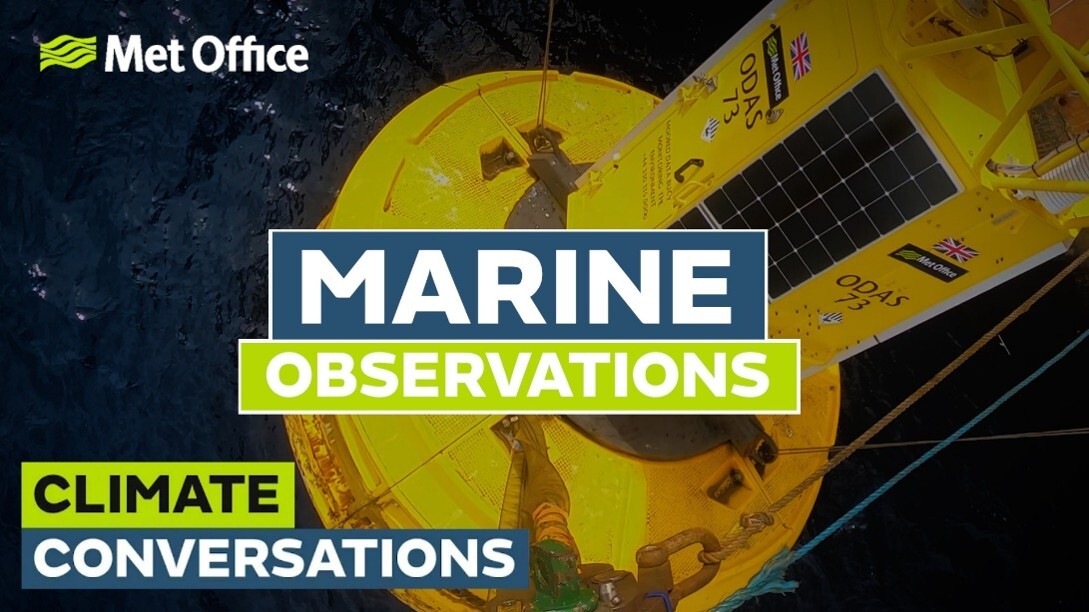 In our latest Climate Conversations episode, you can hear about how marine observations data is used to create marine forecasts that keep mariners safe and underpin our understanding of climate change. Clare Nasir and Alex Burkhill are joined by guest speakers Andy Saulter Science Strategic Head of Ocean Forecasting R&D at the Met Office and Dr. Colin Morice Scientific Manager, Observing Climate: Ocean & Cross Domain Analysis at the Met Office. With additional content kindly provided by the National Oceanography Centre.
Our Climate Conversations series covers the latest research and real-world impacts of climate change. Topics have included record-breaking marine heatwaves, the future of UK sporting events and sustainable education. Stay tuned, as there are more episodes coming up. You can watch all previous episodes on our playlist and subscribe to our YouTube channel or Spotify to keep up to date.
|
|
|
Providing you with evidence-based information on climate science.
A new UN-backed study has highlighted that AI models can quickly agree with climate misinformation to align with a user’s views or questions. While simple facts about climate change are often accurately confirmed, AI models moved to incorrect information if a user seemed to disagree.
This highlights the additional challenge AI can pose in ensuring people have access to evidence-based, authoritative information on climate change.
Whether you are viewing climate change information via AI tools or other sources, we suggest that you pause, fact check, resist popular myths and be cautious about responding. This is based on advice from UN Verified. Get more detail about what we mean by these steps on our website
Disinformation is the deliberate creation and/or sharing of false information with the intention to deceive and mislead audiences. The inadvertent sharing of false information is referred to as misinformation. Malinformation deliberately misleads by twisting the meaning of truthful information.
|
|
|
Follow us on our social media channels to join the conversation. Look out for our hashtag - #GetClimateReady - on X (formerly Twitter), and follow our climate channels on TikTok and Instagram.
You might also be interested in our new Government and Industry Newsletters. Subscribe here.
|
|
|
To subscribe or unsubscribe please visit our email updates page to access your preferences.
The Met Office is not responsible for the content of external internet sites.
|
|
|
|