|
Section 2
 |
Climate newsletter |
|
|
Section 6
|
At the end of April, the European Centre for Medium-Range Weather Forecasts (ECMWF) published the latest European State of the Climate report, which indicated that at least 95% of Europe experienced above-average annual temperatures in 2025.
|
|
Section 8
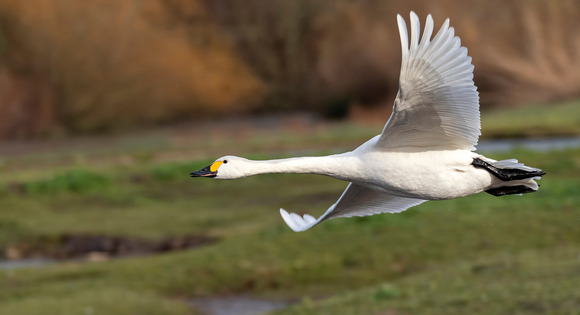
In the latest episode of Climate Conversations, we talk to Met Office Senior Press Officer, Grahame Madge, about the story of nature – and birds in particular - as it struggles to keep pace with a rapidly shifting season. Grahame is a lifelong birdwatcher and experienced climate and nature communicator.
Our Climate Conversations series covers the latest research and real-world impacts of climate change. Topics have included record-breaking marine heatwaves, the future of UK sporting events and sustainable education. Stay tuned, as there are more episodes coming up. You can watch all previous episodes on our playlist and subscribe to our YouTube channel to keep up to date.
|
|
Section 10
|
Providing you with evidence-based information on climate science.
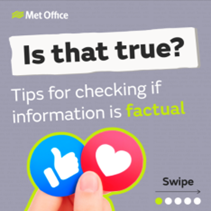
Dis-, mis- and mal-information can often be quite compelling, cleverly using pseudo-science to get a point across, or sharing false or misleading information which appeals to genuine concerns or questions people might have. Unfortunately, misinformation around climate change is not uncommon, as well as on other topics, but how is it possible to tell whether something you see or hear is factual or not?
Based on advice from UN Verified, we suggest that you pause, fact check, resist popular myths and be cautious about responding. Get more detail about what we mean by these steps on our website.
Disinformation is the deliberate creation and/or sharing of false information with the intention to deceive and mislead audiences. The inadvertent sharing of false information is referred to as misinformation. Malinformation deliberately misleads by twisting the meaning of truthful information.
|
|
Section 12
|
Later this month, we will publishing the latest Global Annual to Decadal Update on behalf of the World Meteorological Organization. The update will look at the earth's climate for the five-year period from 2026 to 2030, including the chance of global temperature exceeding 1.5 °C above the 1850-1900 average.
|
|
Section 13
|
Under the Horizon Europe ASPECT project, the University of Leeds are conducting research to test how people interpret certain prediction information. By completing this survey, you can help shape the provision of future climate information products and services. We welcome responses from people working in any sector who might find information about future temperature change useful in decision-making.
|
|
Section 14
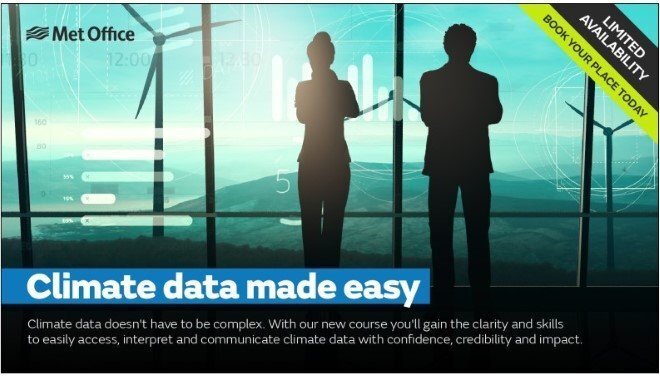 Introduce yourself to the key concepts of climate risk assessments and aid your understanding of climate projections across an introduction and three training sessions. Run by Met Office Scientists, this online course is designed for consultants, analysts, or those in similar roles, who wish to be able to confidently use climate data, particularly UK Climate Projections (UKCP18), to carry out climate change risk assessments either in-house or on behalf of other customers.
Upcoming dates: 8, 15, 16 and 18 June 2026
|
|
Section 16
|
Follow us on our social media channels to join the conversation. Look out for our hashtag - #GetClimateReady - on X (formerly Twitter), and follow our climate channels on TikTok and Instagram.
You might also be interested in our new Government and Industry Newsletters. Subscribe here.
|
|
Section 17
|
To subscribe or unsubscribe please visit our email updates page to access your preferences.
The Met Office is not responsible for the content of external internet sites.
|
|
|
|