|
 |
Climate newsletter |
|
|
Issue 112 | 22 April 2026 |
|
|
In a recent blog post, we explain the El Niño climate driver and the shift in the tropical Pacific which indicates that this is developing. El Niño is one of the most important drivers of year‑to‑year climate variability on Earth, influencing weather patterns across large parts of the globe as well as global temperature. While it occurs far from the UK, its impacts can be felt worldwide.
Read our ‘Evidence matters’ section below for more on climate drivers and variability.
|
|
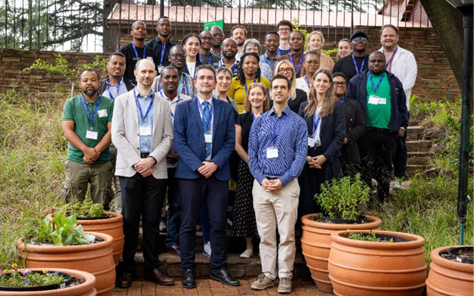
The Met Office recently hosted a hackathon in Johannesburg, South Africa on utilising artificial intelligence (AI) and machine learning in climate research, as part of our AI4Climate project.
The five-day event brought together scientists and researchers to develop skills in applying machine learning techniques to climate modelling and how these methods can complement traditional approaches. Dr Keith Williams, Met Office Associate Director for Prediction Science, said: “This science partnership is about working together and delivering bigger and better science than any country would be able to do on its own.”
The AI4 Climate project is delivered by the Met Office in partnership with the Global Change Institute at the University of the Witwatersrand.
|
|
|
Earths’ climate is constantly changing and there are many natural drivers of this. Natural climate cycles – including El Niño mentioned in the blog post above - long-term shifts in the earth’s orbit and volcanic eruptions are examples of natural cycles and events which impact our climate, in some cases over thousands of years. But these can’t explain current warming which is occurring at over ten times the rate of warming after the last glacial period. Current warming is caused by increases in greenhouse gases in the atmosphere from human activities such as burning fossil fuels or changing how we use land.
|
|
Our Climate Conversations series covers the latest research and real-world impacts of climate change. Topics have included record-breaking marine heatwaves, the future of UK sporting events and sustainable education. Stay tuned, as there are more episodes coming up. You can watch all previous episodes on our playlist and subscribe to our YouTube channel to keep up to date.
In our latest episode, we spoke to Professor Ed Hawkins from the University of Reading and Met Office Senior Scientist Neil Kaye about the art and science behind climate data visualisation.
|
|
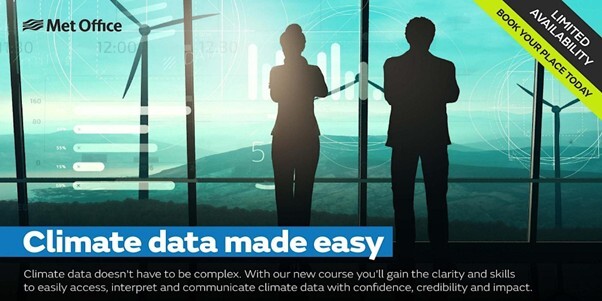
Introduce yourself to the key concepts of climate risk assessments and aid your understanding of climate projections across an introduction and three training sessions. Run by Met Office Scientists, this online course is designed for consultants, analysts, or those in similar roles, who wish to be able to confidently use climate data, particularly UK Climate Projections (UKCP18), to carry out climate change risk assessments either in-house or on behalf of other customers.
Upcoming dates: 8, 15, 16 and 18 June 2026
|
|
|
Follow us on our social media channels to join the conversation. Look out for our hashtag - #GetClimateReady - on X (formerly Twitter), and follow our climate channels on TikTok and Instagram.
You might also be interested in our new Government and Industry Newsletters. Subscribe here.
|
|
|
To subscribe or unsubscribe please visit our email updates page to access your preferences.
The Met Office is not responsible for the content of external internet sites.
|
|
|
|