|
 |
Climate newsletter |
|
|
Issue 106 | 28 January 2026 |
|
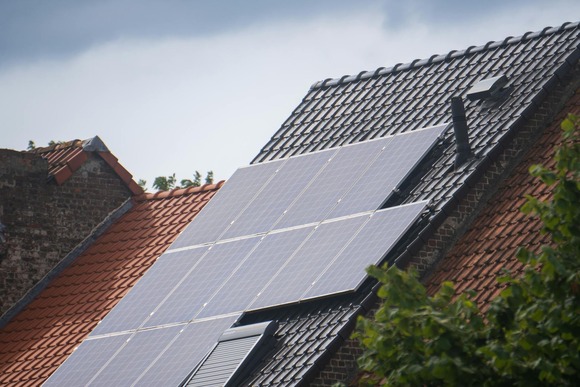 Last week, the Department for Energy Security and Net Zero (DESNZ) launched their £15 billion ‘Warm Homes Plan’ designed to tackle long term energy costs and offer savings to families. Low-income households can benefit from free of charge upgrades which could include fully-funded solar panel installations, whilst all homeowners can take advantage of zero and low-interest loans for solar panels or a £7,500 grant for heat pumps.
As well as offering savings to households, the plan is also designed to strengthen the UK’s energy security and help to mitigate and adapt to our changing climate.
|
|
|
In a new blog post, we share information on how the Met Office Local Authority Climate Service (LACS) is being used by local authorities to support climate adaptation planning. For example, East Lothian Council shared specific LACS data with colleagues in energy and emergency planning to highlight local risks. “We are still at that very high-level strategic stage of adaptation planning,” they explained, “but [LACS has] been a really critical part of it because, if you do anything at a local authority, you have to justify why you're doing it. Why are we doing a climate change plan? Why do we need to plan for adaptation? And the tool or the report has been a really good way of making that case of going, here's what we expect the changes in our climate to be, here's why we need to plan for these changes.”
|
|
 Sitting at the heart of winter yet increasingly influenced by shifting climate patterns, January delivers an array of extremes, from record‑breaking warmth to significant snowfall, intense rainfall to powerful winds. Using the Met Office’s long‑term records across the UK nations, this article explores just how wide‑ranging January’s conditions can be.
|
|
|
Providing you with evidence-based information on climate science.
Weather forecasts and climate projections are very different things. In a nutshell, a weather forecast provides an assessment of the weather over the next few days for a given area. A climate projection aims to provide an indication of the weather and weather extremes associated with a particular future climate over decades to centuries into the future.
You can find out more about the differences as well as the accuracy of both weather forecasts and climate projections on our website.
|
|
|
Our next UK Climate Projections (UKCP18) webinar is tomorrow - Thursday 29 January.
Samantha Leader from Atkins Realis will speak about the applications of UKCP18 products for climate risk assessments and strategic investment decisions in the water sector. While the talk will have a focus on water, the methodologies presented will be transferable to other sectors.
Future webinars are on 26 February and 26 March.
|
|
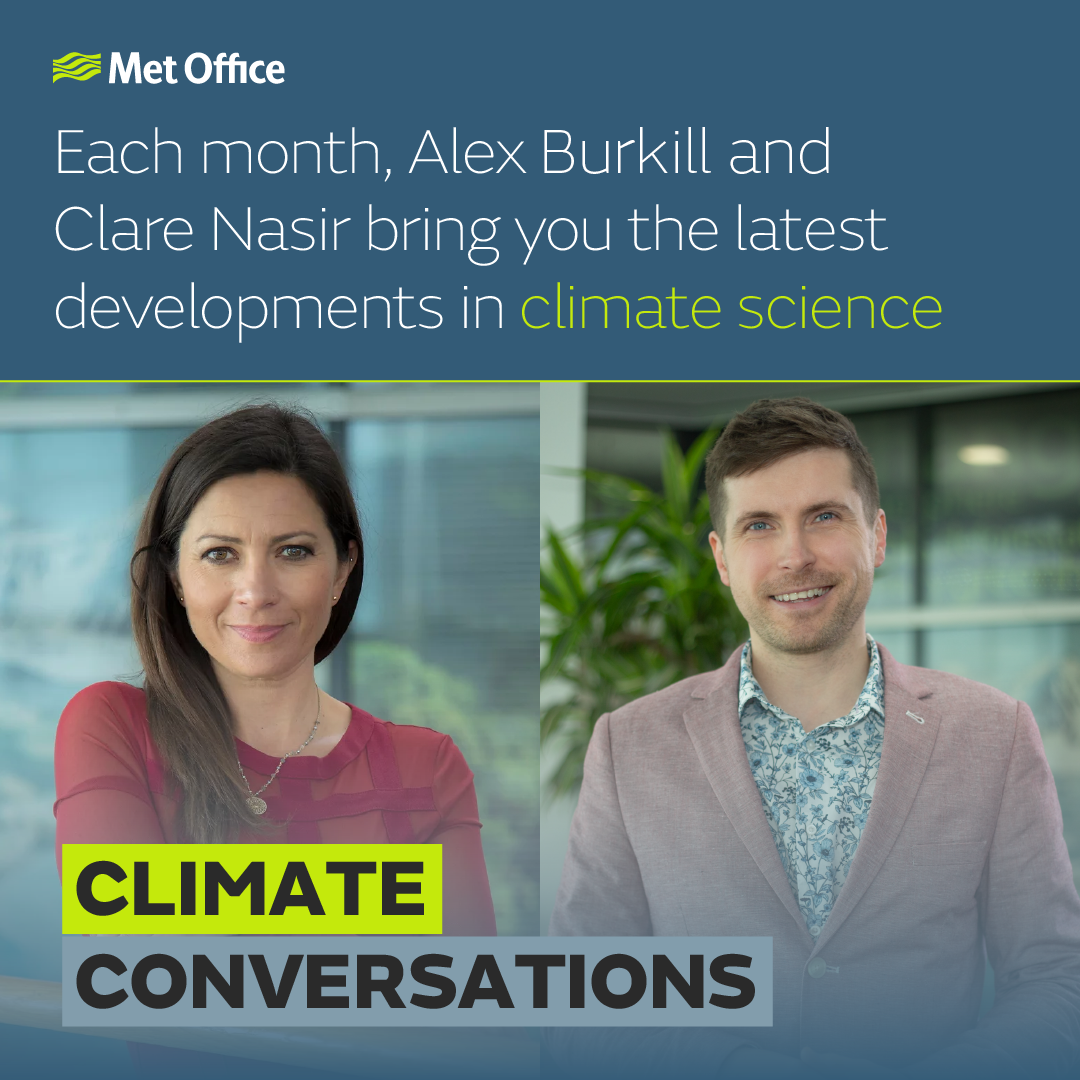 Our Climate Conversations series covers the latest research and real-world impacts of climate change. Topics have included record-breaking marine heatwaves, the future of UK sporting events and sustainable education. Stay tuned, as there are more episodes coming up. You can watch all previous episodes on our playlist and subscribe to our YouTube channel to keep up to date.
|
|
|
Follow us on our social media channels to join the conversation. Look out for our hashtag - #GetClimateReady - on X (formerly Twitter), and follow our climate channels on TikTok and Instagram.
You might also be interested in our new Government and Industry Newsletters. Subscribe here.
|
|
|
To subscribe or unsubscribe please visit our email updates page to access your preferences.
The Met Office is not responsible for the content of external internet sites.
|
|
|
|