|
 |
Climate newsletter |
|
|
Issue 103 | 26 November 2025 |
|
Over the weekend, the UN climate summit, COP30, came to an end following two weeks of negotiations. There was much disagreement amongst the nations represented, but a consensus is needed in order for a deal to be reached. This was reached on Saturday following heated debates over many days. A particular sticking point was whether language around transitioning away from fossil fuels could be included – in the end, agreement was reached by referencing the ‘UAE consensus’ rather than an explicit mention of fossil fuels. This commitment at COP28 did commit include wording on fossil fuels.
You can read a range of reports and analyses at the links below.
Met Office scientists were in attendance at COP30, and Science Fellow Richard Jones spoke with the Secretary of State for Energy and Climate Change, Ed Miliband, while at the summit.

|
|
|
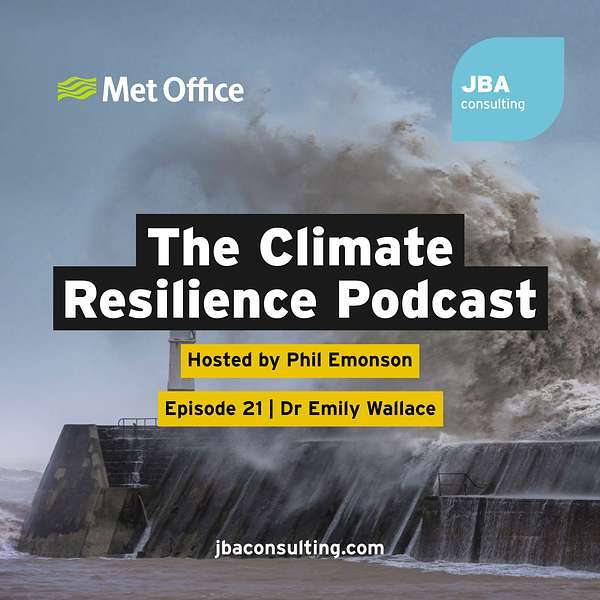
Last week, the Climate Resilience Podcast published their latest episode featuring Met Office fellow in Weather & Climate Extremes and Visiting Professor at the University of Strathclyde, Dr Emily Wallace. Emily and podcast host Phil Emonson explored how forecasting, climate projections, and cross-sector partnerships, including work with the National Energy System Operator (NESO), are shaping UK resilience.
|
|
In a new blog post, Met Office Associate Director for Communications and Engagement, Tabitha Aldrich-Smith, discusses the importance of trust and the challenges around tackling large volumes of dis-, mis- and mal-information (DMMI).
See our new Evidence matters section below to get the facts and evidence on some topics often subject to DMMI.
|
|
|
The Met Office is a data-rich organisation and satellite data is the largest contributor to numerical weather prediction accuracy. In a recent blog post, we explore some recent and upcoming satellite projects that are helping to transform the Met Office’s weather and climate intelligence.
|
|
Evidence matters
Providing you with evidence-based information on climate
|
|
|
Weather observations are critical to our understanding of weather and climate, and the Met Office has records going back to 1884. Consistency and standards are essential to ensuring accuracy for our weather forecasts and climate records, and in the article below you can learn more about how we adhere to international standards.
You might also be interested in some recent blog posts around this topic (below) and articles from the World Meteorological Organization and University of Reading Climate Scientist Ed Hawkins.
|
|
The fourth UK Climate Change Risk Assessment (CCRA4) is due to be laid in parliament by the UK Government in January 2027. The Community Review for the Technical Report is now open until Tuesday 2 December.
The CCRA4-IA Technical Report will synthesise the most up-to-date evidence on the 44 risks and opportunities the UK faces from climate change and assess the urgency of taking additional action to respond to these.
The Technical Report has been developed by a wide group of experts from academia, the private and third sectors. We are now inviting comments on the Technical Report from the wider scientific and policy communities. The purpose of the review is to ensure the Technical Report is capturing the breadth of evidence in a comprehensive and robust way.
|
|
 Our Climate Conversations series covers the latest research and real-world impacts of climate change. Topics have included record-breaking marine heatwaves, the future of UK sporting events and sustainable education. Stay tuned, as there are more episodes coming up. You can watch all previous episodes on our playlist and subscribe to our YouTube channel to keep up to date.
|
|
|
Follow us on our social media channels to join the conversation. Look out for our hashtag - #GetClimateReady - on X (formerly Twitter), and follow our climate channels on TikTok and Instagram.
You might also be interested in our new Government and Industry Newsletters. Subscribe here.
|
|
|
To subscribe or unsubscribe please visit our email updates page to access your preferences.
The Met Office is not responsible for the content of external internet sites.
|
|
|
|