|
 |
Climate newsletter |
|
|
|
On 18 June, a new study was published detailing the increasing likelihood of extreme temperatures in the UK, revealing that the chance of exceeding 40°C in the UK is accelerating at pace.
Dr Gillian Kay, Senior Scientist at the Met Office, and lead author explains: "The chance of exceeding 40°C has been rapidly increasing, and it is now over 20 times more likely than it was in the 1960s. Because our climate continues to warm, we can expect the chance to keep rising. We estimate a 50-50 chance of seeing a 40°C day again in the next 12 years. We also found that temperatures several degrees higher than we saw in July 2022 are possible in today’s climate.”
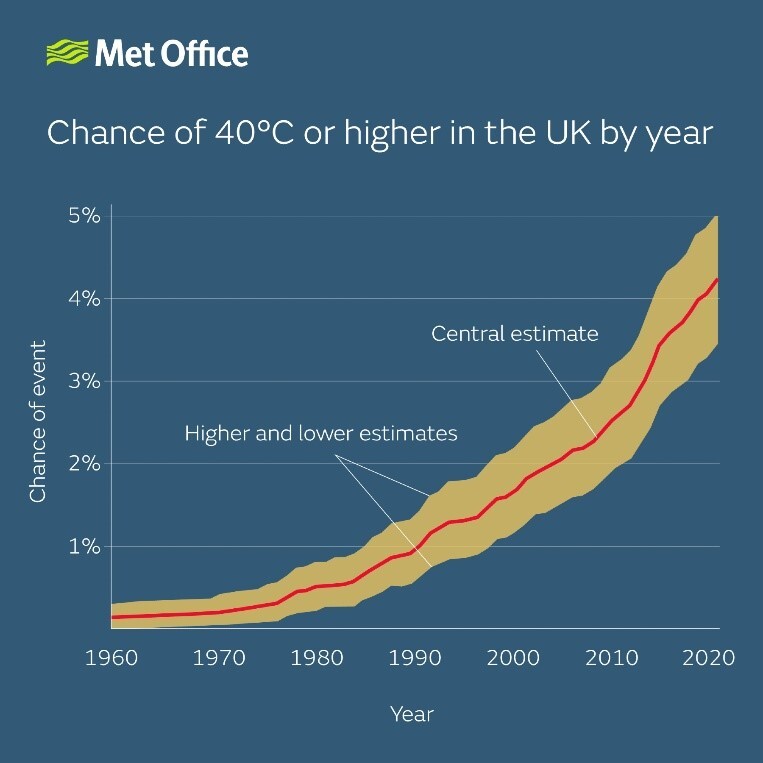
In our latest episode of climate conversations, Gillian talks about the significance of the findings.
|
|
|
This week is London Climate Action Week, which aims to mobilise London’s unparalleled ecosystem of climate and non-climate organisations to accelerate global climate action and supports action in London to ensure it acts as a global climate leader. A wide range of in-person and online events are taking place during the week, so you can take part whether in London or not.
|
|
|
It was #ShowYourStripes Day on 21 June 2025. The day aims to raise awareness about climate change and its effects. Centred around the "warming stripes," which provide a visual representation of rising global temperatures. Created by climate scientist Professor Ed Hawkins, each stripe represents a year, with blue and red hues indicating cooler and warmer-than-average temperatures, respectively.
By showcasing these stripes, the event aims to spark conversations about climate action and the urgent need to address climate change.
Our Team caught up with Ed recently to find out more.
|
|
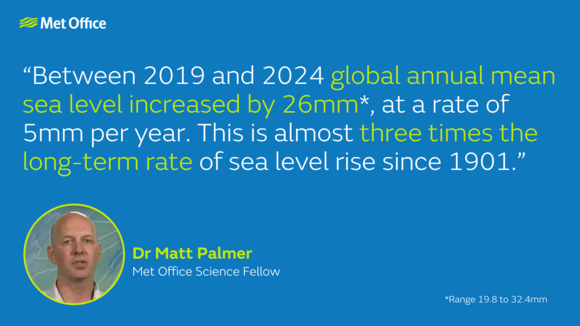 On 19 June, an annual update of key indicators of the state of the climate system and human influence was published. Indicators of Global Climate Change 2024 suggests that the 1.5°C warming limit could be breached in as little as three years at current levels of carbon dioxide emissions.
|
|
|
On 19 June, the Department of Agriculture, Environment and Rural Affairs (DAERA) in Northern Ireland published their draft Climate Action Plan, launching a 16-week public consultation.
Met Office Chief Scientist, Prof Stephen Belcher, said: “We can see our climate is rapidly changing in our observations. We have a responsibility to future generations to reduce emissions of greenhouse gases to Net Zero to stabilise the climate. And we also have a responsibility to citizens now and to future generations to accelerate our efforts to adapt to the extreme weather events we are seeing now in our changing climate. Action plans such as this are a vital step in this journey and the consultation on this plan is a valuable opportunity for the public to engage with this process.”
|
|
|
On 11 June, we published the first sea ice briefing on the season which shows Arctic sea ice extent is the 5th lowest on record for the time of year, after its lowest recorded winter maximum. Winter and spring in the Arctic have been very mild, and winter Arctic sea ice extent has been very low, recording the lowest maximum extent in the satellite record.
Antarctic sea ice extent is currently 3rd lowest on record for the time of year. The low anomaly is not evenly spread, with three regions of very low extent alternating with three regions of near-average extent, coinciding with the prevailing winds during late spring.
Read the full details in our Arctic and Antarctic sea ice briefing for June 2025.
|
|
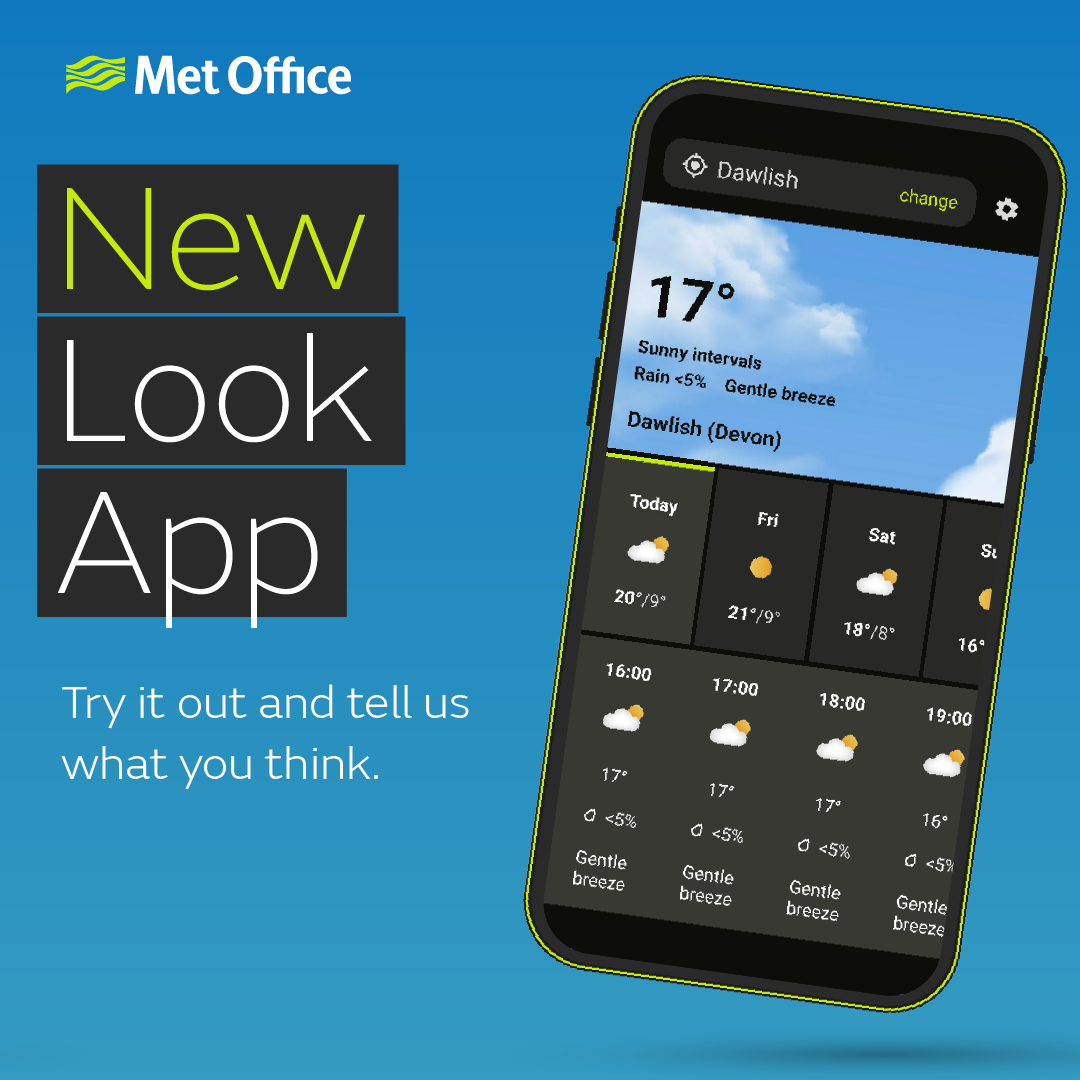 We’re refreshing our trusted weather app to help you get your latest forecast more quickly and easily. Now we’ve released a test version for you to try. It’s still in development, so we’ll be making changes based on your feedback.
|
|
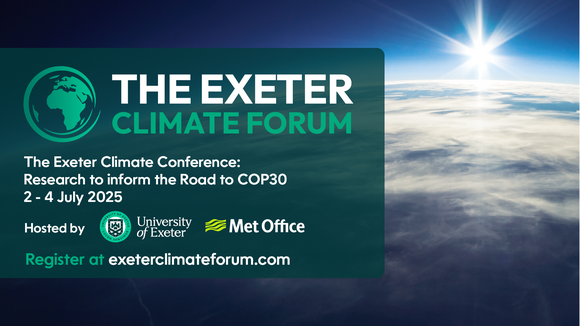 The Exeter Climate Forum takes place between Monday 30 June – Friday 4 July, bringing together world-leading climate researchers, businesses, policymakers, and young people to shape and engage with the priorities for COP30 and beyond.
As part of the Forum, the University of Exeter and the Met Office will jointly host the The Exeter Climate Conference. The conference will provide the opportunity to hear the latest research on the impacts of climate change and discuss innovative solutions to mitigate and adapt to the impacts of our changing climate and steer a path to a livable, resilient and sustainable future.
|
|
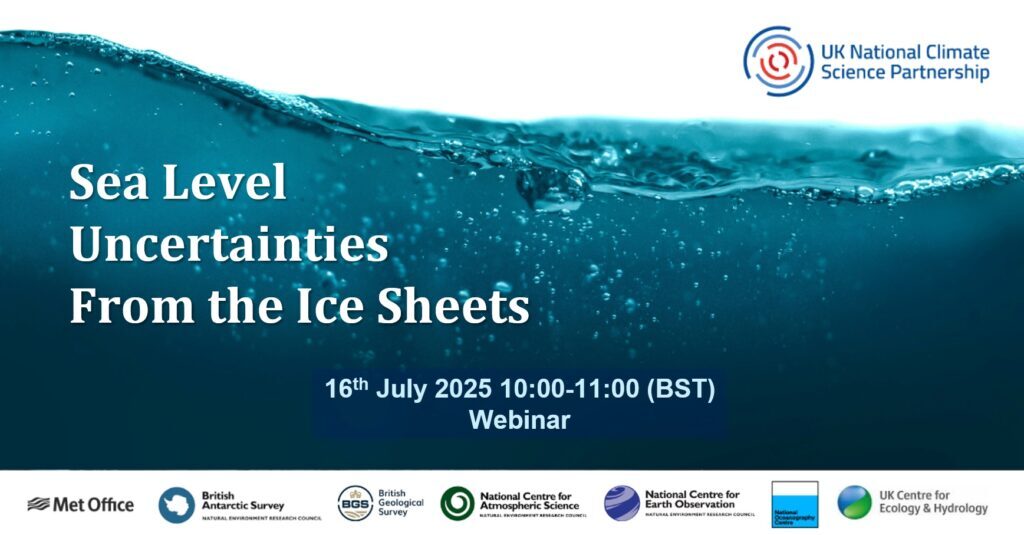 On 16 July, the UK National Climate Science Partnership will host a webinar exploring the uncertainties surrounding present-day and future sea level contributions from the ice sheets. As sea level rise presents increasing risks to the UK’s coastlines, infrastructure, and communities, understanding the science and the sources of uncertainty is critical. While the challenges are significant, it’s essential to recognise that we still have agency — reducing emissions today can slow the pace of sea level rise and buy valuable time for adaptation and resilience planning.
This webinar is designed to be both accessible and informative for a wide audience. Whether you’re a policymaker, industry professional, researcher, student, or simply interested in the impacts of climate change, you are warmly encouraged to attend and take part in this important conversation.
|
|
|
Follow us on our social media channels to join the conversation. Look out for our hashtag - #GetClimateReady - on X (formerly Twitter), and follow our climate channels on TikTok and Instagram.
You might also be interested in our new Government and Industry Newsletters. Subscribe here.
|
|
|
To subscribe or unsubscribe please visit our email updates page to access your preferences.
The Met Office is not responsible for the content of external internet sites.
|
|
|
|