|
 |
Climate newsletter |
|
|
Spotlight on 'adaptation' |
|
|
We have been exploring the topic of Adaptation this month. Adaptation refers to the adjustments needed from individuals, communities and countries in response to changes to our planet’s climate.
Adaptation is one of the key tools available to us to help avoid the worst climate impacts on people, infrastructure and nature. It should be planned and delivered alongside mitigation strategies, as part of a combined approach to deal with the challenges of climate change. Employing such strategies now, at pace, will minimise the impact of climate change on our lives now and in the future.
In our series of blog posts, we have delved into this topic.
Preparing and adapting for the effects of climate change
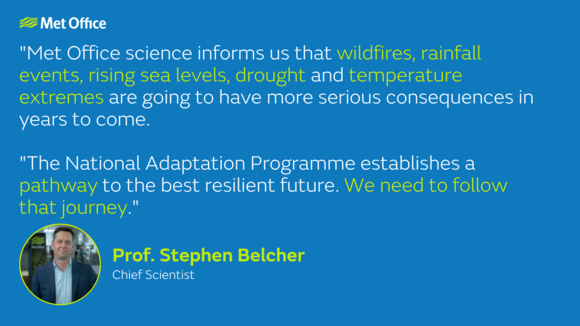
On 18 July, the Defra-led Third National Adaptation Programme (NAP3) was launched. The NAP3 sets out a 5-year programme of action to build the UK’s resilience to climate change. It is part of the statutory process set out under the Climate Change Act, 2008.
Met Office science has played a vital role in informing the NAP3, with the provision of robust and actionable science to help inform adaptation action.
NAP3 sets out the government’s approach to adaptation action. It includes a vision for a well-adapted UK as “a country that effectively plans for and is fully adapted to the changing climate, with resilience against each of the identified climate risks”. Defra described the NAP as a step-change in approach towards action on addressing climate risks.
Adapting for tomorrow, now
Learn more about what the science tells us and why we need to adapt.
|
|
Seamless decision-making for climate adaptation
Having useful climate information helps inform decision making, planning and budgets for future climate adaptation. We are working with the new Horizon Europe funded project called ‘ASPECT, to help organisations incorporate climate adaptation in their wider decision making.
|
|
Reflections on the European Climate Change Adaptation Conference (ECCA) 2023
A group of scientists recently attended the European Climate Change Adaptation Conference where the focus was on sharing actionable adaptation knowledge to increase our resilience to climate change.
Read Stacey’s blog on LinkedIn as she reflects on her learnings and the pressing need for climate action.
Adapting to Climate Change: A Business Imperative
In a guest blog, Ben Bulger, Director at Oxygen House Ltd show’s how businesses can play a crucial role as agents of change.
How will cities adapt in the future
Have you ever wondered how cities might adapt in the future to cope with the effects of climate change?
Our presenter Aidan McGivern looks at some of the changes you could see where you live.
Adaptation: taking evidence-based action
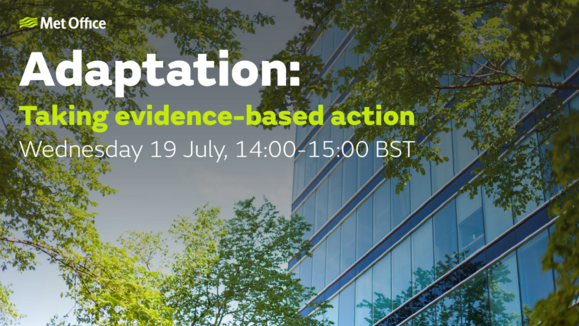 Last week we hosted a webinar on adaptation, exploring the importance of taking an evidence-based approach to adaptation. Our speakers considered the current level of implementation in the UK as well as the latest UK Government vision for adaptation. We also heard about examples of adaptation in practice.
We were joined by speakers from Marsh McLennan/Grantham Research Institute/Climate Change Committee, Defra, Clinton Devon Estates and JBA Consulting.
|
|
Heatwave across Europe, US and China
In our last newsletter we reflected on how in recent weeks there have been a series of news stories hitting the headlines which bring into stark relief the effect of climate change on our world.
Following a record hot June globally, large areas of the US, Southern Europe and China have experienced extreme heat in July 2023. Scientists from the World Weather Attribution initiative collaborated to assess to what extent human-induced climate change altered the likelihood and intensity of the extreme July heat in these regions.
The study found that without human induced climate change, these heat events would have been extremely rare. In China it would have been about a 1 in 250 year event while maximum heat like in July 2023 would have been virtually impossible to occur in the US/Mexico region and Southern Europe, if it was not for human-induced climate change.
How have daily temperatures shifted in the UK's changing climate?
Find out how daily temperatures have shifted since as recently as the 1960s, with cooler days becoming less frequent as human-induced climate change moves the goalposts for UK daily temperatures.
|
|
What can the world expect from the developing El Niño
There is much speculation about how the developing El Niño will affect weather patterns in the UK and around the world.
It is still forming at present, and it won’t be fully developed until the end of the year, so we shouldn’t anticipate any immediate effects, especially on the UK summer. But what can we expect from this pattern of climate variability in the longer term?
Jeff Knight is the Met Office’s manager of Climate Variability Modelling. He said: “The UK is a long way from the tropical Pacific and although El Niño can have an influence on winter in the UK, it is only one of a number of factors that forecasters will have to take into account when assessing the winter outlook.”
When will we see 40C again?
Last week was the first anniversary of the UK temperature record, where 40 C reached for the first time. In a Climate Special for our WeatherSnap podcast, Dr. Doug McNeall talks to Dr. Mark McCarthy to hear about the underlying atmospheric conditions which led to last year's unprecedented extreme UK heatwave and how likely it is that we’ll see similar temperatures again.
|
|
|
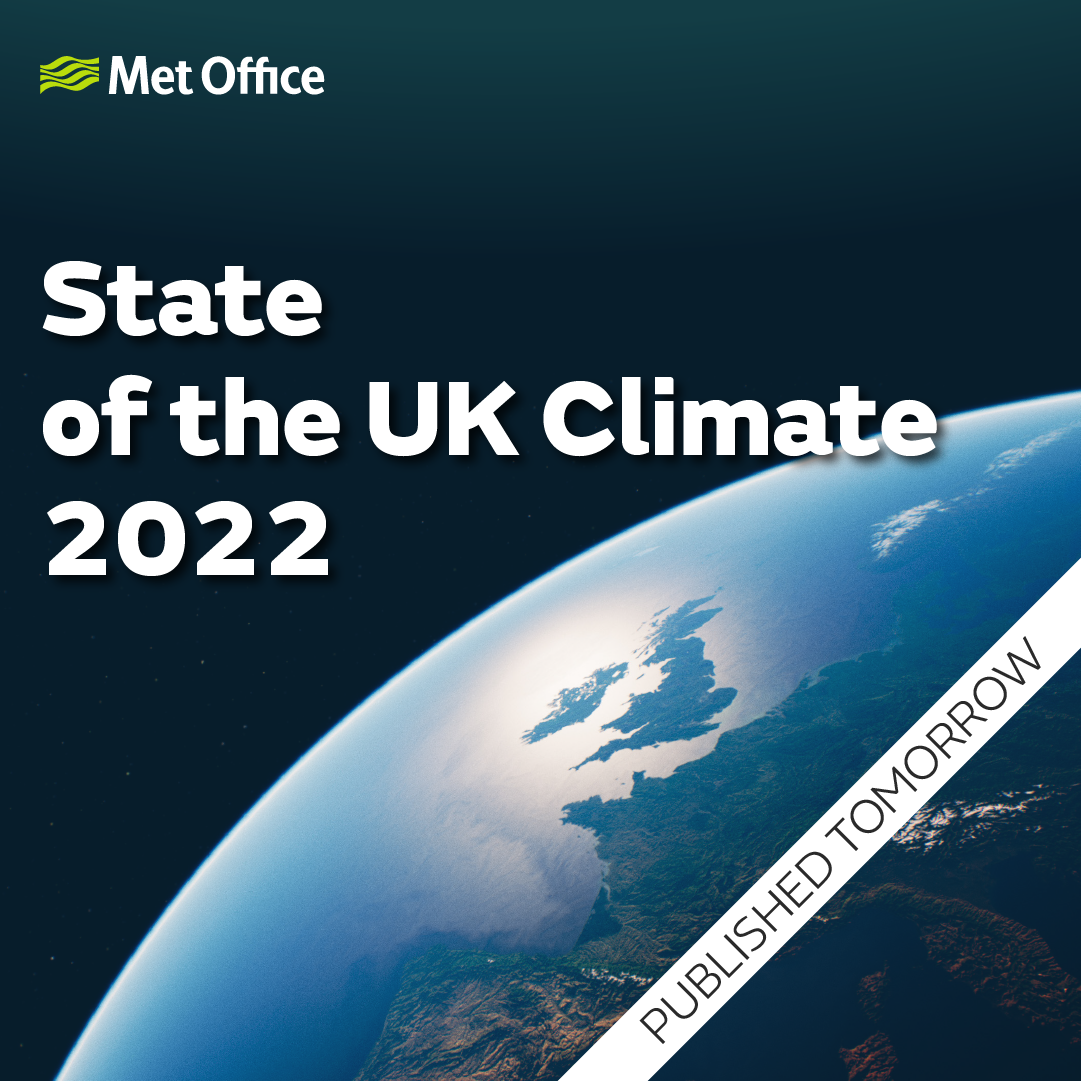
Tomorrow, the Met Office annual State of the UK Climate Report for 2022 will be published by The Royal Meteorological Society in their International Journal of Climatology. The report provided a summary of the UK weather and climate through the calendar year 2022.
Keep a look out on our social channels where we’ll be sharing some of the key report findings.
|
|
|
Follow us on the social media channels below to join the conversation.
#GetClimateReady
|
|
|
To subscribe or unsubscribe please visit our email updates page to access your preferences.
The Met Office is not responsible for the content of external internet sites.
|
|
|
|