|
Spring into March! - 4 March 2022 |
|
Make food matter in March
It's Food Waste Action Week from 7 to 13 March so we are asking residents to really try and reduce the amount of food wasted.
We're including top tips on how to make those changes and also what to do with your grass at this time of year and how to make a butterfly puddling pool.
|
|
Reduce your food waste
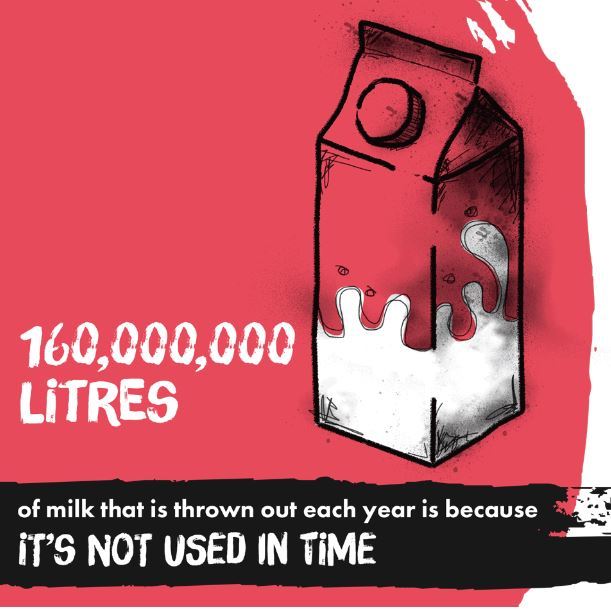
Across the world, roughly one third of all food produced for human consumption goes to waste and on average, every household throws away around £15 of wasted food each week.
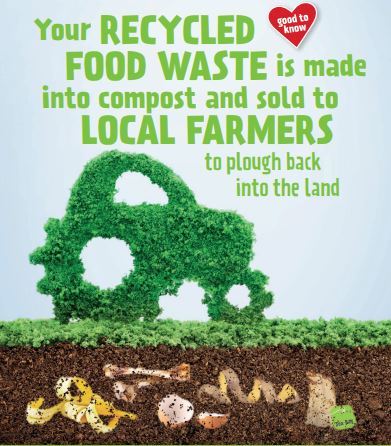
Maidstone Borough Council is encouraging everyone to use a food caddy for their waste food.
Almost every house in Maidstone is offered the separate weekly food waste collection service. The material must be presented in the 23 litre brown/orange food caddy along-side your other wheeled bin. Food waste must not be in plastic bags unless they are compostable, but can be wrapped in newspaper to keep your caddy clean.
|
|
Top tips to reduce your food waste
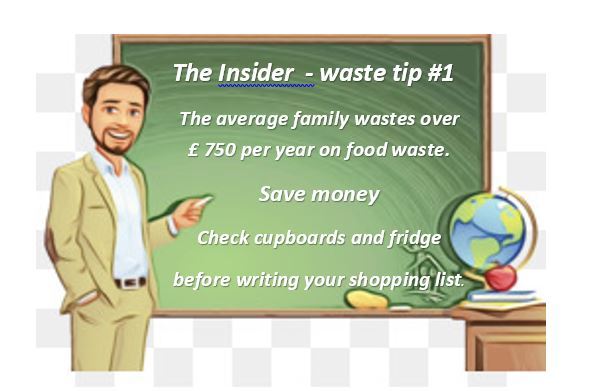 As the average family wastes so much money each day on food waste, here are some tips to help you save money and do your bit.
- Check your cupboards and fridge before shopping
- Write a weekly meal planner and a shopping list before going to the shops
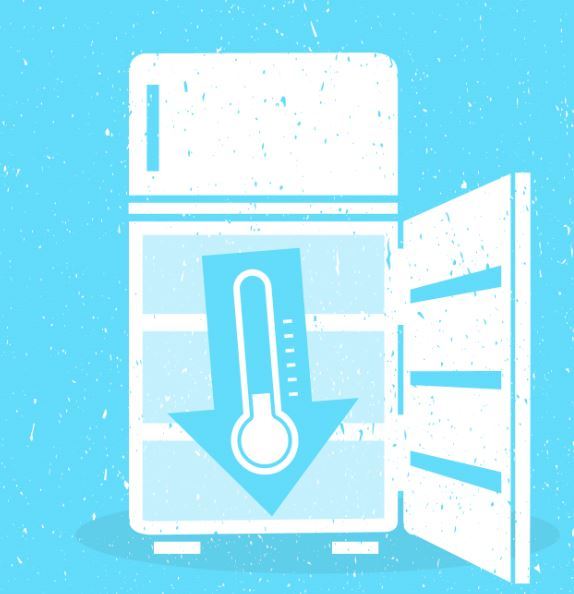
- Check your fridge temperature regularly. Best way is to get a fridge thermometer and place this in the middle of the fridge in a glass of water overnight. Ideal fridge temperature should be between 1 to 4 degrees C
- We’ve all cooked too much occasionally, but don’t waste it. Let it cool and freeze it to eat another day or make a soup for tomorrows lunch
- The lower part of your fridge is the coldest part. Store items (like meat) which require colder conditions at the bottom
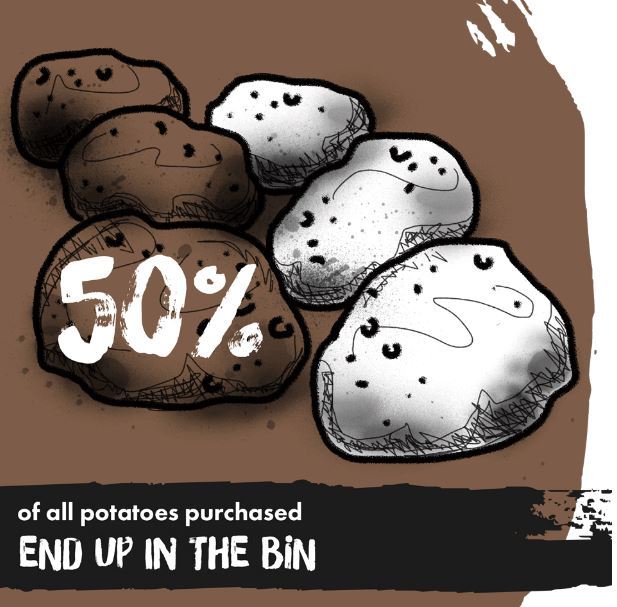
- Store onions and potatoes in a dark cool cupboard
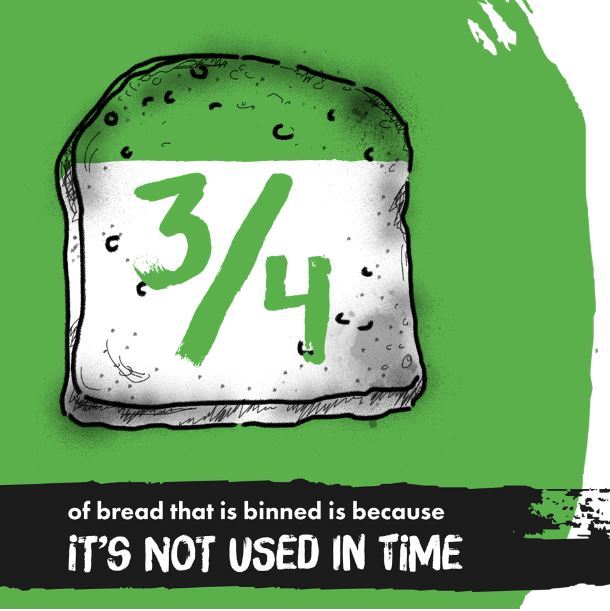
- You can freeze bread, store it in the correct portion size and then toast it straight from the freezer.
|
|
A to Z of food storage
To help demystify food storage, Love Food Hate Waste has developed a new A–Z food storage guide to point people in the right direction. The guide will tell you whether foods last better in the cupboard or fridge, and whether or not something can be safely frozen.
- Potatoes – these belong in a cool, dark place, not the fridge.
- Eggs – these belong in their original box and in the fridge. Did you know you can freeze them if you’re worried about not using them in time? Separate the whites and yolks and pop them in a labelled container.
- Tomatoes – these can be stored in the fridge to make them last longer.
|
|
Chilling 1-4 degrees
The average fridge in UK homes is set to 7 degrees, which is far too high for most foods, meaning they go off quicker and get wasted. Food that is wasted will rot and release methane – a greenhouse gas which can contribute to climate change.
Checking and changing your fridge temperature to 1–4 degrees can make food last up to three extra days, keeping it fresher for longer and preventing it going to waste.
Not sure how to check the temperature? The Love Food Hate Waste fridge thermometer tool can help you work it out.
|
|
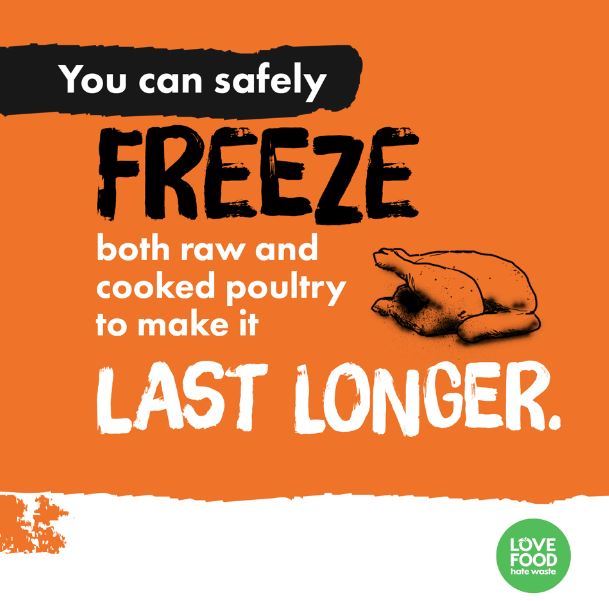
Easy freezy
Make the most of your freezer to prevent food being wasted:
- If you’re not a keen meal planner, remember you can freeze food right up to the use-by date. Perfect for those spontaneous dinner plans – just pop your food in the freezer instead!
- Be portion smart with what you freeze. If you have some fruit about to go off, chop it up and freeze it in chunks! An ice-cube tray is your friend here – freeze chunks separately in the different sections, then when they’re good and chilled pop them all in an airtight container or bag.
- Scribble on a label or even the packaging to say when you’ve frozen a food item and what’s inside so you can see at a glance what delicious treats you’ve got. That way, you won’t end up with an accidental mis-matched meal, like chilli con leftover curry!
|
|
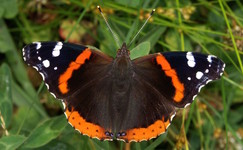
Make your own butterfly puddling pool
Why not make a butterfly puddling station as they need water to stay healthy and hydrated. You will need:
A shallow dish or saucer
Gravel and small stones/pebbles.
Soil or sand.
Place soil and/or sand at the bottom covered with enough water to saturate it then add gravel/stones that are not under water.
For best results position near butterfly food source plants such as Buddlea if you have them.
Water is essential for wildlife to survive and not just by drinking! Use bowls or saucers that have gradual edges, rough textures and pebbles for insects to rest on and access the water. Put it where you can watch. You could consider a shallow stone filled bowl on the floor.
|
|
|
If you have any tips about gardening or how to minimise waste which others could use please let us know by emailing us at recycling@maidstone.gov.uk
We shall try to recycle your tip in a future edition.
If you have enjoyed reading this why not forward this email onto your friends and family to 'Stay Connected' to news from Maidstone Borough Council by subscribing here: https://maidstone.gov.uk/StayConnected
|
|
|
|