We're developing a new long-term Housing Strategy for 2026-2036, and we want to hear from you.
Housing affects all of us - whether it's about affordability, quality, safety, security, or the the type of homes being built. Your experiences and ideas are so important to help shape a strategy that truly reflects the needs and aspirations of our borough for years to come.
Come along to the next session where you can meet the people developing the Housing Strategy, share your views and help shape the boroughs housing future. This will take place on Saturday 18 October, 11am - 3pm at the Barking Learning Centre. Book your space here.
Or, if you can't make the face-to-face session, you can have your say online.
To improve safety for everyone in your building, a new lease requirement is being introduced. All leaseholders will be written to and will be required to provide the council with:
- A valid annual Gas Safety Certificate
- A valid Electrical Installation Condition Report - this will be required every 5 years.
This change is in line with the Building Safety Act 2022, which continues to evolve to ensure residential buildings are safe and well-managed. The requirement applies whether you live in your property or sublet it and helps us maintain a safe environment for all residents.
What you need to do:
- Arrange inspections with qualified professionals - please check the Gas Safe Register for qualified engineers in the borough
- Once you have sourced a Gas Engineer, email the Council at fireriskassessment@lbbd.gov.uk
- Keep copies for your records.
We’ll be in touch with more details about when this requirement will officially come into effect and how to submit your documents.
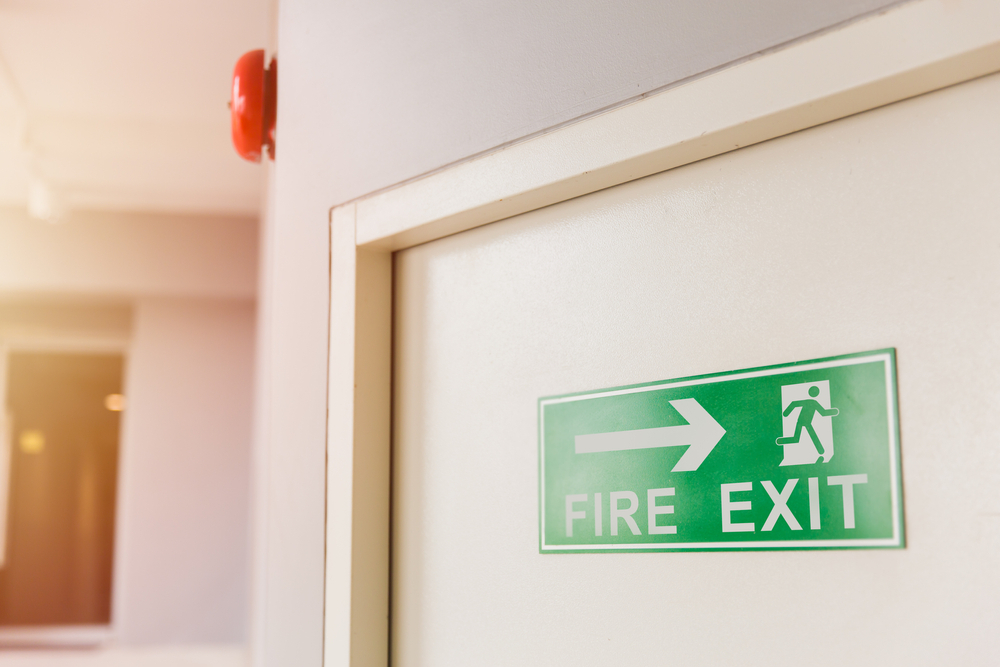
Fires can have devastating and fatal consequences. It's so important to keep your communal areas, balconies and outside space clear of any items that could obstruct fire routes, be a trip hazard during an evacuation, or cause a fire to start or spread.
We thank you for your continued co-operation with this and have outlined some other fire safety tips below which you may find helpful;
- Check your smoke alarm weekly
- Know what to do in the event of a fire
- Don’t overload extension leads
- Never leave lit candles unattended
- Check your fire doors.
See more fire safety tips, including how to check your fire doors are safe.
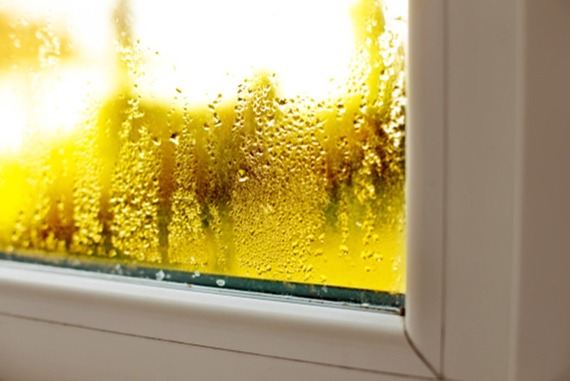
The main cause of damp and mould is too much moisture in the air. Moisture can build up without us even realising it. Simple tasks like doing the dishes or having a shower can each add two pints of moisture to your home alone.
Take a look at these top tips to reduce the humidity in your home - especially as we head into colder months:
-
Heating: Try to keep your home warm with a low background heat of at least 18 degrees, and open windows or doors to unused rooms frequently to circulate the air.
-
Drying clothes: Where possible dry clothes outside. Avoid drying clothes on radiators. Use a clothes airer in a room where a window can be opened, or an extractor or dehumidifier is on.
-
Cooking: Put lids on pans while cooking, close connecting doors, open a window and/or use the extractor fan.
-
Bathing: Use extractor fans where fitted and close connecting doors. After a bath or shower, open the window to let the air circulate and use a squeegee to remove excess water from tiles and shower screens.
-
Windows: Air your home by opening windows when possible. Leave trickle vents open and wipe away condensation on windows.
-
Furniture: Leave a small gap between furniture and outside walls. Avoid putting mattresses directly on the floor as air needs to circulate underneath and declutter rooms to improve air .
If you see damp or mould in communal areas, please ensure this is reported.

We’ve launched a new online repairs portal, designed to make reporting non-urgent communal housing repairs quicker and easier.
The new portal is:
- Fast: you can report repairs anytime, anywhere, in just minutes
- Easy: you can report repairs using a phone, tablet or computer
- Convenient: you will receive updates, can track progress and can book or reschedule appointments on the spot
Repairs can still be reported by phone, but many residents will find it quicker and easier to report online.
If you're a leaseholder, it's important to remember that your property is subject to certain conditions - and one of the most crucial is gaining written permission before making any alterations.
Whether you're planning to install a new kitchen, replace windows, knock down internal walls, or even change flooring, these changes could affect the structure, safety, or appearance of the building. That’s why your lease typically requires you to seek approval from your landlord before starting any work.
Remember, getting permission isn’t just a formality - it’s a safeguard for you, your neighbours, and the building as a whole.
If you're unsure whether your planned changes require approval, please get in touch with the Sales and Leasehold Management team at leasehold@lbbd.gov.uk before starting any work.
|