Diabetes Network Comms Update November 2025

diabetes network header
news

Welcome to our November newsletter update. In this edition we would like to update you about some of the great work going on in Greater Manchester (GM).

If you are receiving this for the first time, the aim is to keep you informed of the work of the Diabetes Strategic Clinical Network and developments that may impact people living with diabetes in Greater Manchester, Eastern Cheshire, and those providing their care. We want to make sure that health and care services across the region are kept up to date, so please feel free to share any of this content with your colleagues. 

Please also let us know if you would like us to share important news or information with other stakeholders in Greater Manchester by emailing adam.wallis1@nhs.net.


Bookmark and Share


Diabetes Clinical Network Autumn Event sparks collaboration

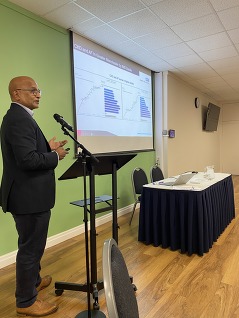
Diabetes Network clinical lead Naresh Kanumilli presenting

Healthcare professionals from across Greater Manchester came together last month for the Diabetes Clinical Network event.

The afternoon session was designed to spark collaboration, share the latest insights and learning, and develop understanding on how we can collaborate to drive improvements in diabetes care.

Set against the backdrop of rapid advances in diabetes treatment and technology, the agenda reflected the complexity and ambition of transforming care across pathways.

Diabetes medicines formed a key part of discussions throughout the day against the backdrop of new NG28 draft guidelines (NICE pathway guidelines), increased medicine spend and the number of new medicines in pathways.

Presenters unpacked the latest developments and their implications for clinical decision making and integration into patient pathways.

An improvement project was showcased, with interim findings from the Chronic Kidney Disease Dream project in Tameside and Oldham offering a glimpse of how integrated renal-diabetes pathways are evolving at locality level.

In addition, several other important topics were discussed including diabetes technology and a review of insights and impact from the GM Beyond Core Contract Review (BeCCoR) programme to incentivise enhanced reviews for people at high-risk.

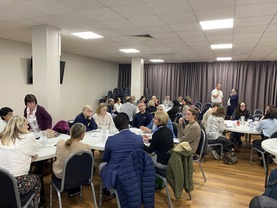
The Manchester city centre event closed with tabletop discussions and a plenary session led by the Networks' clinical leads and experts. This provided a chance to reflect on the day’s themes and explore how learning can be translated into action across Greater Manchester.

As the afternoon unfolded several powerful themes emerged reflecting both the complexity of diabetes care and the collective ambition to drive meaningful, patient-centred change including:

Delegates engaging in tabletop discussions at the diabetes clinical network event
  • Equitable access to medicines: Ongoing efforts are required to ensure that the use of diabetes and anti-obesity medicines are aligned with current treatment pathways, ensuring equitable access across different patient cohorts.
  • Redefining early-onset type 2 diabetes: Although early-onset type 2 diabetes is typically defined as diagnosis between ages 18 and 39, the clinicians present thought it was important to base the definition on when it was likely to have started. For example, people diagnosed in their early 40s with significantly elevated HbA1c levels, and/or established signs such as diabetic retinopathy should also be considered as having early-onset type 2 diabetes as it is likely that onset of diabetes substantially predated diagnosis. This approach will reduce inequalities as those in deprived areas are more likely to have a delayed diagnosis.
  • Shifting from treatment to prevention: In line with the NHS ambition to shift from treatment to prevention, delegates highlighted the importance of clearly defining primary and secondary prevention in diabetes care. This also supports efforts to transition treatment from hospital settings to community-based care.

The next steps will see the Diabetes Clinical Network reviewing the key takeaways from the day and working collaboratively to develop a focused action plan that translates insight into impact across Greater Manchester.


World Diabetes Day 2025: Take action to strike out stigma

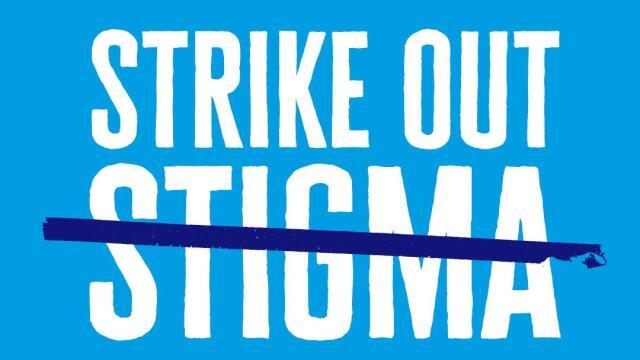
Graphic stating strike out stigma

This World Diabetes Day you have the opportunity to help challenge the stigma surrounding diabetes and support those affected by it. Diabetes UK is inviting healthcare professionals, communities and individuals to join the next phase of its awareness campaign ‘Strike Out Stigma’.

With the key message that “Stigma causes harm. And that’s not ok,” the campaign calls for people to speak up, share resources and help change perceptions. Visit World Diabetes Day 2025 Strike Out Stigma for more information.

Explore additional resources from Diabetes UK to better understand the impact of stigma on people living with diabetes and how we can work together to address it:

Whether you're raising awareness, improving care, or advocating for change your voice matters. Let’s strike out stigma together.


World Diabetes Day 2025: Message from our Clinical Lead

DB Naresh Pic

To mark World Diabetes Day 2025, Professor Naresh Kanumilli, clinical lead for the Greater Manchester Diabetes Network has shared a powerful message on LinkedIn celebrating recent progress in diabetes care across the region.

In his post Prof Kanumilli highlights:

  • The successful Diabetes Clinical Network Autumn Event.
  • Integration of the latest medicines into clinical pathways ensuring benefits for people living with diabetes from the latest treatments.
  • New guidelines for Continuous Glucose Monitoring (CGM) and Hybrid Closed Loop systems (HCL) supporting safe and equitable access to the latest technologies.

These milestones highlight the progress and collaboration shaping diabetes care across Greater Manchester. Read Prof Kanumilli’s message at Greater Manchester, & Eastern Cheshire Strategic Clinical Network LinkedIn.


resources

High risk of medication errors due to new Rybelsus formulation

Rybelsus tablets will be replaced with a new formulation with increased bioavailability resulting in lower doses to attain the same drug exposure. The co-existence of two formulations during the transition period could present a risk of medication errors health care professionals will need to be aware of. For further information and actions for GP practices please visit Rybelsus guidance.


Northwest Coast Clinical Network cardiac health information videos

The North West Coast Clinical Network has released a pioneering series of free videos to support heart health. Designed to improve access to vital information, especially for underserved communities, these videos help address longstanding inequalities in cardiovascular care.

Videos are available covering the following topics and are available in several different languages:

  • Adult Basic Life Support
  • Cardiovascular risk factors
  • Coronary heart disease and how the heart works
  • Healthy eating
  • Mental health and wellbeing
  • Physical Activity and exercise
  • Understanding your medicines

The free to access videos can be accessed at North West Coast Clinical Networks cardiac videos


New courses launched: Kidney and pancreatic health in type 2 diabetes

Kidney Health Mini Module: Diabetes UK have developed a bite-sized learning series with Kidney Health, a 20-minute module co-created with Kidney Research UK. It offers practical insights to help clinicians support people with diabetes in protecting their kidney health. Access the course at Diabetes UK.

Diabetes and pancreatic cancer online course: Produced by Pancreatic Cancer UK this six-part course offers healthcare professionals a clear introduction to diabetes and pancreatic cancer, along with practical guidance on managing both conditions. Access the course at Pancreatic Cancer UK.


10-Year study reveals shifts in diabetes outcomes

A major study has tracked health outcomes for people with type 2 diabetes in England over a decade revealing both progress and ongoing challenge. Researchers looked at mortality rates and hospitalisation rates across different age groups, ethnicities and levels of deprivation.  While overall death rates declined especially from cardiovascular causes, hospitalisations for kidney and liver disease rose and younger adults saw increased heart related complications. These findings point to key areas for improvement in health policy and care delivery. To read the findings visit Type 2 diabetes trends in mortality and hospitalisations.


Professor Roy Taylor answers questions on type 2 diabetes remission

The Journal of Diabetes and Primary Care has published a Q&A article on type 2 diabetes remission, featuring questions from the Diabetes & Primary Care editorial board and readers. It explores three key areas: how to support people with achieving remission, assessing and coding remission and the remission evidence base. Read the full article at Type 2 diabetes remission Q&A.

For those motivated to achieve remission, the Type 2 Diabetes Path to Remission Programme is freely available in Greater Manchester. Delivered by Momenta, the programme offers step-by-step support throughout the remission journey.

Access referral guidance and clinical resources including the referral toolkit, deprescribing guide, and video tutorials at T2DR programme clinical resources.


events

National Primary Care Diabetes & Obesity (PCDO) events open for registration

There is still time to register for the National Conference of the Primary Care Diabetes & Obesity Society, on 19–20 November in Birmingham.

The conference will give you the opportunity to learn from the experts and enhance your practice via a mixture of lectures and masterclasses on the topics that matter in primary care, including the latest therapies, lifestyle advice, and new and upcoming guidelines and NHS pathways.

Please visit PCDO Conference to register.