Greater Manchester's health and care news: March 2021

View this bulletin as a webpage / Share

Greater Manchester's health and care news: March 2021

Covid-19 caccination

The number of people vaccinated against coronavirus continues to rise

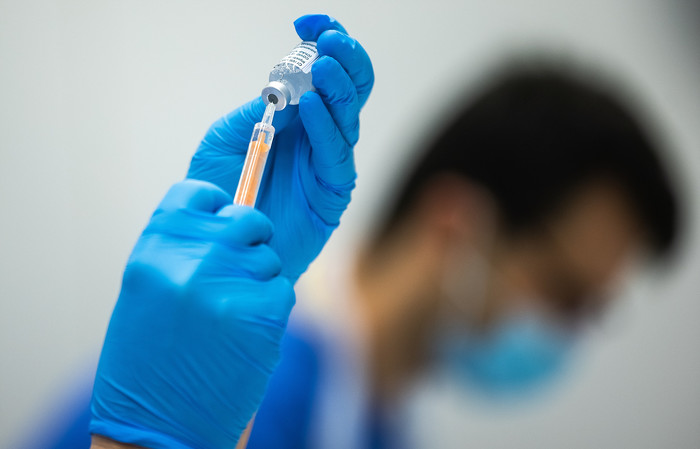
The Covid-19 vaccination programme has continued to make impressive progress and more than 937,000 people in the city region have received at least one dose of the vaccine.

This includes more than 90% of our residents aged over 70, 85% of people aged 65-69 and more than 81% of our health and social care workers who work face-to-face with other people.

The vaccine means that fewer people will get Covid-19 and those who do are less likely to become seriously unwell, go to hospital, or die.

Getting vaccinated not only protects the person receiving the jab, but also their family, friends, and anyone else they may come into contact with.

The groups of people eligible for the vaccine continues to expand. The order of priority is based on advice from the Joint Committee on Vaccination and Immunisation.

The aim is to have offered all adults in England a first dose of the vaccine by the end of July.

If you’ve not already been vaccinated, you will be contacted when it is your turn and asked to book an appointment.

Please remember, if you have already received the vaccine it’s essential to still follow all the government’s rules and guidelines.

“We owe women a huge debt of gratitude”: Greater Manchester marks International Women’s Day

International Women’s Day was marked in style on 8 March by health and care leaders across Greater Manchester.

The day was a chance to celebrate the significant contribution that has been, and continues to be, made by women across the city region in dealing with the coronavirus outbreak.

Women make up 80% of our workforce and play a vital role in Greater Manchester’s health and care system.

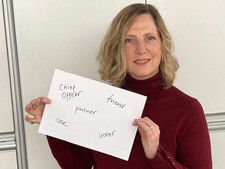
Sarah Price, interim chief officer of Greater Manchester Health and Social Care Partnership, said: “Representing over three quarters of our workforce, our female colleagues across health and care have worked tirelessly over the past year.

“They have managed so many unknowns over such a long period of time, often moving to work in the areas that needed them most, seeing colleagues fight the virus, at the same time as being regularly at risk themselves.  We owe them a huge debt of gratitude.”

Sarah Price - IWD

Read more

New Greater Manchester endoscopy unit

A new Greater Manchester endoscopy unit based at Fairfield General Hospital in Bury began treating its first patients in January.

The twin-roomed unit will operate for six months initially from a temporary building set up on the Fairfield General Hospital site.

The unit has been specially commissioned by Greater Manchester Health and Social Care Partnership to support the delivery of endoscopy services following the pandemic disruption.

An endoscopy is a procedure where a medical instrument is used to look inside a patient’s body to investigate symptoms and diagnose problems.

The unit is currently prioritising patients who most urgently need an endoscopy.

Read more

Actor-turned-radio presenter Gemma Atkinson asks everyone to think ‘111 first’

Gemma Atkinson

Local star Gemma Atkinson is helping spread the word about NHS 111 First – a more convenient way for people to get the urgent care they need.

The Bury born actor and broadcaster is lending her support to our campaign to encourage people to ‘think 111 First’ instead of heading straight to their local emergency department.

Gemma has recorded a short film to explain the benefits of the service and how to use it.

If you need urgent care, then NHS 111 can book you in to be seen quickly and safely in A&E.

NHS 111 is also able to direct patients to, or book an appointment at, urgent treatment centres, GP surgeries, pharmacies, emergency dental services and walk-in clinics.

You should still dial 999 if you have a life-threatening illness or injury.

Use NHS 111 either by visiting the website 111.nhs.uk or by calling 111 

Read More


Be a Care Hero

Could you support your local community by caring for the most vulnerable?

Adult social care organisations across the whole North West urgently need people to help provide essential care to those that need it most.

We are looking for people who can provide direct care to people in a care home or their own home. You don’t need any previous experience. We are looking for kind, caring and compassionate people with good communication skills.

#Be a care hero

You could be recruited into any number of roles but primarily we are looking for people to work as care assistants. Care assistants mainly support older people or people with a disability to complete everyday tasks that they struggle to do on their own. For example, you could be helping to prepare meals, supporting people to wash, get dressed or take their medication.

Working in adult social care can be challenging but is one of the most rewarding jobs around.

Find out more


Looking after our mental wellbeing

The pandemic has been hard on all of us, though undoubtedly some people will have struggled more than others.

Worries about work, our nearest and dearest, and the effects of social isolation have all taken their toll on our collective mental health.

Mental health

We should all be reaching out to friends and families during this period, especially if they are living alone. Your support can make a real difference.

If you’re struggling please have a look at the mental health and wellbeing resources in your area, including the Greater Manchester Bereavement Service.

You can also visit the Every Mind Matters website for tips and advice for dealing with anxiety.

If you’d like to make sure you’ve got the confidence to talk to someone that might be really suffering, find the time to take our free online suicide awareness training Learn to Save a Life.


Telling the story of healthcare in Greater Manchester during the pandemic

Over the last few weeks The Manchester Evening News has been reporting on the way our colleagues have been dealing with the impact of coronavirus, how they have had to adapt, and how they have coped with one of the most challenging periods of their professional lives.

The paper has produced some breath-taking journalism allowing the reader a glimpse of what it’s been like in our hospitals over the last year.

If you have not seen the fantastic reporting you can find out what it’s been like at Fairfield General Hospital, Rochdale Infirmary, Manchester Royal Infirmary, Royal Oldham Hospital over the last 12 months.

As well as the challenges faced and overcome in Wythenshawe Hospital’s Critical Care Unit, Royal Bolton’s maternity ward and by the Northern Care Alliance’s bereavement team.  

facebooktwitter