|
Would you like to view the web page version of this email? Click here
|
|
|
|
|
|
|
Summer talks, newly digitised documents and an insight into volunteering at The Keep!
|
|
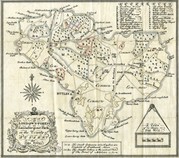
We're delighted to be welcoming Dr Brian Short to The Keep later this month to give an illustrated talk about the history of Ashdown Forest, in particular the 19th-century dispute that pitted foresters, commoners, conservationists and wealthy newcomers against each other in a struggle for the forest's resources. There will be a display of original material from our archives accompanying the talk, a slideshow of wonderful old photographs of the surrounding area, and the chance to listen to extracts from oral histories gathered through the Ashdown Forest Heathland Project, which have been digitised at The Keep as part of the British Library's Unlocking Our Sound Heritage project. The event will take place on Wednesday 19 June from 2.30-4pm. Do come along as it promises to be a fascinating afternoon! Booking is recommended - you'll find all the details on the Event pages of our website.
Pictured above: an early map of Ashdown Forest from our archives, reference AMS 4084
|
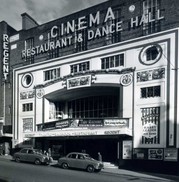
If you're interested in the changing face of Brighton in the 20th century, why not join us on 26 June, when author and local historian Christopher Horlock will take us on a trip down memory lane, reflecting on many of Brighton's landmark buildings that have been lost since the Second World War. These include the West Pier and Hanningtons department store, as well as the town's famous dance halls and cinemas. The talk will start at 5.30pm, with a display of original material available to view from 5pm on the day. Advance booking is essential - please visit the Event pages of our website.
|
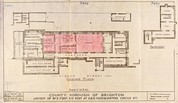
The digitisation studio at The Keep is a busy place - it's where, among other things, documents are scanned so they can be viewed on computers in our Reference Room. This makes them more accessible to members of the public, particularly if the originals are fragile or oversized. Volunteer John Phillips has recently digitised a number of archives relating to WW2, including plans prepared in the Engineers' department of Brighton Borough Council in the late 1930s and 1940s. Many of these illustrate preparations for life in wartime, from the provision of air-raid shelters in local schools, parks and public spaces, to ARP wardens' posts, first aid centres and mortuaries for the disposal of civilian dead. The plans have been listed numerically on our website with the prefix DB/D/84, but to identify individual plans, you can consult the more detailed registers, which are indexed and listed under DB/D/114.
|
Pictured: plans for a first aid post at the ARP HQ in Circus St, Brighton, 18 August 1943, DB/D/84/7490

Volunteers contribute to life at The Keep in many different ways, supporting staff both behind the scenes and on the frontline in tasks that range from sorting and listing documents to assisting at public talks and events. It's always a pleasure to celebrate their achievements and National Volunteers' Week, which runs from 1-7 June each year, is the perfect opportunity. For the fourth consecutive year, we will be sharing volunteers' experiences on our blog throughout the week, so do take a look! If you'd like to find out more about volunteering at The Keep, please see the 'Getting Involved' pages of our website. And if you'd like to support our work in other ways, do consider joining our Friends group, FoTKA, which is run entirely by volunteers!
|
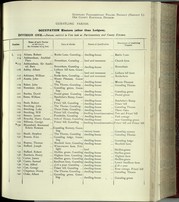
Regular visitors to The Keep will know of the wide range of resources held here to support family history research, from census returns and parish registers to Poor Law records. The Sussex Family History Group is based here too, with volunteers providing advice and access to material that covers the whole county. If you're inspired by TV shows such as Who Do You Think You Are? and would like to trace your ancestors, do feel free to pop in and make a start.
If you'd like a comprehensive introduction, we will be repeating our First Steps in Family History session led by SFHG's Roy Winchester on 10 July from 2-4pm, which will outline all the basics and give you a chance to have a look at some original examples. Numbers will be strictly limited so advance booking is essential! And if you have specific queries but aren't able to visit The Keep in person, we can offer expert help via our research service; more details on our website.
Pictured: extract from the Rye register of electors for 1893, reference C/C 70/267
|
|
|
|
|
|
|