Planning loopholes threaten green space access
A coalition of environmental charities has warned that proposed changes to England's biodiversity net gain rules could deepen inequalities in access to nature, particularly in poorer communities.
A new report found that more than 7.4 million people live in areas with little or no immediate biodiversity, including 1.42 million children. The groups argue that exemptions for smaller developments and some brownfield sites would disproportionately affect deprived areas, where such schemes are more common.
Biodiversity net gain rules, introduced in 2024, require most developments to improve biodiversity by at least 10%. Campaigners say weakening the policy risks widening environmental disparities, while calling on ministers to retain protections and ensure all communities benefit from access to green spaces and nature.
 Beavers cutting flood risk in Yorkshire
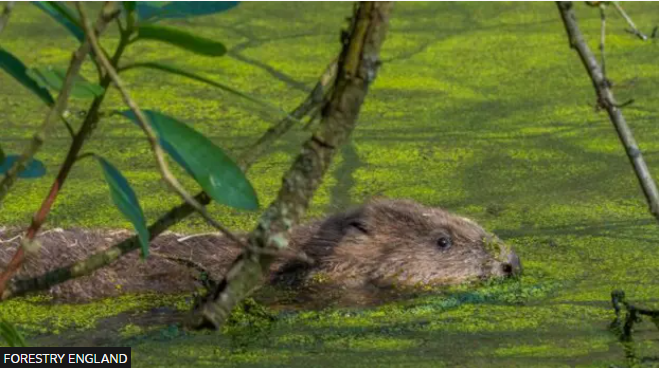
Researchers at the University of Leeds have found that the release of two Eurasian beavers into the North York Moors has already helped cut the risk of flooding, thanks to six new dams built by the new residents.
Researchers also found increased diversity in plants, as well as among mammals, amphibians and dragonflies, and in bat populations.
Differences persist between ex-arable and ancient woodland even after 25 years, study suggests

A rare long-term study of woodland creation, conducted found that ex-arable woodland was distinct from adjacent ancient woodland 25-years after planting.
The researchers found that the soil characteristics and both plant and fungal communities in ex-arable woodland remained distinct from those in ancient woodland 25-years after planting. Several properties – such as soil pH, available phosphorus and potassium, and overall plant diversity – showed signs of gradual convergence but an absence of specialist woodland species persisted.
|
"Crayfish - End of Days?" video
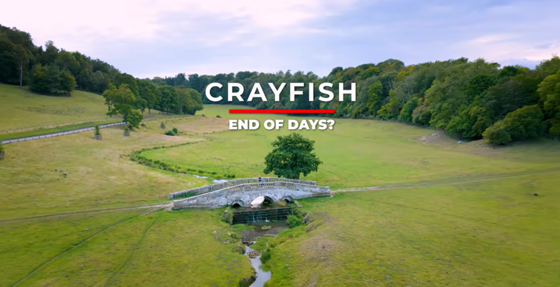 Ever wondered what it’s like being a white-clawed crayfish? Join Ellie and Simeon as they take us through the plight of the white-clawed crayfish, interviewing crayfish the length and breadth of Britain, getting the inside story of their struggle for survival and what’s being done to help protect them from invasive species such as the signal crayfish, as well as actions you can take to help protect them!
Successful Release of White-Clawed Crayfish reared at Flamingoland Hatchery
180 juvenile white-clawed crayfish have been successfully released into an ark site on the River Swale. These young crayfish were reared at the Flamingoland hatchery over the past year and are now helping to strengthen wild populations in a safe environment.
The next phase of the project is already underway. 15 berried females were collected in May. Many eggs have now hatched, and some juveniles have already reached the stage where they are leaving their mothers and beginning life independently.
The adult females will remain in Flamingoland’s care until they have completed their post-breeding moult, after which they will be returned to the wild. Flamingoland will then continue raising this year's juveniles in the same way as last year's successful cohort.
Solar Farms and Skylarks
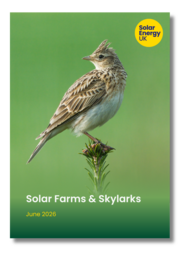
Solar Energy UK (the trade body for the solar sector) have recently published a topic paper on solar development and skylark mitigation, which may be of interest.
This brings together evidence on skylark mitigation and compensation measures associated with solar farms. It aims to support more consistent and proportionate decision-making by summarising the current evidence base, outlining different mitigation approaches and highlighting considerations for decision-makers.
According to SEUK, the paper has been informed by input from academics, ornithologists, NGOs and industry representatives through a peer review process.
|
Demystifying Biodiversity Finance - new paper
 |
|
A new review written by a team bringing together both conservation and finance experts explores and explains the potential role for biodiversity of bonds, credits, risk and the future of financing nature recovery. |
Let’s Save Water Campaign
In England, we're using water faster than nature can replace it. We all use more water than we think. The average person estimates they use 30 litres a day; in reality it's nearer 140 litres.
Saving 28 litres (a kitchen sink full) in England per person, per day will ensure there's enough water for generations to come.
Forest of Flowers - training events and wildflower advice
Not far from the East Riding border, Forest of Flowers manage a 100+ acre nature reserve at Huby, near York, including wildflower meadows and woodland created 10 years ago from farmland. They run a small business to fundraise for their conservation work (growing & selling wildflower seeds, plug plants, honey, and hosting nature events & training). They also give wildflower advice and run events and training courses - all in a setting where you can see nature recovery in action.
Wildlife Photographer of the Year
Last chance this week
This week (ending 19th July 2026) is the last chance to see the incredible Wildlife Photographer of the Year exhibition in Sewerby Hall.
The Climate Resilient New Town: A Vision
Thursday 23rd July 2-3pm, Free Webinar
Join the TCPA as they launch their vision for a Climate Resilient New Town. Following on from their 21st Century New Towns vision published last year, they are exploring what would a new town look like if it was designed with climate resilience at its heart?
As the government prepares to launch a programme to deliver a new generation of new towns, it is vital that climate resilience is a key objective, to create places where fossil fuels are redundant and people and nature live without fear of fuel poverty or the devasting impacts of overheating and flooding.
The Curiosity Garden Exhibition
Now until November
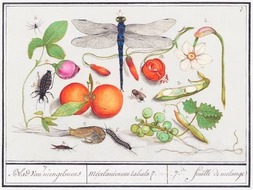
The Curiosity Garden explores William Constable's remarkable collection of dried plants, known as his "dry garden", and the story of the Herbarium at Burton Constable Hall. This extraordinary collection reveals how closely the house is connected to its landscape.
Step into Nature and History within York's City Walls
Saturday 1st August 10-4pm
Discover York’s nature and heritage and celebrate Yorkshire Day by exploring our historic City Walls and ancient architecture. Follow the ‘Stepping Stones’ Trail and uncover hidden connections between nature, heritage and historic spaces. Further activities to be announced.
|