|
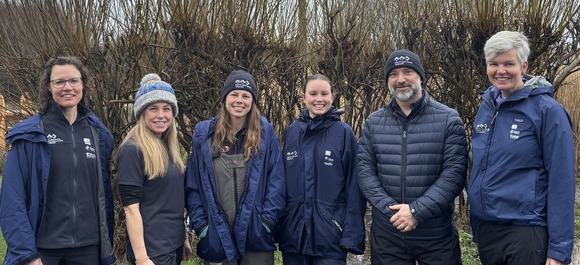 Wildlife Warden dream team
As the first signs of spring begin to ripple across our heaths, estuary, and coastline, there’s a familiar sense of anticipation in the air — that quiet moment before the season truly bursts into life. It’s a time of year that always feels exciting for our team, as the landscape shifts, the daylight stretches out, and the wildlife we work so hard to protect begins the first chapter of the year: the bird breeding season...
|
|
|
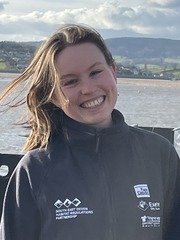
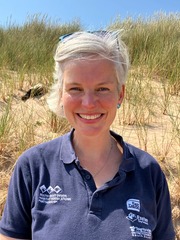
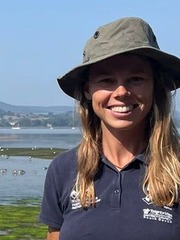
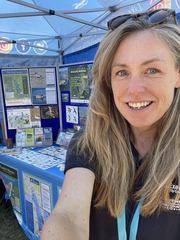
Before we dive into what’s ahead, I’d like to pause and introduce (or reintroduce!) the people behind the scenes. Thanks to the brilliant response to our Let Birds Be competition at the end of last year, our community has grown — and we’re so glad you’re part of it. It feels like the perfect moment to share more about who we are and the work we do together to protect East Devon’s wildlife.
As Wildlife Wardens, we work across the Exe Estuary, Dawlish Warren, and the East Devon Pebblebed Heaths, helping visitors connect with these internationally important sites while safeguarding the species that depend on them. Find out more about each of us by clicking on the names under our smiley smiley faces.
|
|
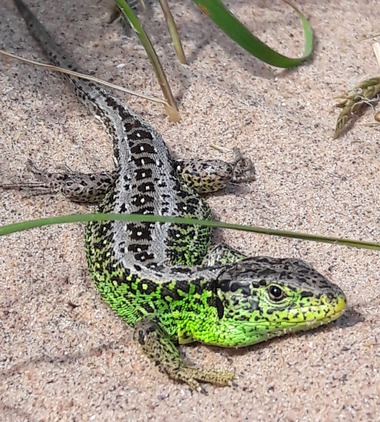 Male sand lizard - photo credit Phil Chambers
Spring is one of the most hopeful — and sensitive — times of year across our South East Devon Nature Reserves. Whether you’re exploring the dunes at Dawlish Warren, walking the wide, open Pebblebed Heaths, or watching wildlife on the Exe Estuary, this is when many birds, reptiles and marine mammals are nesting, basking or resting.
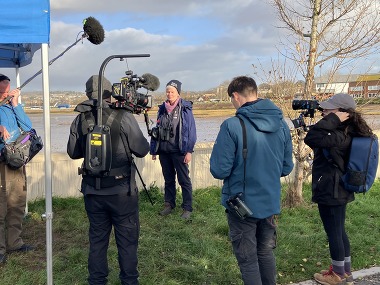 Countryfile filming Warden Katie
At the beginning of December, there was great excitement from our team when we learned that Countryfile wanted to come and film us, and the Exmouth and Dawlish Warren Wildlife Refuges.
Working closely with the BBC Countryfile team, our officers planned a detailed filming programme that showcased the best of our wildlife work — from a patrol‑boat visit to the estuary’s Wildlife Refuges to a stop at our South East Devon Wildlife gazebo on the Imperial Recreation Ground to highlight our public engagement work.
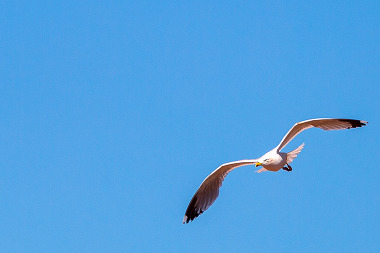 That is what its Latin name means, Larus Argentatus, which is a lot more apt than the term Herring gull because they do not have a special preference for this species of fish!
Common and widespread, it is easy to overlook our resident Herring gulls in favour of rare shore visitors, but they are beautiful, loyal birds which pair for life and it is equally important to allow them space to feed and rest undisturbed by keeping our distance and not allowing dogs to give chase.
With their piercing eye, quick manoeuvres and protective nature they may not be endearing to us, but who can blame these clever birds for adapting to a fast-changing environment where roofs have replaced cliffs, and climate change because of human impact has significantly reduced their food in the oceans?
Truth is they are struggling, really struggling, with a UK population drop of 60% between 1969 and 2015. Due to this level of decline Herring gulls are on the Red List of Birds, alongside another 69 British bird species of serious conservation concern..
|
|
Long-tailed tit
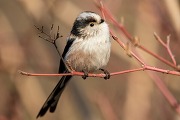 Long-tailed tit (Alexis Lours)
The Long-tailed tit is a tiny, sociable bird easily recognised by its soft pink, black and white colouring and its tail, which is longer than its body. Usually seen in lively flocks flitting quickly through hedgerows, woodland and gardens.
Birds Nesting
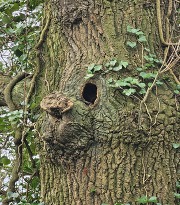 Woodpecker nest hole
Spring is a busy time and while most birds will go to great lengths to create nests from scratch, Great Spotted Woodpeckers are happy to move into existing tree cavities such as this oak. Earlier this month, I witnessed the drumming display and noisy squabble of three Woodpeckers at the top of this tree, so fingers crossed there will be chicks peeking out in April!
Dartford Warbler
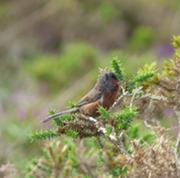 Less warbley, more scratchy
It is worth remembering that not all birds locate their nests up safe and high: Dartford Warblers prefer the dense prickly gorse, Skylarks nest on the ground in short vegetation, and Nightjars opt for scrapes on the heathland floor, relying on their camouflage to avoid detection.
Lesser Celandine
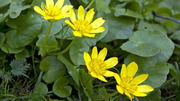 Lesser Celandine
One of the first wildflowers to appear after winter, the glossy, golden star of Lesser Celandine is not only an important nectar source for our early emerging bumblebees – it was a favourite of Wordsworth, who penned no less that three odes to it. Move over daffodil!
|
|
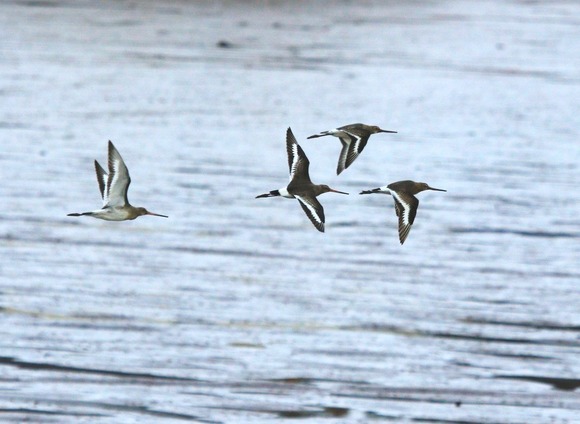 Black-tailed Godwits in Flight (Derek Carter)
The history of bird migration is almost as captivating as the journeys the birds make themselves and, in this article, we look at some of the historical milestones that trace our unfolding understanding of bird migration.
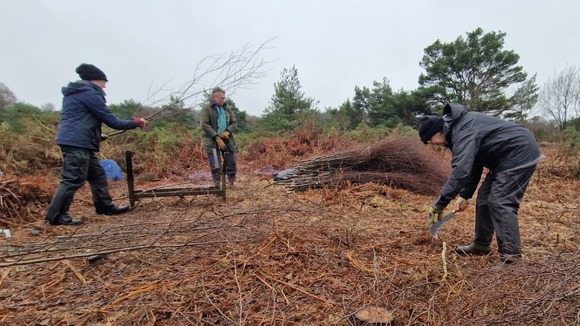 It’s been a wet few months on Aylesbeare Common and over the last month Sam & Judit, our residential volunteers, have been learning how we’re helping to mitigate the impacts of our changing climate..
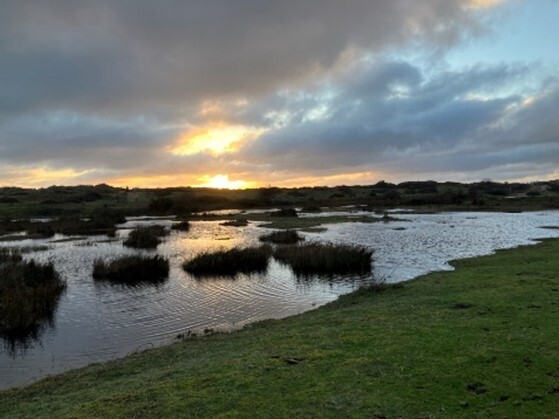 A wet start to the year at Dawlish Warren NNR
The New Year started very unsettled with three storms battering Devon, one after another!
Storm Ingrid stripped lots of sand off the beach here and eroded metres of precious sand dunes away, leaving behind steep sand cliffs and sharp metal hazards exposed on the seafront. Fortunately,the Environment Agency field team have been able to remove this unsightly and dangerous debris. From a nature reserve perspective, we have lost more of this designated habitat in what has become a familiar pattern. Rising sea levels, more extreme weather events and a shortage of sand on the beach are all contributing to the continuing erosion of the sand spit.
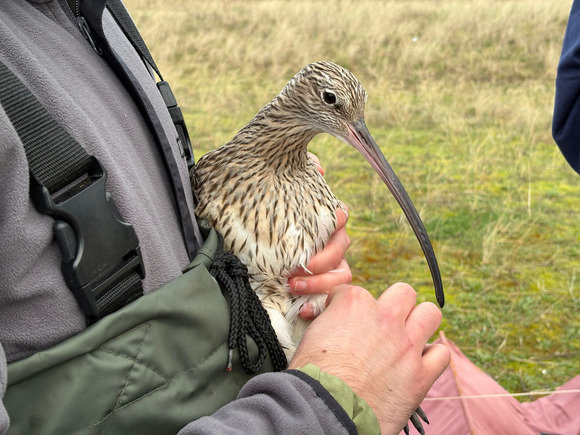 Curlew ID Ringing
On Saturday 21 February, South East Devon Wildlife Wardens Marije and Katie were thrilled to join a successful bird‑ringing session at Dawlish Warren Nature Reserve, working up close with wading birds as part of important conservation monitoring.
|
|
|
|
|