|
|
With the summer solstice behind us and the longer days of summer in full swing, what more perfect time to look back on past months and reflect with gratitude on the wildlife wonders this spring brought to life?
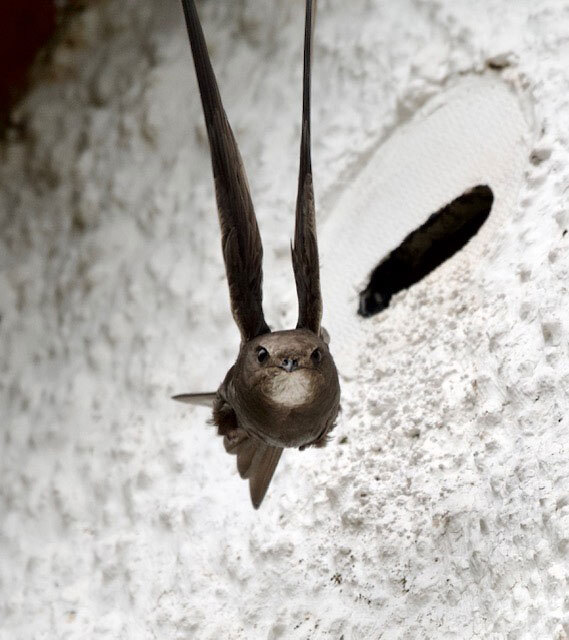 Swift (Credit: Jerry Horn, Devon Swift Project)
As I write this evening, swifts are screaming through the expanse of airy blue above my garden. They are one of my favourite birds - not just because their presence is a sure-fire indicator that another firm favourite, the nightjar, will have returned to our heaths for the breeding season - but in their own right; because their joyous, carefree flight embodies all that is wild and free.
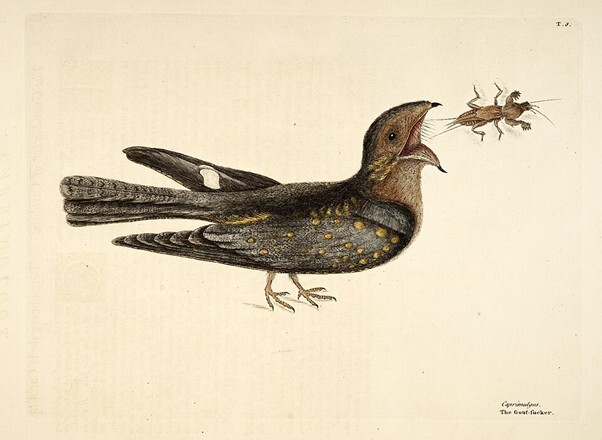 The Goatsucker (M. Catesby, 1754)
Have you ever wondered about the beliefs and myths behind nightjars?
Nightjars were believed to be helpers of the devil. The story goes: as they fly around at night, nightjars would suck goat’s milk, poisoning them, causing their udders to waste away, grow blind or die. These myths were common among many European countries with records dating them as far back as 80 AD.
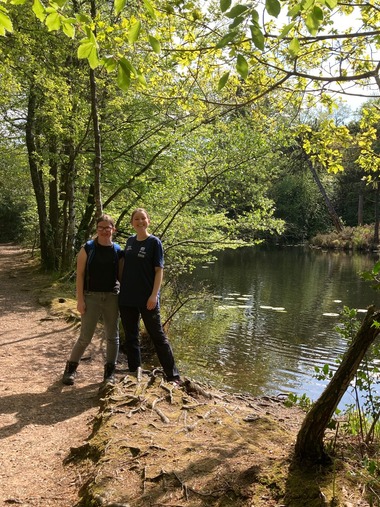 Millie and Claire at Bystock Pools
In light of National Volunteer Week recently, we wanted to shine a light on our amazing volunteers and all the work they do for us!
“I love volunteering with the SEDW team. It gives me the opportunity to learn from the rangers but also to share my natural history knowledge with them and members of the public. My role is varied from manning the gazebo, walking the Commons, knowledge sharing, mapping walks, assisting with bird counts and I do love to tidy the information boxes! Getting out with the team is so beneficial for my wellbeing and I look forward to my volunteering sessions.”
Clare Carter, Heaths volunteer
|
|
Heath Spotted-Orchid
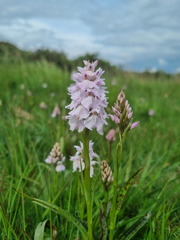 The Heath Spotted-Orchid is a wildflower of damp heaths, bogs, and grasslands. Blooming June to August, its pale flowers have dark streaks, and its green leaves are marked with purple spots. Unlike the Common Spotted-Orchid, it has narrower leaves and more intricate blooms. Its name, Dactylorhiza maculata, means “spotted,” referring to its speckled leaves and finger-like tubers.
Emperor Dragonfly
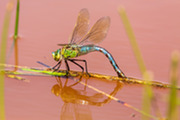 Credit: Malcolm Jarvis
Watch for the Emperor Dragonfly, one of Europe’s largest, flying June to August. Males are bright blue with a green thorax, females a duller blue-green; both have vivid green-blue eyes. These aerial hunters patrol above water, catching insects mid-air. Bystock Pools is a great spot to see them.
Cinnabar Moth
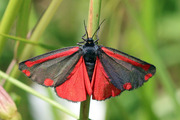 The Cinnabar Moth, with black wings and red markings, flies by day or night and is often mistaken for a butterfly. Its yellow-black caterpillars feed on ragwort, making them toxic. After wintering as cocoons, adults appear in summer. Unlike burnet moths, they have broader wings and red bars, not spots.
Nightjar
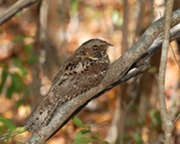 These secretive, nocturnal birds are best seen at dusk and dawn as they silently hunt. With pointed wings, long tails, and mottled plumage, they blend in perfectly by day. Arriving late spring from the Congo, males are often heard first with their churring song. Surrounded by myths—including one about stealing goat milk—nightjars bring a mystical touch to summer nights.
|
|
 South East Devon Wildlife works to protect our region’s internationally important nature reserves, and we need your help! Your experiences and perspectives are vital in helping enhance how areas are protected and managed for future generations.
If you have recently visited the Pebblebed Heaths National Nature Reserve, explored the Exe Estuary, enjoyed Dawlish Warren, visited Dawlish Countryside Park or have ventured to Ridgetop Park, please take the time to tell us about your visit.
|
|
|
When you’re out walking your dog, cycling, horse riding or just having a stroll, have you ever wondered why the Pebblebed Heaths looks the way it does?
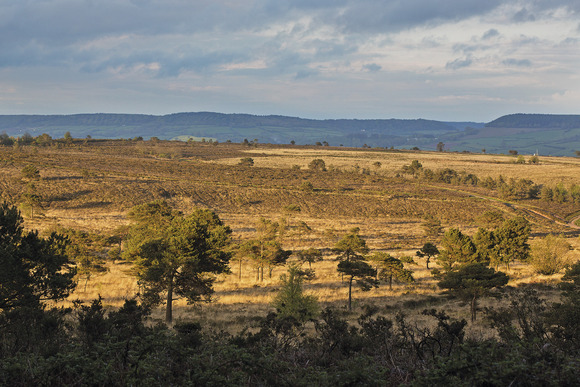 Pollen studies show that before 6,000 BC the majority of heathland areas were covered with trees, however as people started to clear the forest for pasture, probably by burning, they would have exposed the soil to the weather.
|
|
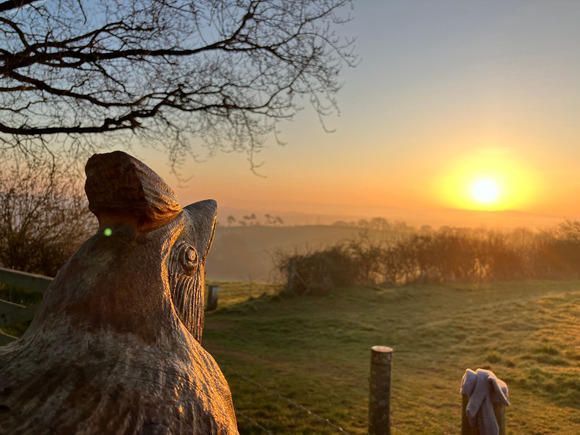 As its name suggests, Ridgetop Park in Matford, sits on high ground, offering breathtaking panoramic views in every direction. Officially opened in August 2023, this spacious countryside park features a rugged, natural landscape with plenty to explore – perfect for scenic walks, relaxed picnics or giving your dog a good run in the park’s well fenced boundaries.
|
|
|
|
|