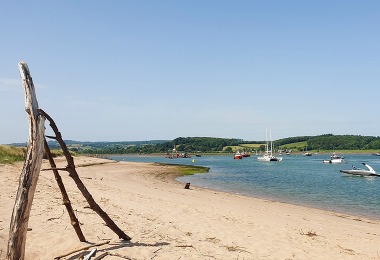
 Sunny day at Dawlish Warren
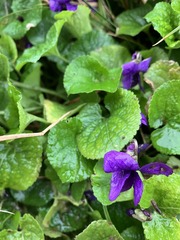
Despite the chilly wind and the frosty nights, spring is officially here! Daffodils are starting to unfurl on the roadside verges, celandine are lifting their bright yellow faces to the sun and tree buds are starting to burst into life!
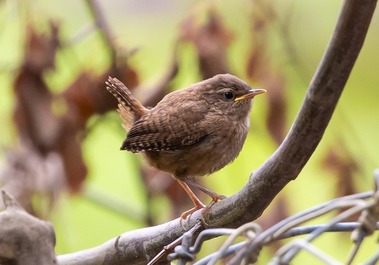 Wren
In early spring, the male wren attracts a female by building a series of nests in his territory, the female is more attracted to a male who can build multiple nests. She inspects each one and then lines the chosen nest with feathers to make it cosy ready for the chicks.
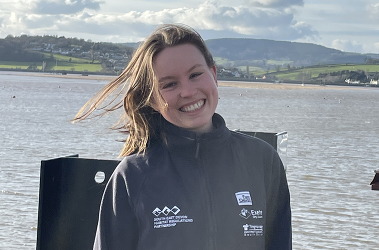 Pond dipping at Heath Week.
Hello everyone! I’m Claire, your new Wildlife Warden, and I’m absolutely thrilled to be joining the team. I wanted to take this opportunity to introduce myself, share a bit about my background, and let you know what I’m looking forward to in this role.
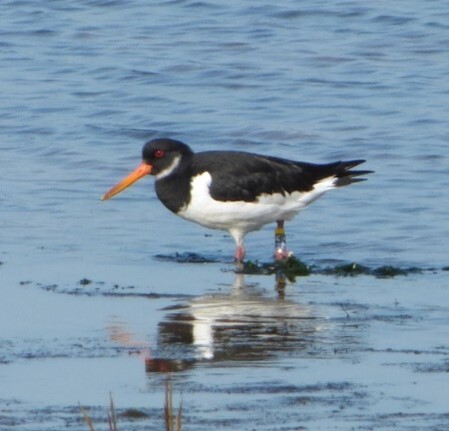 Oystercatcher "Blood red legs, oyster-gatherer"
Surely one of the main aims of successful communication is to convey information that is clear enough for everyone to understand, no matter what age, background, or education they have come from. It is something that the team at SED wildlife work hard to achieve through a variety of different ways including social media, signage, education events, guided walks, radio/tv appearances, and one to one interactions on site.
So how does it work you may wonder?
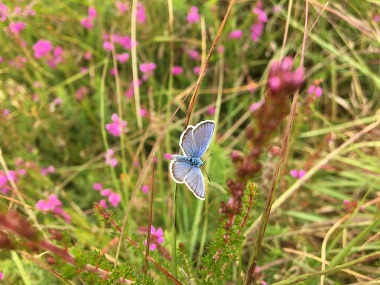 Whilst we’re not expecting to see Silver-studded blue butterflies in flight at the Pebblebed Heaths until around mid-May to June, an extraordinary relationship is currently happening deep underground.
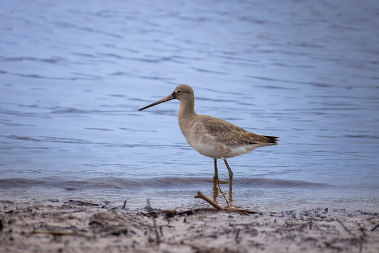 Project Godwit is creating a migration map where individuals are caught, ringed and then can be recorded where they are seen. The maps show Black-tailed godwits as far south as Mauritania and Senegal!
|