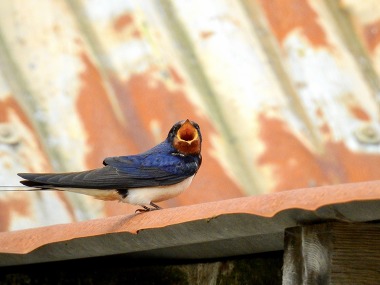
 Ever wondered why some birds travel thousands of miles each year to feed and rest, and then back again to breed? Warden Katie looks at how migration began and why birds still migrate.
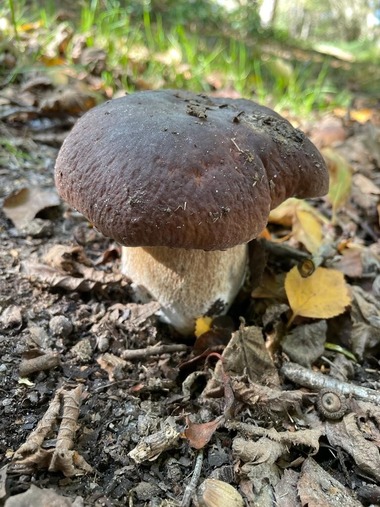 Mushrooms are the fruiting body of a much larger, underground network which allows plants to communicate and even look after one another! Warden Imo explains in this article why we should all care about fungi.
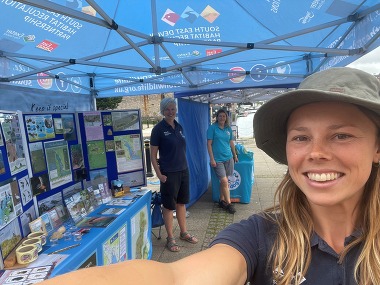 Summer 2023 was a busy season of events, patrolling the sites at their busiest time of year and making community connections for our team of wildlife wardens. Events our wardens attended this summer included: Lympstone Wildlife Festival, Gone Wild Festival, Devon County Show, Woofstock, Ridgetop Residents Day and Heath Week.
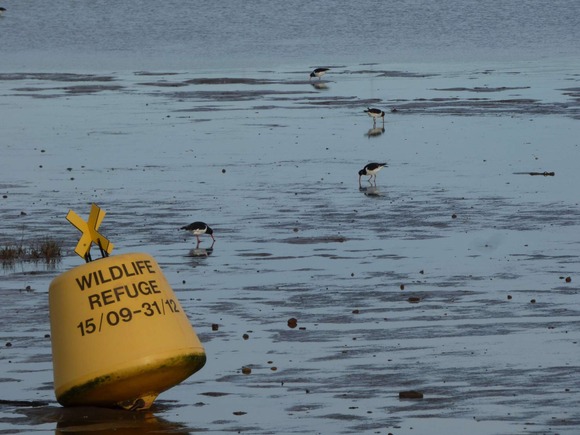
Our first education session with Exmouth Watersports summer camp was a great success, covering topics such as: the differences between parks and nature reserves, the Exe Wildlife Refuges, migration and of course local wildlife!
Are you a school, youth group or watersports centre, which would like our wardens to visit you to deliver an education session? Please get in touch with us to express your interest: sedwildlife@eastdevon.gov.uk
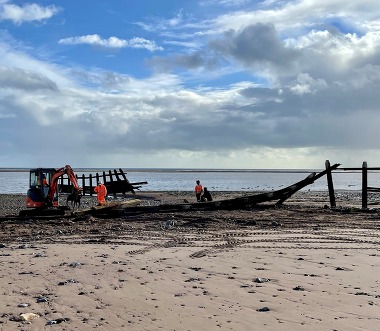 Over the next year, groynes 16 to 19 will be removed from Dawlish Warren sand spit. These groynes are no longer serving their purpose of holding sand in place, and have also rotted, causing a health hazard. If walking near this groynes prior to removal, please proceed with extra caution.
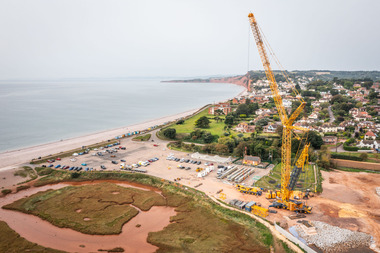 Our neighbouring project, the Lower Otter Restoration Project, has recently announced an exciting update. A new 70-metre footbridge has been craned into place and work is commencing to remove 70 metres of embankment, allowing tides to reach a large part of the Otter estuary for the first time in over 200 years!
This project, which is near completion will provide 55ha of habitat for many endangered species including migratory water birds. Do give it a visit if you can, keeping an eye out for their wonderful new signage or perhaps tying the visit into one of our nearby wildlife walks?
|