Welcome to Autumn!
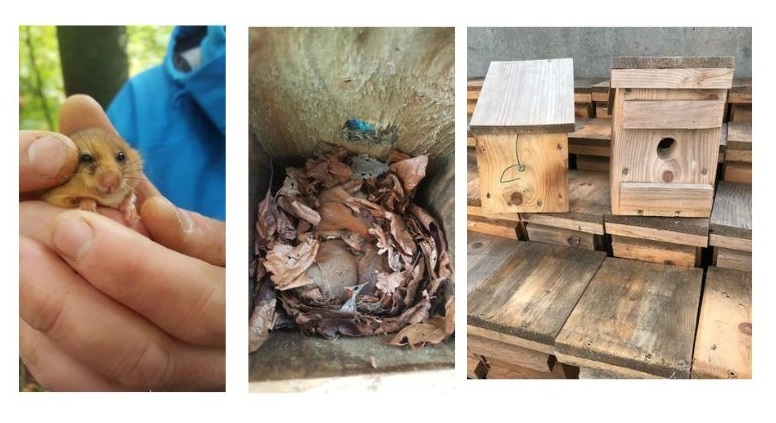 Delightful dormice
Of the many rare and beautiful species present across the Wild East Devon nature reserves, perhaps none are as cute as the Hazel dormouse (Muscardinus avellanarius).
These adorable ginger mice can spend up to three quarters of the year asleep, and have even been known to snore! It’s very rare to spot one as they snooze during the day and come out at night to nibble on hazelnuts, berries, and insects. Numbers of dormice in the UK have declined significantly in the past century, but reintroduction programmes and careful monitoring is starting to provide hope of a recovery.
Always keen to do our part in keeping track of Dormouse numbers, our Rangers, with the help of our East Devon Conservation Volunteers, will be placing fifty dormouse boxes in some prime habitat spots on the Knapp Copse Local Nature Reserve in the coming months.
Built to a well-tested design, with a dormouse-sized entrance on the back of the box to allow them to enter as they climb along branches, the boxes will be situated and monitored under the guidance of Countryside Team Manager James Chubb.
Dormice are a highly protected species and only those with the correct license from Natural England are allowed to disturb them or their resting places – thankfully James holds the relevant license so you can be rest assured that our Dormice will be in safe hands!
We’ll be adding any records to the National Dormouse Monitoring Programme, which monitors the long-term Dormouse population trends, and, who knows, we may even have Dormice nests next spring (although boxes can take several years to be used, and can sometimes become homes for birds, voles, wood mice and even bats!).
Rest assured if we do find any of these little cuties we’ll make sure to (safely) get photos of them to share with you through our social media and in future newsletters.
Enjoy a walk between Beer and Branscombe
 Follow this stunning coast walk for amazing sea views:
Park at the Beer Hill long stay car park (by Beer Head caravan park). What3Words: oxidation.observe.lads. Grid reference: SY 227888. From the South end of the car park turn Right onto the South West coast path (Signed coast path Branscombe Mouth 1 2/3). After almost a mile continue on the coast path through a kissing gate (again signed to Branscombe Mouth). Follow the path as it zigzags steeply down the cliff and then continues on above the beach through ‘Under Hooken’. Continue on through a caravan park to come down to the beach (and enjoy a cup of tea in the café!). Retrace your steps back up from the beach until you come to a path on the left just before re-entering the caravan park (signed to ‘Hooken Cliffs’). Climb steeply up the hill and then up steps to reach the top of the cliffs. Follow the path along the top of Hooken Cliffs, passing the Old Lookout, to rejoin our original path back to the car park.
James secures Beaver licence
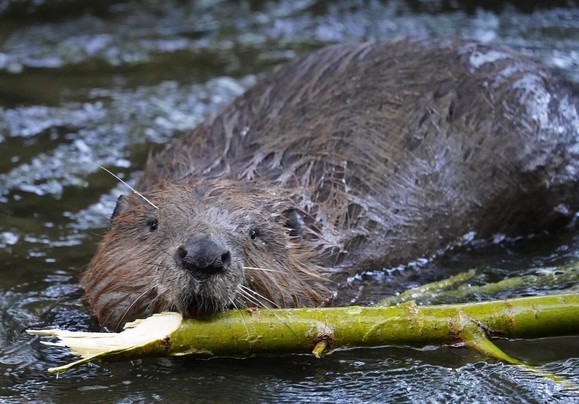 Update from Countryside Team Manager, James Chubb:
"On October 1st, Beaver in England became a protected species under law. This means that it became an offence to deliberately disturb a beaver; deliberately kill, injure or capture a beaver or damage or destroy its breeding site or resting place.
However, as this is a new species to our modern landscape, it is recognised that there will be times when impacts from their natural behaviour could come into conflict with people’s business or public infrastructure and so Natural England has been rolling out training for licences for individuals to undertake mitigation work on beaver constructions.
I was lucky enough, along with our District Ecologist Rory Chanter, to attend the most recent of these training courses and now hold a CL51 Class Licence allowing me to make informed decisions about beaver activity and take the correct course of action to mitigate potential negative impacts.
With such a large animal, I find it both amazing and encouraging that the population locally is as large as it is while many people living alongside them are none the wiser. The family groups along the river Otter now stretch along the entire catchment from Budleigh Salterton to Otterhead lakes and they are established on many tributaries of the Otter, too.
Where burrows or dams are posing an immediate threat to public health or infrastructure, under licence we can now carry out work to these structures to make them safe or discourage further activity, without posing a threat to the safety or health of the beavers themselves. We are also very lucky in East Devon to have an active Beaver Group, coordinated by Devon Wildlife Trust, meaning our population of beavers remains well studies, well understood and well accommodated on our local waterways."
Would you like to volunteer with us?
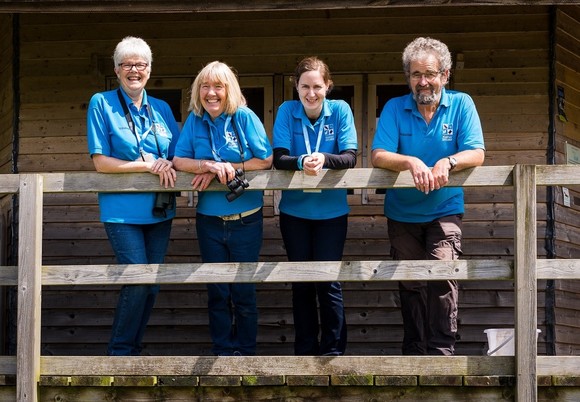 We're always on the look out for people who would like to try volunteering at our nature reserves. If you can spare a few hours, we would love to hear from you.
From conservation, path maintenance, wildlife surveying to greeting visitors at nature reserves, there’s a wide range of experiences available. It's entirely up to you how much time you spend with us - it can be flexible to suit you. Why not give it a try and enjoy the chance to help people enjoy our amazing countryside.
To find out more about the work of the Countryside team and volunteering opportunities visit wildeastdevon.co.uk. The team can be contacted via email: wild@eastdevon.gov.uk or phone: 01395 517557.
Heathland restoration
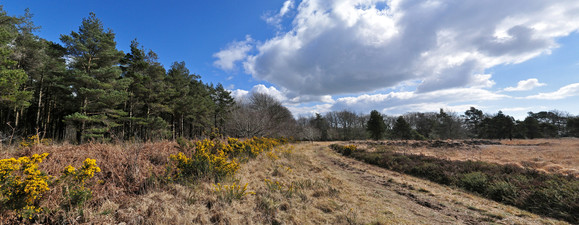 We have temporarily fenced off an area at Trinity Hill adjacent to the permissive bridleway track in an effort to restore a section of heathland. Due to the wet conditions at this time of year, people and horse riders have been straying from the official track on to the heathland in an effort to stay drier. The result of this is that the heath has become worn away and a new track formed.
However, this new new unofficial track became equally muddy due to overuse, and people started straying further into the heath - the situation is likely to replicate itself and before long even more land will become degraded.
As a team we are working hard to restore, improve and increase this rare, sensitive and important habitat. We ask our visitors to please help us with this, simply by sticking to the paths. At this time of year when the paths are likely to be wet or muddy, please bring wellies!
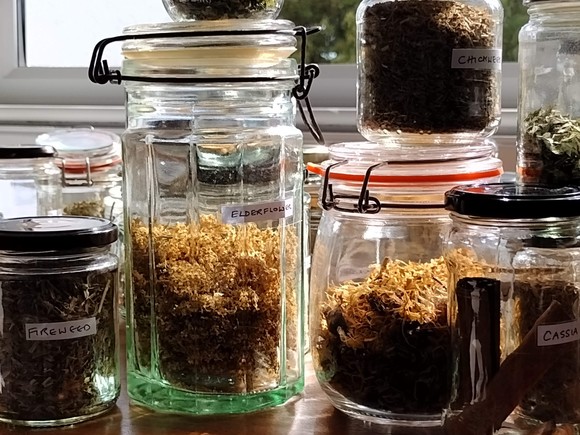 Winter remedies workshop
Following on from the success of Maggie's plant medicine walks we bring to you our first winter remedies workshop!
Medicinal Herbalist Maggies workshop aims to enable an understanding of why and how we get ill in the winter, how a herbalist’s approach to treatment differs from that of conventional medicine, and which plant medicines can be made at home, in order to help prevent us getting ill, or to ease symptoms if we do.
Winter remedies work shop - Plant medicine - East Devon
Autumn Crafts
Join Penny at Seaton Wetlands for a morning of Autumn and Halloween themed crafts. Get creative using natural materials and small tools and cook treats over the campfire
Autumn Crafts at Seaton Wetlands 1.30pm - 3.30pm - East Devon
|