|
|
Welcome. In this issue, the following topics are covered:
- National Walking Month
- Be tick aware
- Access to GP services
- Take action on bowel cancer
- What to do if you have a stroke
- Dudley Stroke Association
- Pharmacy contraception service
- Health, exercise, nutrition for the really young
- Covid-19 spring booster
- Clean hands, clean body
- Keep antibiotics working
- Hajj and Umrah pilgrims urged to get meningitis vaccination
- Employment support for the armed forces community
|
|
|
Bluebells and blossom are blooming this National Walking Month. In the Black Country we are blessed with many beautiful outdoor locations to explore and spring is the perfect time to enjoy them.
During National Walking Month we are encouraged to walk or wheel for 20 minutes every day for the month of May.
Walking releases feel-good hormones and studies have shown that it can improve your mood, reduce stress, help you sleep better and increase your energy. This is boosted further if you can walk outside and increase your vitamin D intake from the sun.
Walking is free, easy and you can do it whenever you want. However, if you prefer to walk or wheel with others, there are some great local options.
Ramblers Wellbeing Walks
Ramblers Wellbeing Walks Dudley are free, friendly group walks that take place across Dudley borough. They occur in parks, nature reserves and along canals.
Watch this video to find out more.
For further information about the walks and to sign up to attend, go to the walking page on the Healthy Dudley website.
Time 2 Breathe walks
Monthly relaxing wellness walks take place at nature reserves in the borough.
The free walks, which focus on enjoying nature and creating positive mental energy, are led by a nature reserve warden.
For further information call 07971 065712, or visit the Dudley Nature Reserves Facebook page.
Walking indoors
If you can’t get outside you don’t need to miss out. Spring In Your Step is one of Dudley public health’s Let’s Get Moving challenges. It outlines how you can build up your walking legs, strength and balance while staying indoors.
|
|
|
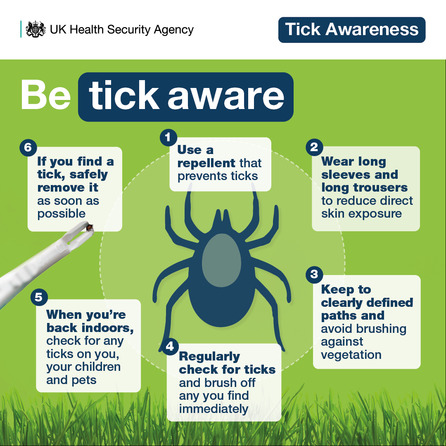
Tick bites can sometimes lead to Lyme disease. But there are simple things you can do to enjoy being outdoors and stay tick safe.
1. Use an insect repellent that prevents ticks
2. Wear long sleeves and long trousers
3. Keep to clearly defined paths and avoid brushing against vegetation
4. Check for ticks on young children, around their heads and necks
5. When you’re back indoors, check for any ticks on you, your children and pets
6. If you find a tick, remove it as soon as possible with a removal device
|
|
|
How easy is it to access your GP using digital technology? This is what the Black Country NHS Black Country Integrated Care Board (ICB) would like to know.
The ICB has created a survey to find out how straight forward, or not, it is to go online to contact GP services, and what support is needed to help more people.
Please can you encourage as many local people as possible to fill it in.
The survey is open until 31 May.
|
|
|
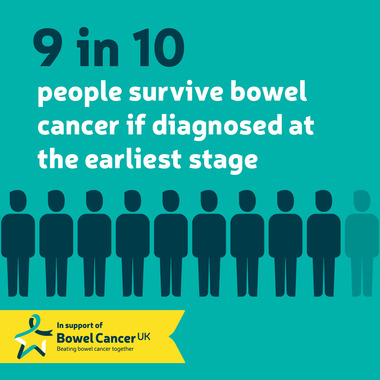
Bowel cancer is treatable and curable, especially if diagnosed early.
Nearly everyone survives bowel cancer if diagnosed at the earliest stage. However, this drops significantly as the disease develops. Early diagnosis saves lives.
Bowel cancer is most common in people over 50. But younger people can still get bowel cancer. If you have symptoms at any age you should ask your GP about an at-home test.
|
|
|
A stroke can happen to anyone, of any age, at any time. If you think you, or someone you know is having a stroke, don’t delay, call 999 immediately and check the time.
What are the signs of a stroke?
The FAST message is helpful.
Face weakness – can you smile? Has your mouth or eye drooped?
Arm weakness – can you raise both arms fully and keep them there?
Speech problems – can you speak clearly and understand what you say? Is your speech slurred?
Time to call 999 if you have any one of these signs
For more symptoms, go to the Healthy Dudley website.
What else should I do?
Make a note of the time your symptoms started. This helps the doctors decide if a clot-busting treatment (thrombolysis) can be given.
Having a clot-busting drug can make all the difference to preventing disability and worst-case outcomes. But, the treatment can only usually be given during the first four-and-a-half hours after the stroke started.
Even if your symptoms only last for a short period, call 999 and make a note of the time.
|
|
|
If you, or someone you care about, has had a stroke, Dudley Stroke Association can support you. It is an independent charity providing advice, information and help. The charity also works with Dudley GPs to carry out reviews during the first 12-months of recovery.
Parents may know that the Dudley Stroke Association is also delivering stroke awareness classes at primary schools in the borough. Children are taught about what a stroke is, the symptoms, the recovery position and how to reduce the risk of having a stroke.
For information on stroke support groups and further details on the Dudley Stroke Association, visit the Dudley Stroke Association website, call them on 01384 271982, or follow them on Facebook.
|
|
|
Women across the Black Country can now get their supply of oral contraception (the pill) at a local pharmacy, without the need to see a GP or to have to have an appointment.
This increases choice for patients in the ways they can access contraception. You will receive your yearly pill check-up, like you would with your GP. It is still encouraged to seek medical advice from a pharmacist or doctor if any unusual side effects continue after three months.
Find a participating pharmacy near you.
|
|
|
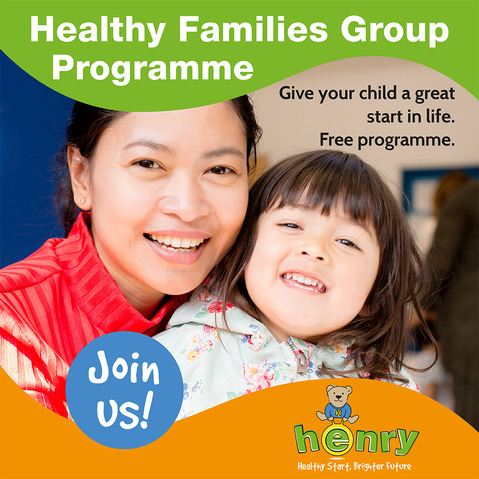
HENRY supports parents and carers to change family lifestyle habits and behaviours and provide a healthy start in life for their children.
Starting this month, a range of free HENRY programmes are available for parents and carers in Dudley borough with children aged 0-12 and for those expecting a baby.
Visit www.dudleyparents.co.uk and click on the HENRY tile for information about available courses and how to book your place.
|
|
|
The Covid-19 spring booster is available for people aged 75 and over, residents of older adult care homes and those with a weakened immune system.
Getting your COVID-19 vaccine means your symptoms will be milder and you’ll recover
faster if you catch COVID-19 this spring.
|
|
|
It’s World Hand Hygiene Day on 5 May.
Did you know that washing your hands is the most effective way to protect yourself from illnesses and infections?
Washing your hands with warm running water, liquid soap and using paper towels to dry your hands will remove dirt, viruses and bacteria and can reduce the risk of diarrhoea by almost 50%.
|
|
|
Bacteria are becoming resistant to medicines at an increasing rate, turning once-treatable infections into potentially life-threatening conditions.
Why is this happening? While bacteria naturally develop resistance over time, the misuse and overuse of antibiotics is speeding up this process, putting our most vulnerable communities at risk.
The advice from the UK Health Security Agency (UKHSA) to protect you and your community is:
- Remember: Antibiotics are ineffective against colds and flu. Your body can fight these infections on their own.
- Only use antibiotics when prescribed by a healthcare professional
- Always complete the full course as directed by your healthcare professional
- Never save antibiotics for later, or share them with anyone else.
The risks of antibiotic resistance are also reduced by lessening the chance of catching infections in the first place. In particular, the advice is to have the vaccinations you are eligible for and wash hands well.
|
|
|
The UK Health Security Agency (UKHSA) is reminding travellers to the Kingdom of Saudi Arabia (KSA) for Umrah and the upcoming Hajj pilgrimages to ensure they are vaccinated against meningitis.
|
|
If you are part of the armed forces community, charity The Poppy Factory is available to help you on your journey into employment.
Specialist employment consultants help veterans with health conditions to career map, access training, overcome barriers, write a CV, job search, prepare for interviews and in-work support. There is also support for forces families.
Anyone can self-refer on The Poppy Factory website. Or professionals can refer into the service with the individual’s consent.
|
|
|
|
|