|
Are you prepared?
Flood Action Week 2025
Though we are not anticipating any wet weather over the next few weeks, we don't ever know what's truly round the corner.
That's why this Flood Action Week, we are focusing on helping you to prepare as much as possible for if the worst does happen.
Did you know - rainfall was up to a third higher than usual in 2024 and, last winter, the Environment Agency issued more than 3,000 flood alerts, 1,600 flood warnings, and three severe flood warnings to people at risk.
Have you signed up to receive flood alerts?
If you are in an area at risk of flooding, you can sign up to receive flood warnings as and when they happen by call, text or email (depending on your preference).
Whilst this doesn't include surface water flooding (otherwise known as flash flooding), the warnings will provide free information about flooding from rivers or groundwater, depending on your area.
All you need to do is provide your address and give contact details and this will sign you up to the scheme:
Flood Alerts vs Flood Warnings
Knowing the difference between what to do in a flood alert compared to a flood warning is vital to flood preparedness.
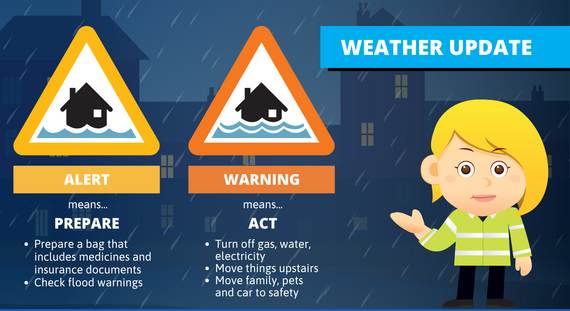
- A flood alert means you must prepare to act. This means preparing a bag that includes medicines and insurance documents and looking out for flood warnings.
- A flood warning means you must act. This means turning off gas, water and electricity, moving things upstairs and moving your family and pets to a safer location. 1,600 flood warnings were sent out nationally by the Environment Agency in 2024.
It's important that if you live in a flood risk area, you stay vigilant and keep on top of any potential flood alerts and warnings.
Do you have a Flood Plan?
Having a plan in case the worst happens can be vital, especially as incidents of flooding can often happen very quickly. Having a plan doesn't have to be anything too detailed and can be as simple as having any of the following:
- Having a place where all insurance documents, passports and items of sentimental value can be found and packed quickly and easily.
- Knowing exactly where you will go or who to contact in an emergency.
- Having a list of contacts including insurance providers, utility providers and emergency contacts such as councils and vets.
- Preparing a flood kit which includes a torch, baby care items, phone and gadget chargers and medicines.
Localised Flood Information
City of Doncaster Council work in partnership across the region to monitor and manage potential flood risks. In the event of an emergency, the council will work with the Environment Agency and others to assist and communicate with residents directly.
Our webpage is accessible 24/7 for further information on flooding and the risks associated:
Please forward this email on to any who may find it useful!
|