|
October 2025
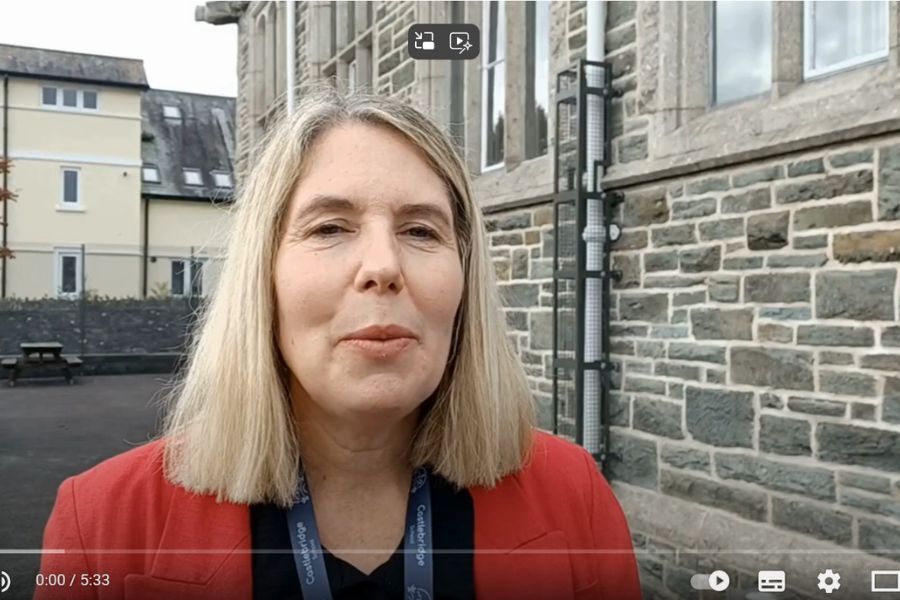
Devon County Council has partnered with the Special Partnership Trust to open a new state-funded special school for young people with autism, social, emotional and other mental health-related needs.
It’s only been open since the beginning of September, but already it’s having a huge impact on the 12 pupils currently attending, some of whom have not attended school for up to three years due to the complexity of their needs.
Castlebridge School in Tavistock is relatively small. It will have a maximum capacity of 30 pupils when fully up and running. Meanwhile, its parent school – a larger Department for Education-funded special school in Ivybridge – is currently in the planning stages and is due to open mid-2027.
Together, the two sites of the Castlebridge School will not only provide the one-to-one tailored support to help its pupils attain academic qualifications and important life skills, but it’s also supporting neighbouring mainstream schools.
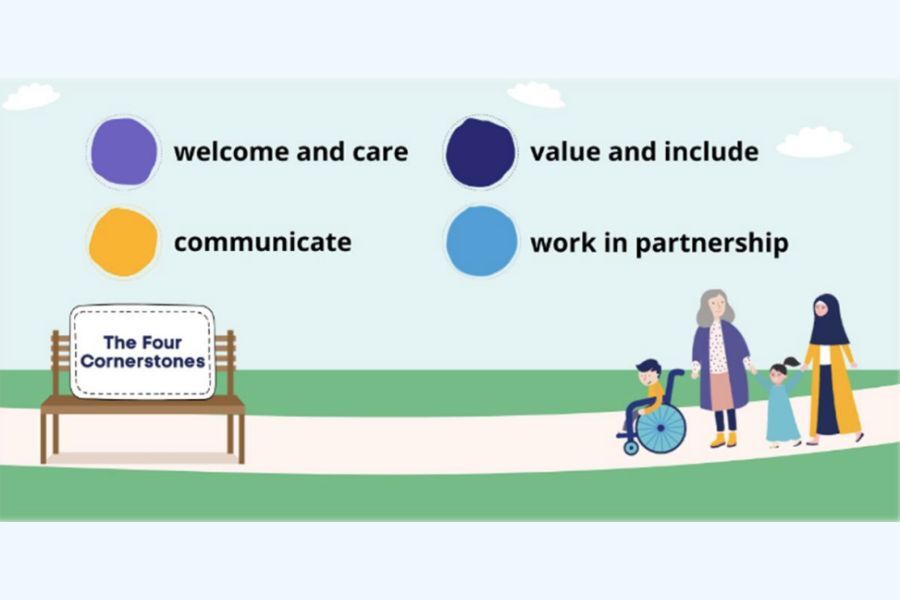
Devon County Council has published the findings of a transformative project to reshape the county’s approach to supporting children and young people with special educational needs and disabilities (SEND).
The landmark report has been developed with national experts Genuine Partnerships, who, through focus groups, surveys, and a large-scale co-production event, listened to the lived experiences of parents, carers, and young people with SEND and their hopes, and challenges of navigating the SEND system.
It presents a deeply honest and often emotional account of SEND services in Devon, including long waits for support, inconsistent communication, and a lack of joined-up working.
The report also highlights areas of strength, such as the kindness and empathy shown by individual practitioners, the growing role of parent carer ambassador volunteers in schools, and examples of inclusive practice that have made a real difference to families.

The government's Schools White Paper, originally expected earlier this year, then autumn, has been delayed again, now until the new year.
Education Secretary, Bridget Phillipson, has written to the Chairwoman of the Education Select Committee, to explain the delay.
Devon County Council's Cabinet Member with responsibility for services that support children and young people with SEND, Councillor Denise Bickley, said:
"I am disappointed, but not surprised by this further delay.
"The government needs to get its act together. The national education system supporting children and young people is fundamentally broken.
"Parents are saying it, councils are saying it, experts are all saying that the entire education system needs a review and that it needs re-setting.
"The current system is not fit for purpose, and it's failing children and young people and their families."
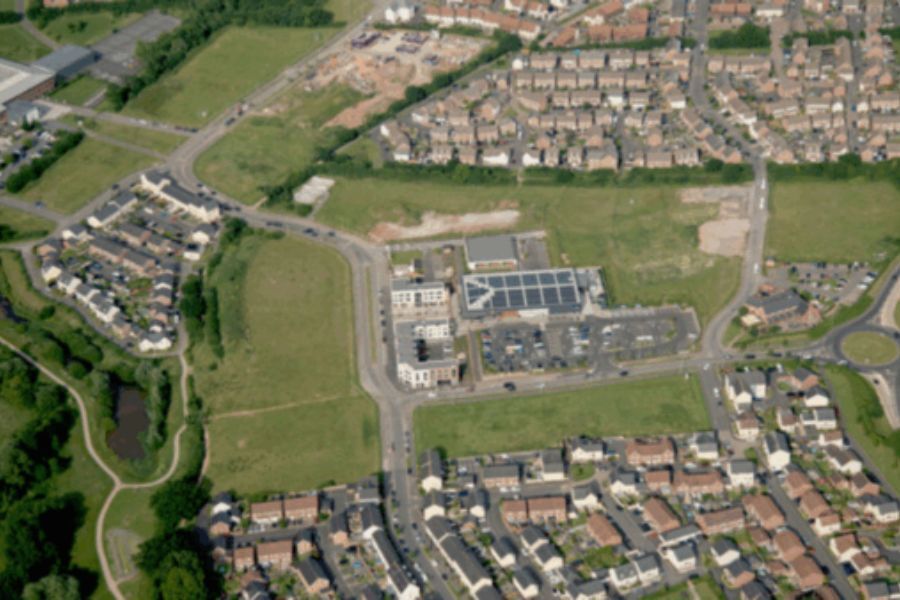 Cranbrook Aerial view Still Imaging
Exciting plans for a new family-focused community space in Devon’s youngest town have been given the green light.
Approved by Devon County Council's Cabinet this month, the new space would bring children’s services and public health nursing together under one roof – making it easier for families to get the support they need, all in one welcoming place.
The new ‘dedicated community space’ would be housed within East Devon District Council’s planned Cranbrook Leisure, Health and Wellbeing Campus.
The plan approved today is to use up to £3 million of Section 106 developer contributions to build the facilities to house children’s services and Public Health Nursing.

We’ve been talking a lot in recent months about work we’re doing to review the way that funding is allocated to children and young people with Education, Health and Care Plans (EHCPs).
It’s because the current system for deciding how much funding a child receives does not always work as well as it should.
Families and schools have said that the current system is inconsistent, with decisions varying between children’s schools or panels.
They say that it’s hard to understand why one child gets one level of funding and another doesn’t.
And they say the current system can lead to long waits, appeals and confusion.
We’ve appointed experts, Peopletoo, an independent organisation with years of experience in helping local authorities across the country to improve the way we work, to review our current EHCP banding framework.

Devon County Council’s Cabinet have approved a new Brighter Futures Action Plan, 2025 to 2028, to help young people move confidently into education, employment or training.
The plan sets out how the council will work together with partners over the next three years to support young people aged 16 to 25, with a particular focus on those with special educational needs and disabilities (SEND) and others who may be struggling to find their way into further learning, training or employment.
The plan also focuses on care-experienced young people, and the council’s priority to make Devon the best place to grow up for those in or leaving care.
Practically, for all groups, that includes additional mentoring and internship opportunities, more personalised support pathways into learning or employment, and strengthening the one-to-one support to care-experienced young people during transitions.

We understand how difficult it can be when your child feels too anxious to attend school. For many families, especially those with children who have Special Educational Needs and Disabilities (SEND), this can be a daily challenge filled with worry, frustration, and uncertainty.
To help, Devon County Council’s Educational Psychology Service are delivering the Overcoming Programme, a supportive and practical course for parents and carers. It's designed to help families better understand anxiety and explore ways to support their child's emotional wellbeing and school attendance.
The programme is delivered online in small, welcoming groups and draws on proven techniques from cognitive behavioural therapy (CBT). Over six weekly sessions, parents learn how to respond to anxious thoughts, build step-by-step plans, and help their child feel more confident and secure.
During the 2024/25 academic year, 30 parents completed the course. Many shared powerful stories of change – children who once struggled to leave the house now walking into school with a smile.
The Overcoming Programme is currently offered in specific circumstances, as part of a broader package of support. Families are approached directly where the programme may be appropriate.
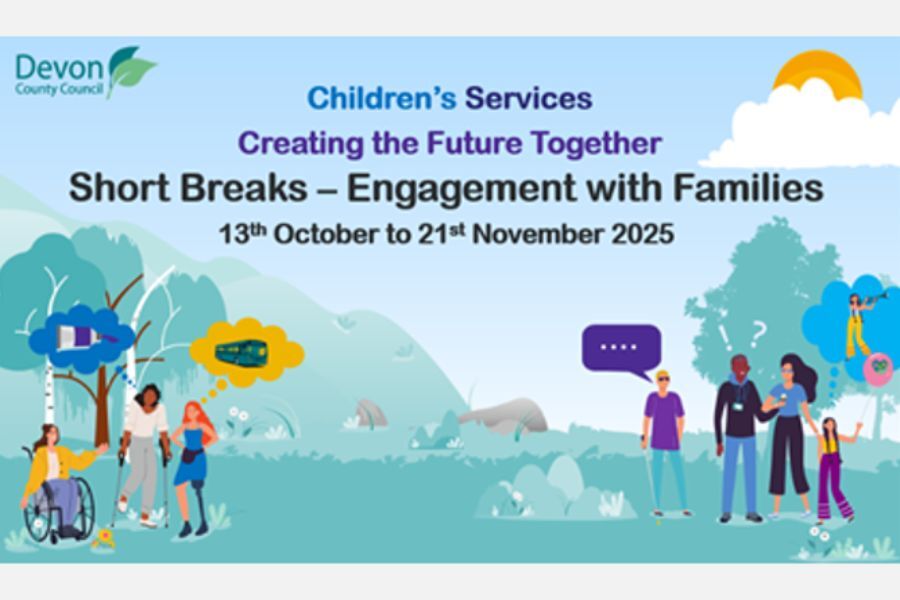
Devon County Council is inviting families of children and young people with special educational needs and disabilities (SEND) to share their views on the future of short breaks.
Short breaks are vital opportunities for disabled children to enjoy fun, enriching activities, make friends, and develop independence. They also give parents and carers valuable time to rest and recharge. These breaks can take place at home, in the community, or in residential settings, and vary in length from a few hours to overnight stays.
The Council is currently reviewing its short breaks offer and wants to ensure it reflects the real needs and experiences of families. Your feedback will help shape a more inclusive, flexible, and responsive service that works for everyone.
The engagement is open until Friday 21 November 2025, and includes a chance to comment on proposed developments.
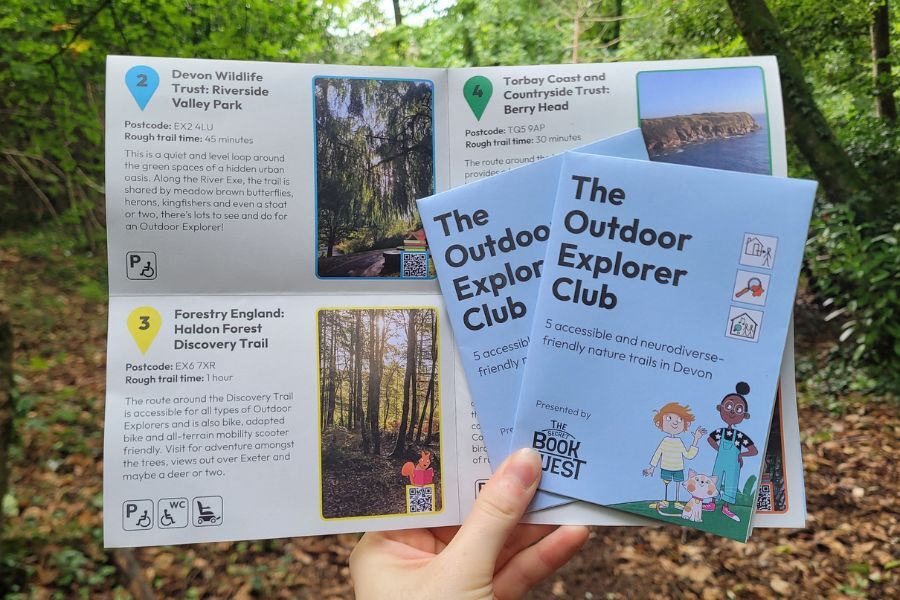
Libraries Unlimited, the charity commissioned by Devon County Council to run the libraries in Devon, has launched a new leaflet and set of resources to help children, young people and families with neurodiverse conditions explore some of Devon’s more accessible outdoor spaces.
The Outdoor Explorer Club features five trails across the county, each with a short story, an audio recording, and clear accessibility information. Braille copies of the leaflet are available by request, and printed copies can be collected from selected Devon and Torbay libraries.

Devon Information Advice and Support (DiAS) is offering a series of free training sessions designed to help parent carers understand and navigate the world of special educational needs and disabilities (SEND), and feel more confident in supporting their child.
The making sense of SEND sessions cover everything from how SEN support works in schools, to working with professionals and sharing your views to speak up for your child.
These sessions are friendly, informative and open to all parent carers - whether you're new to SEND or looking to build on what you already know.

Devon County Council (Public Health), in partnership with Togetherness, offers families, adults, and children, free access to online learning courses, to better understand and manage emotional health and relationships in daily life.
As a proud sponsor of the Solihull Approach online learning pathways since 2020, we invite you to visit the new website.
As a first-timer or a return user, there are a wealth of resources, to access at your own pace. All you require is a Devon or Cornwall postcode and the access code TAMAR.
 Stay connected with SEND updates that matter to you
This newsletter is a partnership effort to share updates that matter to you and highlight support available across Devon.
If you’ve found it helpful, please share it with family, friends, or professionals in your community. By spreading the word, we can help more families stay informed and feel supported.
We’d love to hear from you
If you have a question, suggestion, or a story you'd like to share, please get in touch by emailing us.

The PINS programme is now in its second year and NHS Devon ICB is excited to be working with an additional 19 Devon schools in 2025/26 as well as growing a Community of Practice for the 26 Devon schools who took part in the programme last year.
This Department for Education funded pilot is supporting a small number of schools with whole school approach training and resources, which aim to ensure schools are better able to identify neurodiversity and support the needs of their pupils.
Additionally the programme aims to build sustainable relationships between schools and their families, this work is being led by Parent Carer Forum Devon.

NHS Devon ICB has worked with local partners and parent representatives to draft frequently asked question (FAQ) guidance for families who may be considering funding an assessment privately.
We know that waiting times for some NHS services, such as autism assessments, can be too long, and that families may consider exploring independent options. The guidance offers advice on checking that practitioners are registered with their relevant national bodies, what to consider if ongoing medication or treatment is needed, and what it means to return to the NHS for ongoing care, including how this affects joining the NHS waiting list.
Local authority colleagues are reviewing the guidance to ensure a shared approach when private assessments are completed for children and young people. Once finalised, it will be shared with families and published more widely.
More information, advice, and guidance on Neurodiversity for parents, carers and individuals living in Devon, Torbay and Plymouth can be found on the MyHealth Devon website.
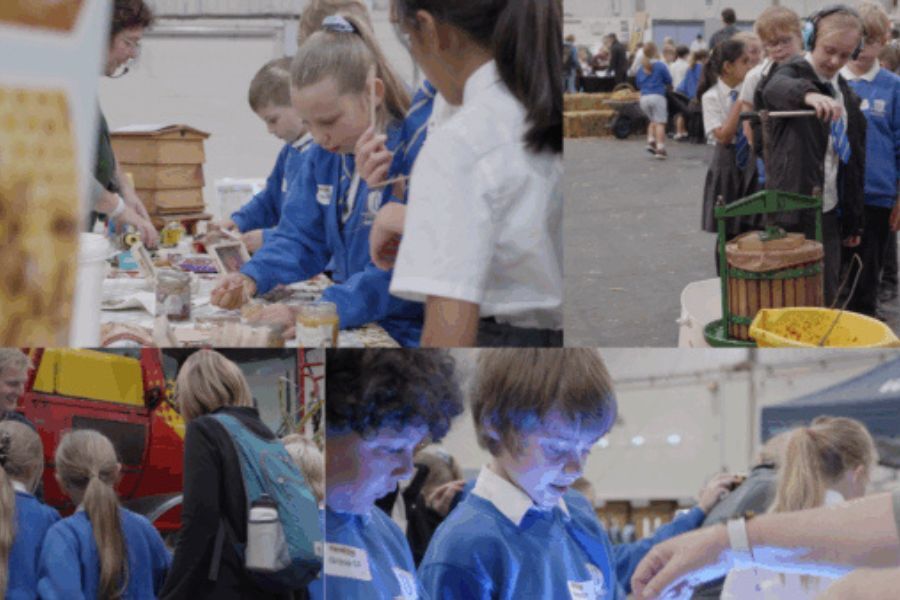
More than 1,600 primary school children from across Devon got ‘Farmwise’ this month and saw for themselves where our food comes from and how it’s made.
Key Stage 2 primary school children from more than 40 primary schools, and they rolled up their sleeves and got stuck into a range of activities.
It’s the 13th time that Devon County Council has organised the annual event at Westpoint, in collaboration this year with South West Norse, Devon County Agricultural Association, and Mole Valley Farmers.

Devon County Council is preparing to reshape its library services to better suit the changing habits of library users, and from November residents will be asked for their ideas and views.
County Councillors have given the greenlight to launch an extensive and detailed 12-week public consultation. The aim of the consultation will be to gather residents’ views on how libraries should adapt and evolve to meet changing needs and financial pressures.
The council currently operates 50 libraries which are run by the charity Libraries Unlimited. There are currently more than 113,000 active registered Library users with children making up the single largest group at 28%.
The upcoming consultation will explore a variety of options such as revised opening hours, extending access through volunteers and technology, and transitioning some libraries into community hubs managed by local organisations with the county council's support.
|