|
September 2025

Devon County Council is working with the Special Partnership Trust to boost support for children with special educational needs and disabilities (SEND) in mainstream schools.
The aim is to help more children learn alongside their peers locally, by ensuring schools have the right resources and expertise.
With rising SEND needs and limited national funding, new locality-based special educational needs (SEN) hubs are being developed to offer extra support and outreach to schools.
The first hub, opening in Totnes in January 2026, will be run by Education South West, with more planned across East and Mid Devon this academic year.

The government's Education Select Committee this month released a major report calling for a fundamental overhaul of how mainstream education supports children and young people with special educational needs and disabilities (SEND) in England.
In it, the cross-party committee calls for a cultural shift in mainstream education, to improve inclusivity in all schools, and focus on early identification and intervention. Its members also call on government to invest in both the education and health services’ workforces, to ensure that the health service steps up to its role in solving the SEND crisis, and to improve collaboration between the two sectors.
Recommendations made in their report resonate with work we're doing in Devon to improve inclusion in mainstream schools, and to raise the bar for what pupils and families should expect as ordinarily available provision.
Councillor Denise Bickley, Devon County Council’s Cabinet Member with responsibility for services that support children and young people with SEND, said:
“It’s reassuring to hear the Select Committee’s announcement today, and to recognise that what they’re recommending could come directly from our own Devon local area SEND improvement programme.
“We believe that SEND should be integral to mainstream education, not an add on. That’s why we are working hard with our education partners to achieve real inclusivity in all of our schools so that as many young people as possible can successfully attend their local school alongside their friends and peers."
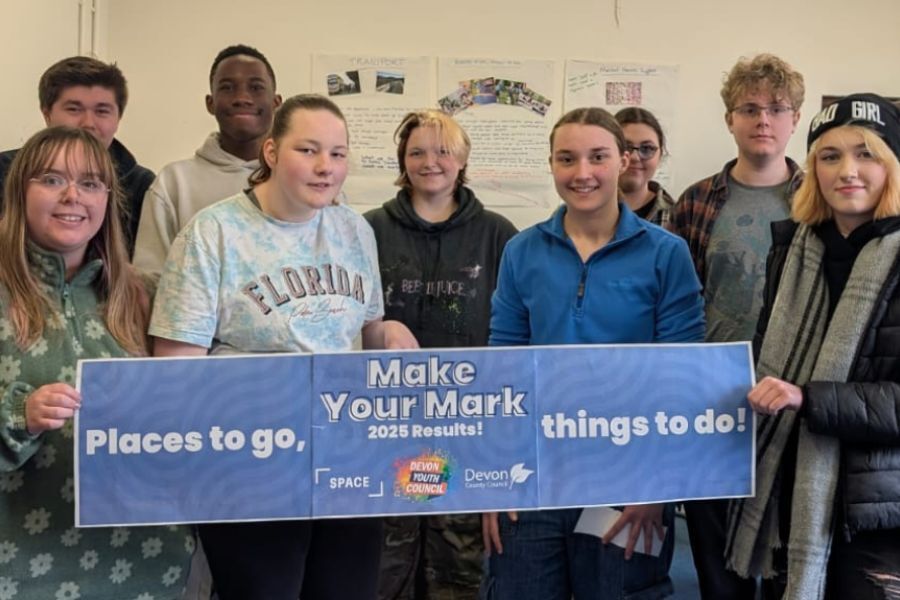
Devon County Council has launched a new £150,000 grant fund aimed at supporting and kick-starting activities, projects and schemes that will help enrich the lives of Devon’s young people.
Youth groups and charitable organisations can now apply for grants of £500 to £1,000 from the 'Places To Go, Things To Do Youth Fund'.
It’s all part of Devon County Council’s Strategic Plan 2025-29 which aims to create an environment for young people to thrive, and it follows 7,000 local young people earlier this year voting in . The top issue for young people was ‘places to go and things to do’ and the has worked with Devon County Council's communities team to create a new grant fund.
If you work with or know of any organisation who could make good use of a grant, are available on Devon County Council's website. If you work with young people already or deliver an activity for a different age group but would like to extend it to include young people, this fund opportunity might be for you!
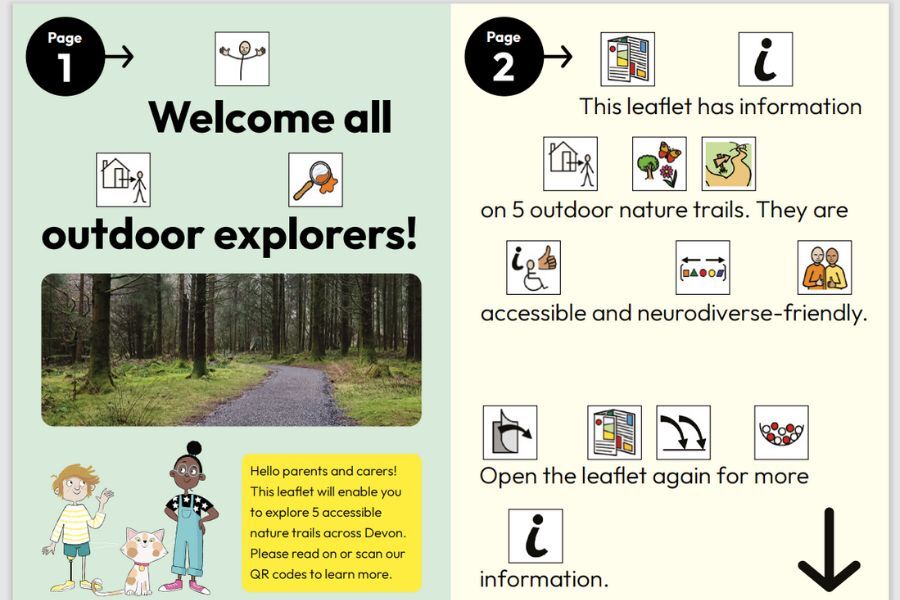
Our current youth-led campaign, Places to Go and Things to Do, has highlighted that some young people have more access to what Devon has to offer than others. That’s why our Champions for Change group has been working closely with Devon County Council’s commissioning team and Libraries Unlimited on their Outdoor Explorer Club to improve accessibility across the county.
One exciting outcome of this collaboration is a brand-new leaflet designed to help disabled children and young people explore and enjoy some of Devon’s beautiful outdoor spaces. The Champions contributed lots of creative ideas, and were especially keen to make sure the leaflet is accessible for those who use symbols to support their reading.
This project is a great example of what can be achieved when young people are meaningfully involved. Every Champion played a part in shaping the final leaflet, and their voices have helped create something truly inclusive.

This August, Devon County Council's SEND Participation Team organised a series of fun social activities for young people who take part in their youth voice sessions.
These events were all about helping them get to know each other better, build confidence, connect with the participation team, and most importantly, have a great time!
Activities included kayaking, Nerf battles, crafting sessions, and a visit to the immersive experience Wake the Tiger in Bristol. It was wonderful to see young people trying new things, making friends, and growing in confidence.
One young person shared:
"I really enjoyed meeting girls from different schools, and now I would feel more confident to come to a youth council meeting."
These kinds of experiences are a vital part of helping young people with SEND feel included, heard, and empowered to take part in shaping the services that matter to them.
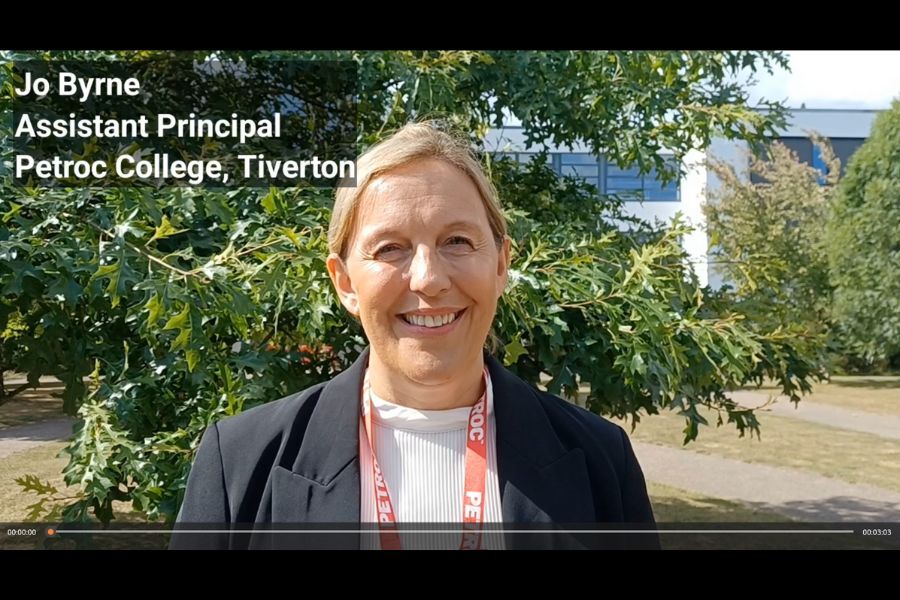
Around 350 additional post-16 education places are being created specifically to support young learners with special educational needs and disabilities in Exeter, Mid Devon and North Devon.
Devon County Council is working with Petroc College in Barnstaple and Tiverton, and with Exeter College, where the additional places are being made available.
Refurbishment work at Petroc’s two college sites, in Barnstaple and Tiverton, are well underway, with the Tiverton facility expected to open by October half term.
The college’s two sites will create an additional 250 post-16 education places, while Exeter College will provide a further 100 additional places for young people with SEND, most of whom will have education, health and care plans.
Councillor Denise Bickley, the council’s Cabinet Member with responsibility for services that support children and young people with special educational needs and disabilities, met with senior teachers at Petroc College, Tiverton, to see how the refurbishment work is going.

Developers building new homes across Devon will now have to increase their education contributions by a fifth to support the delivery of more school places, after an updated policy was approved by Devon County Councillors this week.
The National Planning Policy Framework supports the need for local schools to have the capacity to cope when new homes are built
Under the updated policy a larger proportion of the contribution – also called a Section 106 Agreement – will go towards supporting children with special educational needs and disabilities (SEND) and nursery places.

Devon County Council is working to improve how their SEND Operations team communicates with families waiting for an education health and care (EHC) assessment or plan review.
Parents and carers told us they want clearer updates, consistent responses, and transparency around decisions.
With help from our Volunteer Ambassadors, they've gathered practical suggestions and are now exploring training to support the team.
They're also developing a new ‘communication and relationship standard’, which a group from the Four Cornerstones Committee will help shape and review. This will set out how they will keep in touch and build stronger, more supportive relationships with families.

Something exciting is happening to how Children and Family Health Devon (CFHD) provide speech and language therapy services across Torbay and Devon.
To help meet the needs of the children and young people of Devon, CFHD are using a framework called The Balanced System®. This system is designed to make sure that everyone, including children and young people along with their support networks, including parents and carers and health and education practitioners, have the right support, at the right time to develop and improve speech, language and communication skills.
You can find out more about CFHD's speech and language therapy services and The Balanced System ® Transformation by visiting their website. Here you will find further information on the roll out of the The Balanced System ® Transformation and a recording of their latest webinar, explaining the system itself.

The SEND Strategic Partnership Board met again this month to discuss progress with the partnership’s improvement programme.
The purpose of the Strategic Board is to ensure that every child and young person with special educational needs and disabilities (SEND) in our area receives the right support, at the right time, in the right place.
Its vision:
The Board believes that children and young people with SEND should have the same opportunities as everyone else—to achieve well in their early years, at school and college, and to lead happy, fulfilled lives. It brings together professionals from education, health, and social care to make this vision a reality, supporting children to achieve their best in learning, employment, independent living, and community life.
What it does:
The Board oversees and guides all SEND services locally, making sure that support is available early and is tailored to each child’s needs. It works to improve services, monitor progress, and ensure that families’ voices are heard. Their priorities include early identification, joined-up working between services, and clear communication with parents and carers.
How it works:
The Board is committed to transparency, accountability, and collaboration. Board members meet regularly to review progress, share updates, and plan improvements. They are accountable to the local community, the government's Department for Education, and NHS England.

Devon County Council's Cabinet Members have been told that the Dedicated Schools Grant, which funds special educational needs and disabilities services, is forecasting an overspend this financial year of £53.3 million, according to the council's month four financial position.
They also heard that month four is very early in the budget monitoring cycle and that much will change as the year progresses with officers taking action to ensure spend is brought into balance by the year end.
Councillor Denise Bickley, Devon County Council's Cabinet Member with responsibility for SEND, said:
“We understand that recent media coverage about Devon’s SEND budget may be concerning you, and we want to reassure you that our priority remains firmly on supporting children and young people with special educational needs and disabilities.
“The challenges we are facing around rising demand and the significant financial pressures we are under due to increased costs are not unique to Devon. Many councils across the country are experiencing similar situations.
“Through our ongoing improvement programme, we’re taking action to reduce our overspend while continuing to improve the quality and accessibility of our SEND services."

Devon County Council is setting a new standard in educational psychology recruitment with its innovative ‘Grow Our Own Psychologists’ initiative.
At a time when the profession faces national shortages, the council's inclusive and forward-thinking approach is gaining recognition across the south west.
The model supports aspiring psychologists from undergraduate level through to qualification, offering a clear and supportive pathway into the profession.
Currently, the council hosts a vibrant range of roles, including undergraduate Psychology Assistants, Assistant Educational Psychologists (EPs), and placement-year Trainee EPs.
These role mean people gain hands-on experience in statutory work, early intervention support and community psychology, including pioneering practice in Family Hubs.
At the end of last term, Devon County Council proudly launched a Devon’s new Inclusion and Learning Strategy, a bold and collaborative step towards building a more inclusive education system for every child and young person in our county. We shared some information about it with you in the July edition of this newsletter.
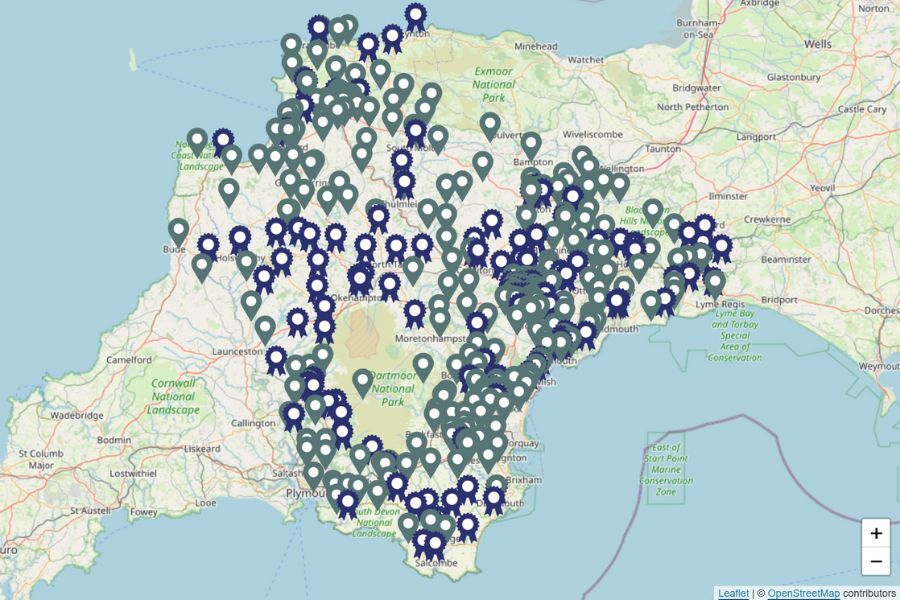
We’re pleased that over 140 schools and settings have already signed up to be part of this journey, demonstrating a strong and growing commitment across Devon to inclusive values and practices. All remaining school leaders have been contacted and encouraged to sign up.
The strategy, which complements the Devon Local Area SEND Strategy 2024 to 2027, is built around the vision of creating Inclusive Learning Communities where every learner feels they belong. It promotes key principles such as ensuring inclusive practice is the norm in all classrooms, supporting emotional wellbeing and positive relationships, and recognising that inclusion extends beyond the school gates.
Feedback from schools has been overwhelmingly positive. Many have welcomed the strategy as timely and empowering, especially in light of the new Ofsted framework, which now places inclusive provision at the heart of school effectiveness. Schools are particularly enthusiastic about the practical support being offered, including leadership development, professional training, and access to peer networks. We’re excited to see how this shared commitment to inclusion will continue to grow and evolve.

Young Devon is proud to announce a partnership of organisations to deliver a bold new initiative supporting the mental health and emotional wellbeing of young people across Devon, Plymouth, and Torbay. Backed by funding from NHS Devon, this ambitious new service launched this month, providing free, early-access support to children and young people each year, giving them the tools to improve their mental health.
The programme is a collaboration between Young Devon, Kooth, Space Youth Services, Encompass South West, and Plymouth City Council Youth Service.
 Image courtesy of CFHD
Children and Family Health Devon (CFHD) has launched a new occupational therapy advice line to support children and young people to develop the everyday skills they need to grow in confidence and independence.
This free service is open to anyone, including parents, carers, teachers, social workers and the young people themselves, and is designed to offer expert advice and guidance in a simple, accessible way. No referral is needed, and no personal details are taken.
When you call, you’ll speak directly with a children’s occupational therapist who understands how to help children build independence in daily activities like dressing, toileting, and using cutlery.
They can offer practical tips, creative strategies, and guidance on how to support your child’s next steps. They can also point you toward further support, either within CFHD or through other helpful services.
|