Thursday 30 June 2022
 Free professional advice to help you work for yourself offering care and support to older or disabled people
We're working with a national social enterprise called Community Catalysts to support the development of community micro-enterprises (under eight staff or volunteers) and self-employed Personal Assistants (PAs) who offer care to older and disabled people.
This work will take place over the next two years and will initially focus on the area covering Teignmouth, Dawlish, Starcross, Exminster, southern Exeter, across to Pathfinder village and as far as Tedburn St Mary.
The local representative for this project, Alex, can provide free coaching and mentoring to support people through the process of becoming a PA or starting a micro-enterprise. Alex can also work with people who are already established and may want help to expand or diversify the support they offer.
Experience in care is valuable, but not essential – what you need is a passion to make a difference in people’s lives.
There are free online events on Monday 11 July 12:00 – 13:00 or 18:30 – 19:30. You can reserve your spot via the Eventbrite website.
Or if you can't make the event, leave your details via the Community Catalysts website and Alex will be in touch
Any questions? Contact Alex:
email: alex.woolaway@communitycatalysts.co.uk
phone: 07741 260 674
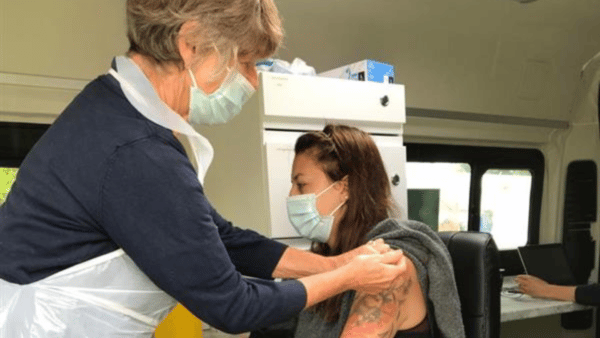 Pop-up vaccination service at the Devon County Show
The Devon County Show is now underway, and in addition to our own stand, for the next three days we will also be with Royal Devon Healthcare with an outreach vaccination unit on site, available for anyone eligible for a COVID-19 vaccination.
With coronavirus case numbers climbing, people who are currently eligible for their vaccination are being encouraged to visit while at the show.
Vaccinations are available to any eligible person over the age of 5, including anyone not registered with a GP practice.
The van, which is located in Road B, Stand 103, is there each day, 9.00am to 4:30pm. No need to book. Just come along.
People with tickets to the show are also reminded not to attend if they are feeling unwell or have symptoms of COVID-19.
 Review makes recommendations to improve ambulance times
Our health and social care watchdog made seven recommendations this week to help reduce ambulance response and patient ‘handover’ times at acute hospitals.
NHS figures show that over the winter South Western Ambulance Service NHS Trust (SWAST) had slower average response times and longer wait times at acute hospitals than the national average.
The recommendations follow a Spotlight Review at which leaders in the Integrated Care System, which includes us, the NHS Devon Clinical Commissioning Group and SWAST, were invited to share their knowledge and expertise.
The Spotlight Review concluded that an urgent ‘systemwide’ commitment to improve average response times was needed, and that all of Devon’s acute hospitals should adopt the Rapid Patient Assessment and Triage model used by the Royal Devon & Exeter Hospital.
Another recommendation suggested a new campaign to inform people how and where to access urgent and non-urgent medical support and mental health support was needed.
The report also highlights the importance of Minor Injury Units (MIU) and recommends that MIUs with regular service hours and minimum standards should be available across Devon.
Read the full story on the news page of our website.
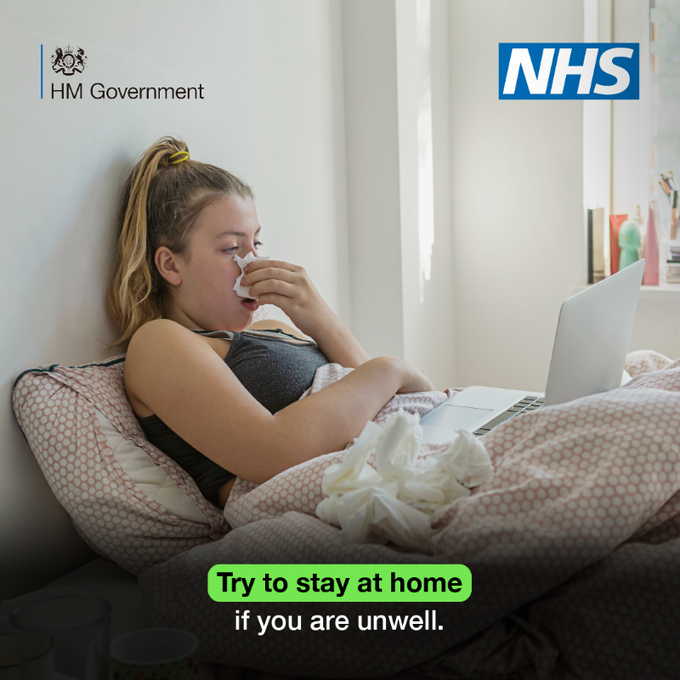 Director of Public Health Devon asks people to stay home if they’re feeling unwell, as COVID-19 cases rise
Office for National Statistics (ONS) data suggest that around 1.7 million people in the UK were estimated to have COVID-19 in the week ending 18 June, an increase of 23 per cent in one week.
In Devon, there's a continuing rise in the number of people in hospital with coronavirus, and a rise in positive cases overall with around one in every 45 people here currently having coronavirus. However, with fewer people testing, the actual numbers of people with the virus is likely to be higher than is reported.
Steve Brown, Director of Public Health Devon says:
“Coronavirus will remain with us in our communities. It has not gone away, as the rising case data demonstrates.
“The national advice has not changed. If you have symptoms of a respiratory infection, such as COVID-19, and you have a high temperature or do not feel well, try to stay at home and avoid contact with others.
“Face coverings are no longer mandatory in health settings, such as GP surgeries or hospitals, but there are situations where I would ask people to consider wearing them. For example when visiting the GP or hospital, where you are more likely to be in contact with vulnerable people.
“Keep up with your vaccinations. The government’s Spring booster vaccinations are still available for the moment, and there will be clinics available over the summer. An Autumn booster for vulnerable groups will also become available.
“Testing is no longer expected for most people – although it is required for people who are clinically vulnerable in order to access other treatments. However, if people still have any tests, I would suggest that they could use them ahead of situations where they know they’ll be in close contact with vulnerable people.
“And simple hand hygiene is also still important, not just to protect from coronavirus, but also for fighting other infectious illnesses. It’s a simple precaution, but still effective.”
Read the full story on the news page of our website.
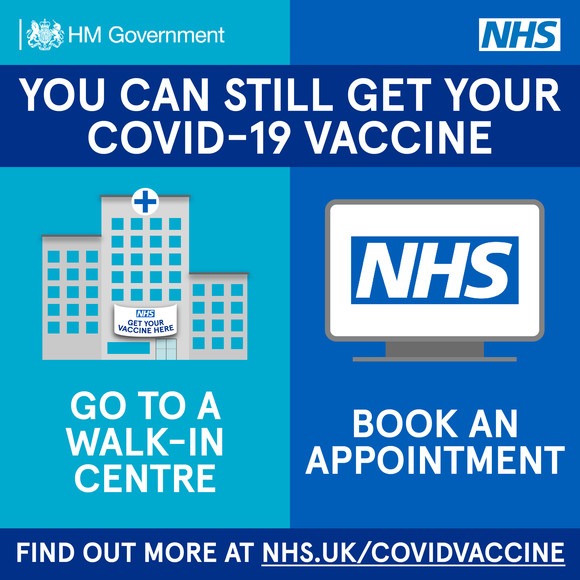 How to get your COVID-19 vaccination this summer
The COVID-19 spring booster programme draws to a close this month, but it’s not too late for people who are eligible to have their vaccination as clinics will still run over the summer.
People turning 75 on or after Friday 1 July will not be eligible for the spring booster, however anyone who is eligible today (Thursday 30 June) will still be able to have their vaccination during July.
This means that anyone who is 75 and over, immunosuppressed or a resident of a care home for older people on Thursday 30 June will still be able to have their spring booster vaccination. People who are immunosuppressed include those who are undergoing chemotherapy, have leukaemia or have had an organ transplant. Patients in this group are being urged to come forward and can check with their GP or consultant if they are unsure whether they are eligible.
Meanwhile first, second and first booster doses are still available this summer for anyone who has not yet had them. This includes people arriving in Devon from Ukraine, who can attend a walk-in centre. They do not need documentation nor an NHS number to have a vaccination.
Children aged 5 years old and over are eligible for two doses, which are not being provided in school, but through dedicated vaccination clinics around Devon.
Vaccination appointments can be made online or by calling 119 and details of walk in clinics are available on the NHS website.
A further booster is planned this autumn, in line with Joint Committee on Vaccination and Immunisation (JCVI) advice.
|