Phone fraud, ticket scams and engaging with the public - a snapshot of preventing crime this summer
Welcome to your latest fraud prevention update newsletter.
This month we're throwing the spotlight firmly back on phone fraud - or courier fraud to give it another name - after some further worrying incidents.
This is a particularly nasty type of fraud as the people targeted are often older or more vulnerable. So a big part of what we do involves warning people about this to stop it happening in the first place. Please take note of our advice and pass it onto friends and family if you can.
We're also covering ticket fraud this month and aiming to show you a tiny bit of the engagement work underway to prevent offences.
As always, please pass on all our advice to those not receiving this newsletter. Or, better still, get them to sign up. The ways to do so are at the foot of this edition.
Phone fraudsters are still targeting vulnerable people in Cumbria
Alert your friends and family to how to protect themselves
Our officers are urging people to remain vigilant and help protect vulnerable members of the community from fraudsters who are targeting victims over the phone.
This follows several reports in recent weeks, including one victim who lost £50,000.
We are encouraging people to talk to older relatives, friends and neighbours about what is known as courier fraud - because a simple conversation could help prevent someone from becoming a victim.
Residents are also asked to look out for anyone who may be more vulnerable and less likely to see fraud prevention advice such as this.
 What is courier fraud?
Courier fraud is a manipulative crime that relies on deception and often targets older or vulnerable people.
Fraudsters may pose as police officers, bank employees or representatives of other trusted organisations, using convincing stories and personal information to gain a victim's trust.
Criminals often pose as police officers, bank employees or other professionals. Recently fraudsters have been falsely claiming to be from the Financial Conduct Authority.
They may ask seemingly harmless questions to gather personal or financial information before persuading victims to transfer money, withdraw cash or share sensitive details.
Fraudsters frequently create a sense of urgency, claiming that an account has been compromised or that money must be moved immediately to keep it safe.
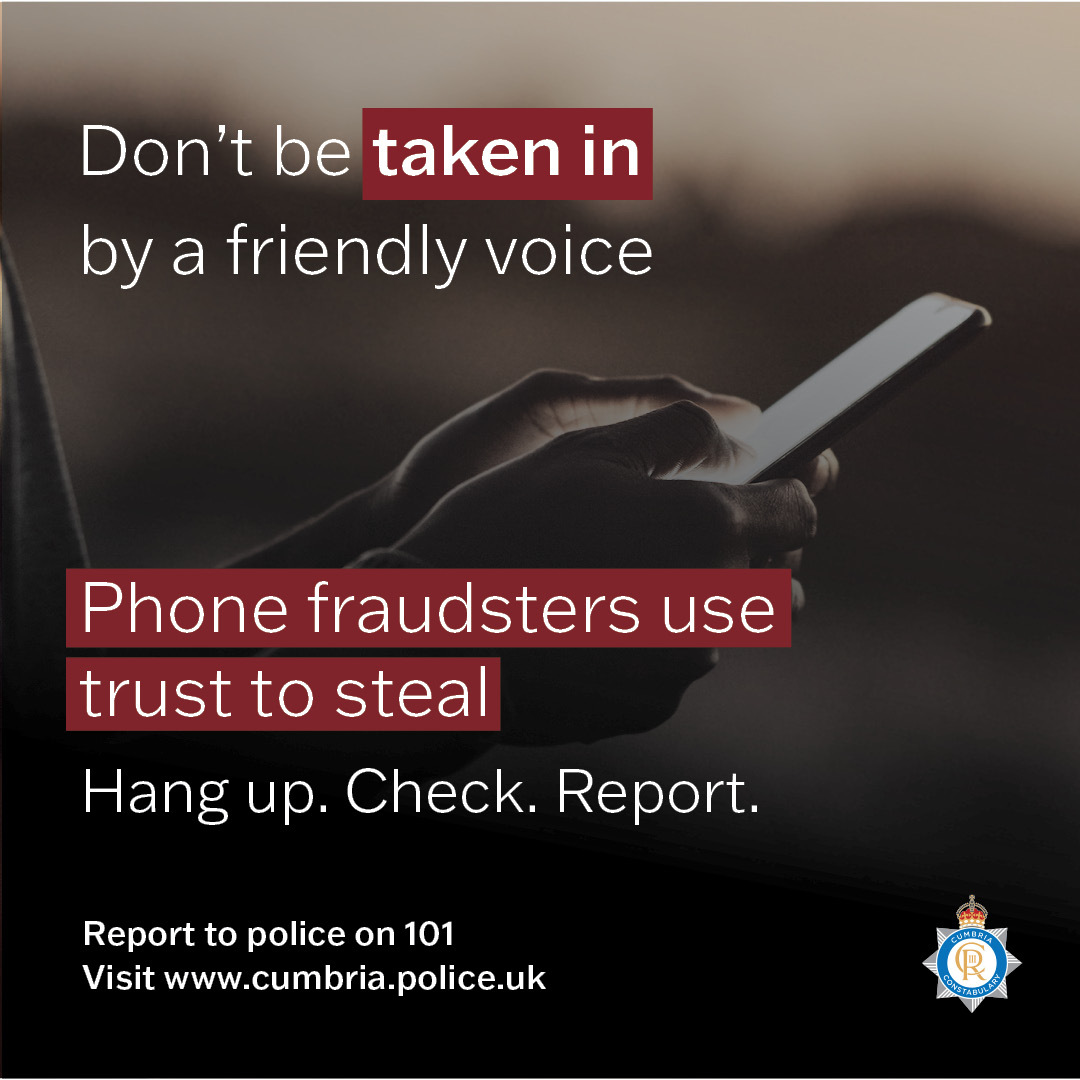 In some cases, victims are instructed to withdraw large sums of cash, purchase high-value items or gift cards, or move money into a so-called "safe account".
They may then be told to hand over cash, bank cards or valuables to a courier sent to collect them.
Criminals are skilled at gaining a victim's trust and often claim they have already been the victim of a crime or that their bank account is at risk.
In some cases, they can be so persuasive that victims struggle to believe genuine police officers or bank staff when they try to intervene.
What you should know
It is important to remember that neither the police nor your bank will ever contact you and ask you to withdraw money, transfer funds to another account, move money to a "safe account", purchase gift cards or other items, reveal your PIN or security codes or hand cash and valuables to someone for collection.
If anyone makes a request like this, it is a scam.
The cost of these crimes
While the financial losses can be devastating, the impact often extends far beyond money.
Victims are frequently left feeling distressed, anxious and less trusting of others, particularly when criminals have deliberately exploited their confidence and trust.
Police across the county continue to work closely with communities and partner organisations to raise awareness of courier fraud and help prevent more people from becoming victims.
What can you do if you are targeted?
Anyone who receives a suspicious call claiming to be from the police or their bank should end the call immediately, wait several minutes before using the phone again, or use a different phone line and contact the organisation directly using a trusted number.
Anyone who receives an unexpected call requesting personal information, money or urgent action should be cautious.
If in doubt, hang up and contact your bank using a trusted number. If you do not have your bank's number, call 159 and you will be connected directly to your bank.
You can also dial 101 (non-emergencies) or 999 (in an emergency) from an alternative number.
If someone claims to be from the police, we can help confirm whether the caller is a genuine police officer and provide advice.
To report fraud visit online visit https://www.reportfraud.police.uk/ or call police on 101.
Working together to tackle fraud
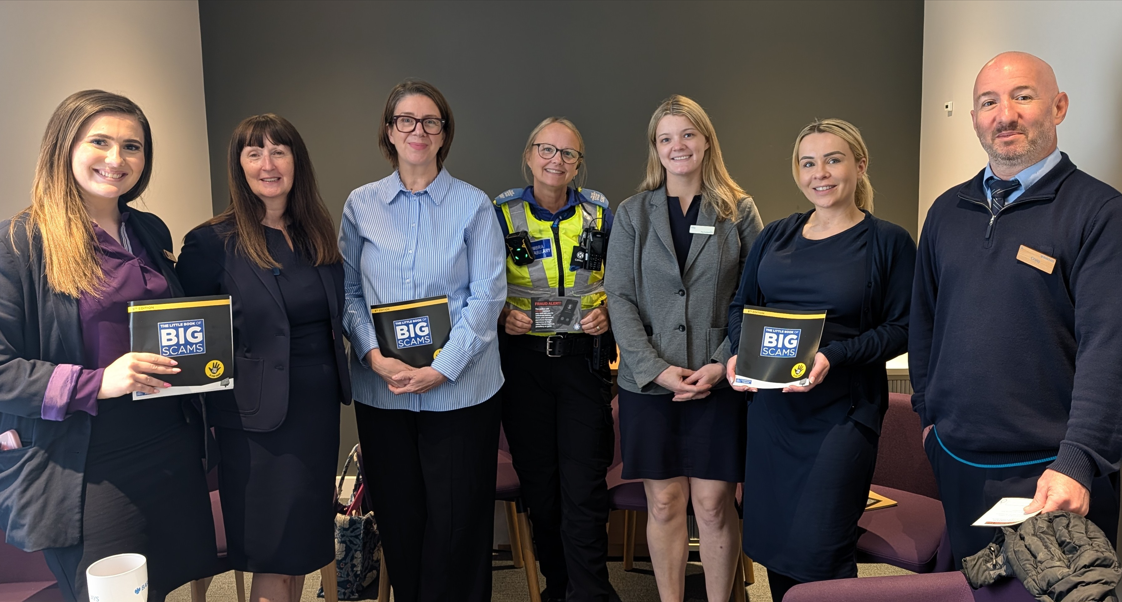 PCSO Hayley Newman working with others to tackle fraud
Our officers continue to get out-and-about, passing on tips to people about steering clear of fraud.
Neighbourhood police officers in Cumbria have been given extra training to help them protect the public from one of the fastest-rising crime threats.
PCSO Hayley Newman, one of these trained officers, took part in a Fraud and Scams Awareness event earlier this summer in Kendal, organised by Barclays.
Fran Henderson, one of our specialists in preventing fraud, attended a similar event at Barclays, Carlisle.
The events generated strong interest from customers and the local community and highlighted the value of working together to tackle fraud and scams.
Just the ticket! Our advice will help you stay safe when booking events
 Summer may be in its final throws - but outdoor sporting and cultural events are still taking place and the football season is firmly back upon us.
As such, many people are still aiming to land tickets to in-demand dates. This means they could become a victim to the fraudsters who exploit this demand.
Our experts have pulled together the following guide to thwarting the fraudsters and making sure your money is spent on the real deal when it comes to tickets:.
Hints and tips
What to do if you’ve been a victim of ticket fraud.
- If you’ve lost money to a scammer, call your bank immediately using the number on the back of your card, or by dialling 159. Monitor your bank statements closely moving forward for any unusual activity.
- Report the incident to Report Fraud 0300 123 2040.
- If you purchased the tickets through a ticketing platform, you should also contact the website to cancel the purchase and request a refund.
- Consider what personal or financial information you have shared. Online fraudsters often don’t want you to hand over money straight away. Instead, they want you to provide your personal or financial information. If they have access to these details, they’ll be able to use your identity fraudulently or can use your financial information to get access to your money via your bank or building society account. Ensure your bank/building society is aware.
- If you suspect your identity may have been stolen, you can check your credit file quickly and easily online using a reputable service provider such as TransUnion or Experian and follow up on any suspicious results.
What to do if you have been the victim of fraud
The first thing you should do if you’ve been a victim of fraud is to contact Report Fraud. You can report a fraud via their online fraud reporting tool, or by calling them on 0300 123 2040.
Online Reporting Tool
If there is a crime being committed right now or if you are in danger you should call the police on 999.
If debit or credit cards, online banking or cheques are involved, your first step should be to contact your bank or credit card company.
If you have any friends or family who you feel would benefit from receiving this newsletter, please direct them to our website where they can sign up.
|